
Cart
No products in the cart.
 English
 Български (Bulgarian)
 Hrvatski (Croatian)
 Čeština (Czech)
 Dansk (Danish)
 Nederlands (Dutch)
 Suomi (Finnish)
 Français (French)
 Deutsch (German)
 Ελληνικά (Greek)
 Magyar (Hungarian)
 Italiano (Italian)
 Norsk bokmål (Norwegian Bokmål)
 Polski (Polish)
 Português (Portuguese (Portugal))
 Română (Romanian)
 Русский (Russian)
 Español (Spanish)
 Svenska (Swedish)
 Türkçe (Turkish)
Showing 1–16 of 34 resultsSorted by popularity
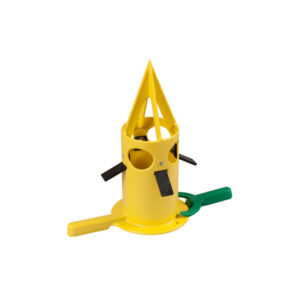
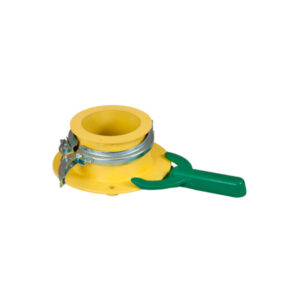
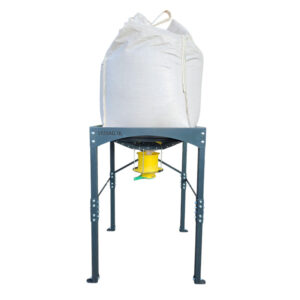
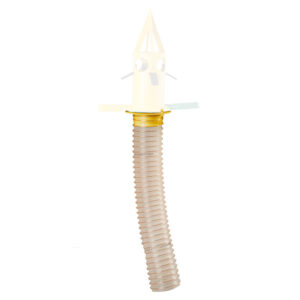
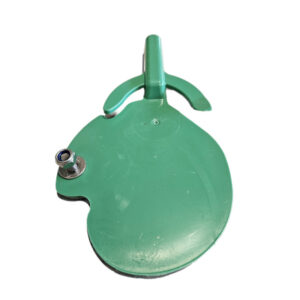
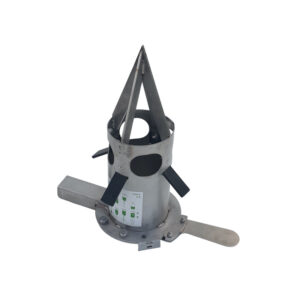
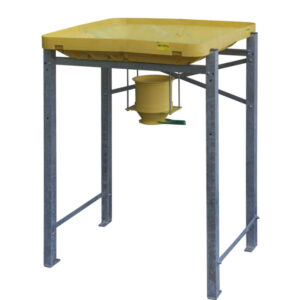
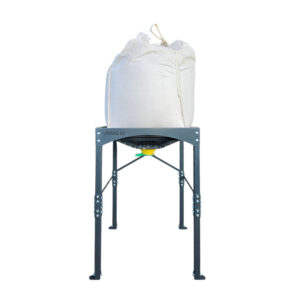
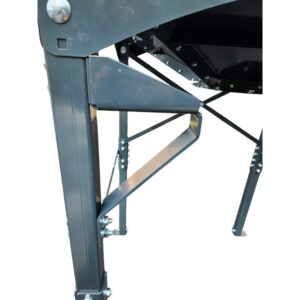
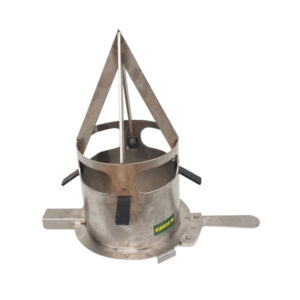
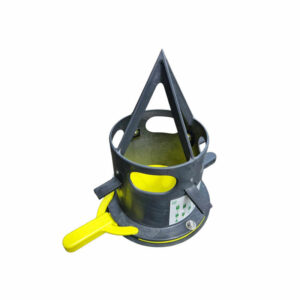
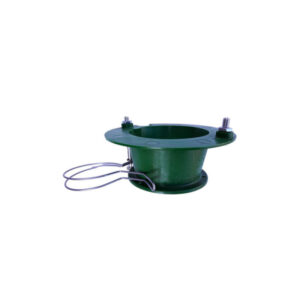
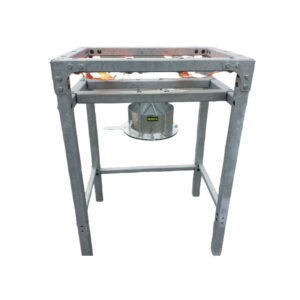
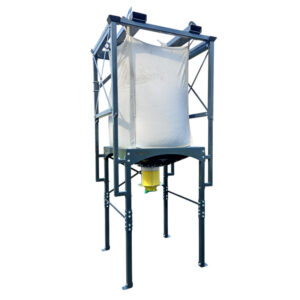
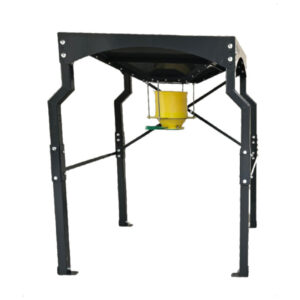
Crop management refers to industrial-grade tools and equipment designed to monitor, protect, and handle harvested crop materials. It includes machinery and devices essential for handling bulk materials, storing produce, analyzing moisture levels, and processing silage. Common items include bulk material handling equipment, moisture measurement instruments, silage processing systems, and storage and discharge machinery.
This category features heavy-duty solutions such as big bag dischargers, which unload large bags of seeds, fertilisers or harvested material. Transport and storage boxes made for industrial environments are also included, offering secure containment for bulk or intermediate goods. Moisture meters provide precise readings to assess water content in grains or forage. Silage equipment is present, facilitating feed preparation and preservation. Each product is engineered for rugged agricultural conditions and continuous operational demands.
The equipment here is used in post-harvest operations, feedlot management, grain storage facilities, and farms with large-scale crop output. Big bag dischargers are employed where bulk materials must be emptied safely into mixers or conveyors. Transport and storage boxes are used for moving and storing raw or processed crops. Moisture meters are critical in quality control to prevent spoilage in grains, forage, or harvested crops. Silage equipment supports fermentation control and forage preservation in livestock feeding operations. Common applications include bulk material handling and quality control.
Crop management products consist of mechanical discharge frames, containers, measuring instruments and processing machines. Key technical characteristics include load capacity (e.g., tonnage of a big bag), material compatibility (powders, grains, forage), precision of moisture measurement (usually given in percentage with ± tolerance), and durability of storage or transport containers. Variations include dischargers with funnels or skewers for different material flow, stainless steel dosage units for corrosive or food-grade materials, and different sizes or opening designs for transport boxes. Silage equipment often requires controlled airflow or sealing systems. Standards and compliance considerations may involve material certifications, finish grades (e.g., food-grade stainless steel), safety ratings for load-bearing frames, and calibration accuracy for measurement tools. Selection considerations include climate and humidity exposure, material abrasiveness, ease of cleaning, operational throughput, and compatibility with existing infrastructure such as handling systems or mixers.
MEMIDOS is a global B2B platform connecting industrial buyers with manufacturers and suppliers directly. By purchasing without intermediaries, you access more efficient procurement and competitive pricing. Payments are secure and escrow-based, with funds held until order conditions such as shipment are met, giving protection for buyers and reliable payment assurance for suppliers. The platform offers access to high-quality industrial crop management equipment from verified suppliers, simplifying international procurement and improving transparency in sourcing.
English
Български (Bulgarian)
Hrvatski (Croatian)
Čeština (Czech)
Dansk (Danish)
Nederlands (Dutch)
Suomi (Finnish)
Français (French)
Deutsch (German)
Ελληνικά (Greek)
Magyar (Hungarian)
Italiano (Italian)
Norsk bokmål (Norwegian Bokmål)
Polski (Polish)
Português (Portuguese (Portugal))
Română (Romanian)
Русский (Russian)
Español (Spanish)
Svenska (Swedish)
Türkçe (Turkish)