
Cart
No products in the cart.
 English
 Български (Bulgarian)
 Hrvatski (Croatian)
 Čeština (Czech)
 Dansk (Danish)
 Nederlands (Dutch)
 Suomi (Finnish)
 Français (French)
 Deutsch (German)
 Ελληνικά (Greek)
 Magyar (Hungarian)
 Italiano (Italian)
 Norsk bokmål (Norwegian Bokmål)
 Polski (Polish)
 Português (Portuguese (Portugal))
 Română (Romanian)
 Русский (Russian)
 Español (Spanish)
 Svenska (Swedish)
 Türkçe (Turkish)
Showing 1–16 of 50 resultsSorted by popularity
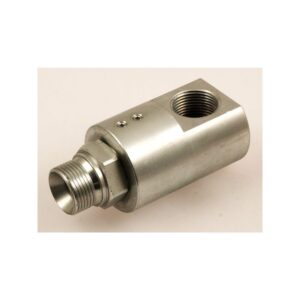
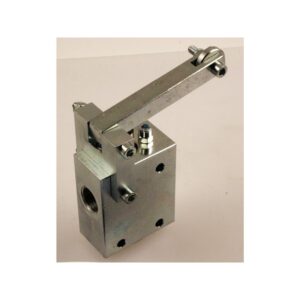
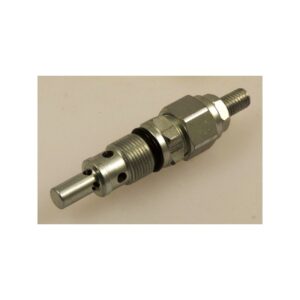
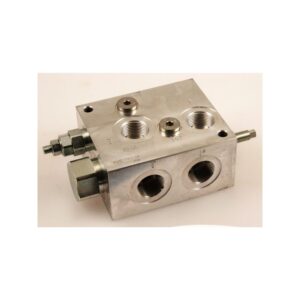
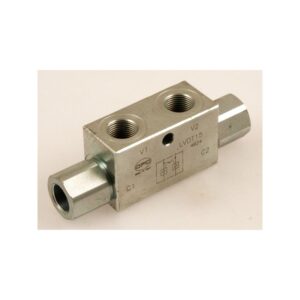
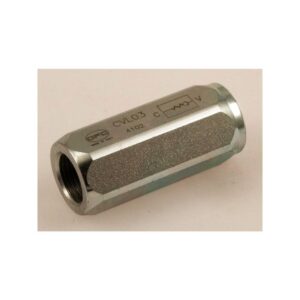
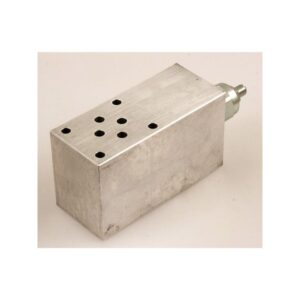
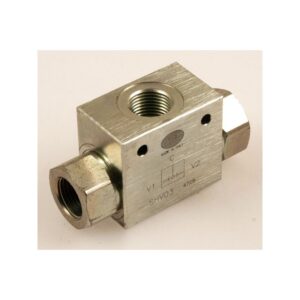
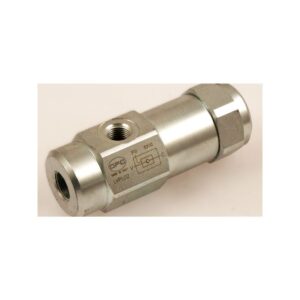
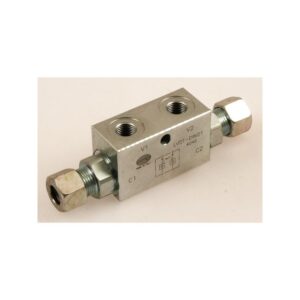
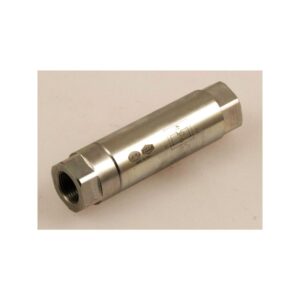
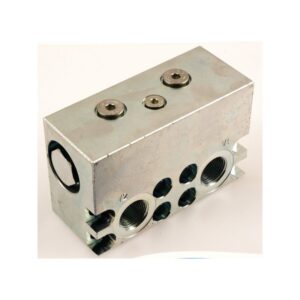
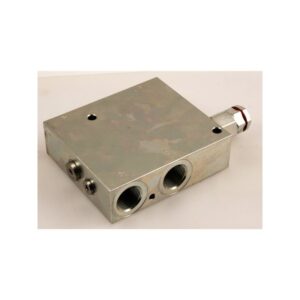
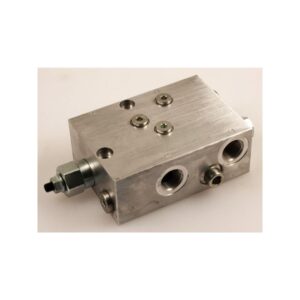
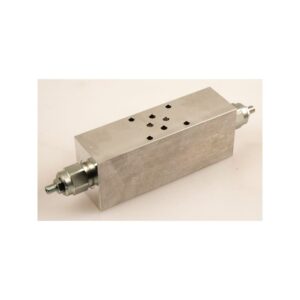
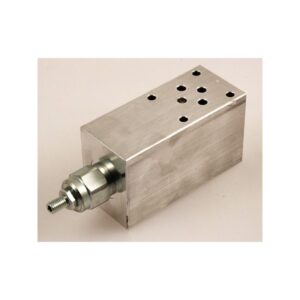
Hydraulic valves are components used to direct, control, and regulate fluid flow in industrial systems. This category includes check valves, non-return valves, pressure reducing valves, relief valves, over-center valves, flow divider/combiner valves, and 3-way valves. Industrial engineers, system designers, and procurement specialists often search for hydraulic valves with reliable pressure ratings, port standards, flow capacity, and durable materials for high-performance machinery.
On this page, you can locate a range of valve types including check valves and non-return valves, which allow fluid flow in one direction while preventing backflow. There are pressure reducing valves to maintain downstream pressure, relief valves designed to protect systems against overpressure, over-center valves for dynamic load holding, and flow divider/combiner valves that split or join flows evenly. Three-way valves are also present, enabling flow diversion among three ports. These products vary by design such as cartridge, sandwich, or manifold-mount types, and cover diverse pressure ranges and flow rates.
Hydraulic valves in these types are applied in mobile equipment, heavy machinery, and in systems requiring precise fluid control, such as agricultural, construction, and material handling industries. Check and non-return valves are essential in circuits where reverse flow must be prevented. Pressure reducing and relief valves protect components in high-pressure hydraulic systems. Over-center and 3-way valves are used in control of actuators and load-holding circuits, while flow divider/combiner valves are critical when synchronizing movement in multi-cylinder systems. Typical functions in these systems include pressure regulation, load holding, and flow control.
Hydraulic valves regulate the direction, pressure, and flow of hydraulic fluid in industrial systems. Key technical characteristics include maximum operating pressure (often rated between tens to several hundred bar), flow capacity measured in liters per minute (LPM), port size and thread specification (e.g. BSP), and manifold compatibility. Materials like steel, aluminium, and zinc-plated components affect strength, corrosion resistance, and assembly weight. Relief or cartridge valves include precise spring settings; over-center valves include special internal geometry to control creep or reverse motion. Standards such as CETOP/NG sizes represent common mounting and interchange criteria. Selection considerations include fluid type and cleanliness, system temperature, cycle frequency, compatibility with seals, leakage tolerances, rated life, and environmental exposure. Functional variations often include direction control, pressure control, flow division, and safety relief functions. Certification or compliance may involve ISO pressure-rating standards, materials traceability, and compatibility with specific hydraulic circuit designs.
MEMIDOS operates as a global B2B platform for industrial products, enabling buyers to procure hydraulic valves directly from manufacturers and suppliers without middlemen. This direct access supports efficient procurement and more competitive pricing. Payments are handled securely through an escrow system, where funds are held until order conditions—such as shipment—are met, ensuring protection for buyers and reliability for suppliers. Verified suppliers offer hydraulic valves that meet industrial quality expectations. The platform simplifies international sourcing by providing transparency in specifications and supplier information, assisting procurement professionals to make confident, well-informed decisions.
English
Български (Bulgarian)
Hrvatski (Croatian)
Čeština (Czech)
Dansk (Danish)
Nederlands (Dutch)
Suomi (Finnish)
Français (French)
Deutsch (German)
Ελληνικά (Greek)
Magyar (Hungarian)
Italiano (Italian)
Norsk bokmål (Norwegian Bokmål)
Polski (Polish)
Português (Portuguese (Portugal))
Română (Romanian)
Русский (Russian)
Español (Spanish)
Svenska (Swedish)
Türkçe (Turkish)