
Cart
No products in the cart.
 English
 Български (Bulgarian)
 Hrvatski (Croatian)
 Čeština (Czech)
 Dansk (Danish)
 Nederlands (Dutch)
 Suomi (Finnish)
 Français (French)
 Deutsch (German)
 Ελληνικά (Greek)
 Magyar (Hungarian)
 Italiano (Italian)
 Norsk bokmål (Norwegian Bokmål)
 Polski (Polish)
 Português (Portuguese (Portugal))
 Română (Romanian)
 Русский (Russian)
 Español (Spanish)
 Svenska (Swedish)
 Türkçe (Turkish)
Showing all 7 resultsSorted by popularity
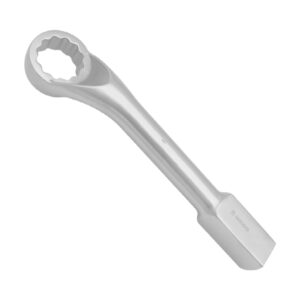
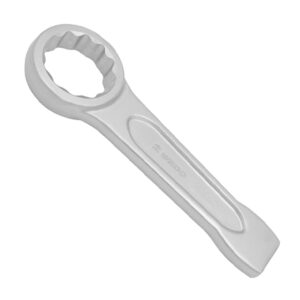
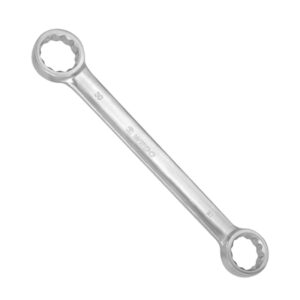
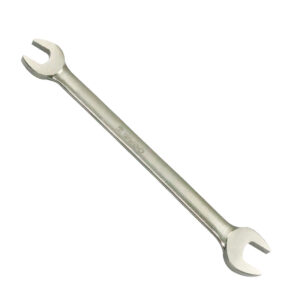
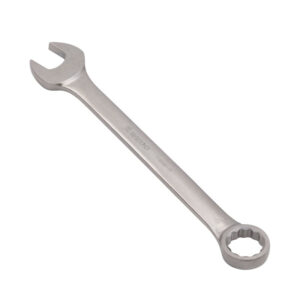
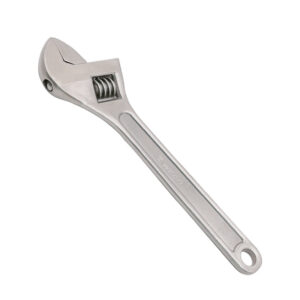
Wrenches - Titanium (Metric) are hand tools manufactured from titanium and sized in metric units. They are non-magnetic and suited for environments where corrosion resistance, weight reduction, and non-ferrous properties are required. Industrial professionals seeking durable wrenches, titanium fastener tools, and metric-driven wrench solutions will use this category in sectors like aerospace, clean rooms, and electronics.
This category includes a variety of titanium wrenches in metric sizing: striking box wrenches with ring ends; double-end box wrenches, both flat ring and offset ring types; double open-end wrenches; combination wrenches; adjustable spanners (English / Swedish type); and hex keys / Allen wrenches. Sizes typically span small fasteners (6–7 mm) through larger applications (30+ mm), and designs vary in ring shape, offset, and adjustability to suit different access situations.
These titanium metric wrenches are used where non-corroding and non-magnetic tools are needed, for example in marine, medical, or clean-room environments. They serve in maintenance, assembly, quality control, and instrumentation work where precise torque and material compatibility matter. Secondary uses include electrical systems where magnetic interference must be minimized, and food processing settings requiring corrosion resistance. Professionals Replace steel tools with titanium to avoid chemical contamination or performance loss.
Titanium metric wrenches are tools shaped to grip nuts, bolts, or fasteners in millimetre measurements. Their primary function is to apply torque without damaging the fastener faces. Key technical characteristics include titanium alloys' tensile strength, hardness (often expressed in Rockwell scale), and corrosion resistance. Metric dimensions define jaw size or ring diameter matching specific fastener standards—e.g. 6 mm, 8×10 mm, 30 ×32 mm—and determine wrench span or ring inside measurements. Variations include box ring wrenches, flat or offset ring ends; double-end vs open-end; adjustable spanner types for irregular size adaptability; and fixed hex key Allen wrenches for internal fasteners. Compliance considerations often involve international standards like DIN, ASME, or similar metric norms to ensure interchangeability and safety. Important selection factors include environmental exposure (chemical, saline, moisture), required torque ratings, clearance or access constraints (depth, offset), fatigue life (cycling load), and material compatibility to avoid galvanic corrosion or seizing.
MEMIDOS offers a global B2B platform specializing in industrial tools and parts. Procurement professionals benefit from direct access to manufacturers and verified suppliers, removing intermediaries for more efficient sourcing. Payment protection through escrow ensures funds are held until order conditions like shipment are met, safeguarding both buyers and suppliers. The platform supports access to reliable industrial-grade titanium wrenches in metric sizing from vetted sources worldwide, simplifying international supply chains and increasing transparency in material specifications and tool quality.
English
Български (Bulgarian)
Hrvatski (Croatian)
Čeština (Czech)
Dansk (Danish)
Nederlands (Dutch)
Suomi (Finnish)
Français (French)
Deutsch (German)
Ελληνικά (Greek)
Magyar (Hungarian)
Italiano (Italian)
Norsk bokmål (Norwegian Bokmål)
Polski (Polish)
Português (Portuguese (Portugal))
Română (Romanian)
Русский (Russian)
Español (Spanish)
Svenska (Swedish)
Türkçe (Turkish)