
Cart
No products in the cart.
 English
 Български (Bulgarian)
 Hrvatski (Croatian)
 Čeština (Czech)
 Dansk (Danish)
 Nederlands (Dutch)
 Suomi (Finnish)
 Français (French)
 Deutsch (German)
 Ελληνικά (Greek)
 Magyar (Hungarian)
 Italiano (Italian)
 Norsk bokmål (Norwegian Bokmål)
 Polski (Polish)
 Português (Portuguese (Portugal))
 Română (Romanian)
 Русский (Russian)
 Español (Spanish)
 Svenska (Swedish)
 Türkçe (Turkish)
Showing all 16 resultsSorted by popularity
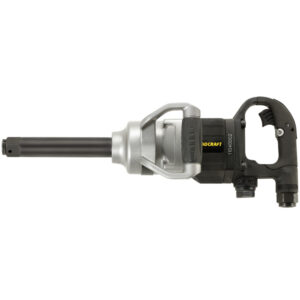
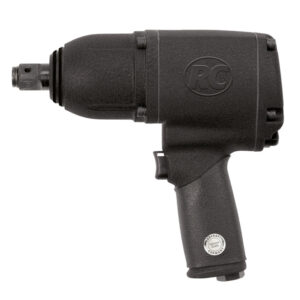
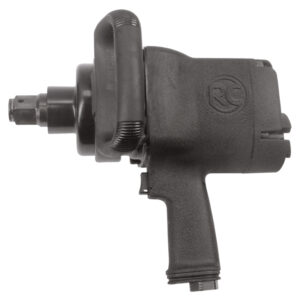
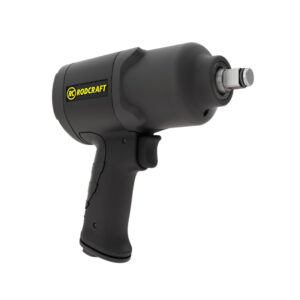
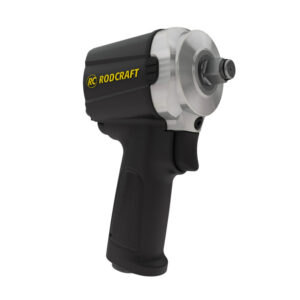
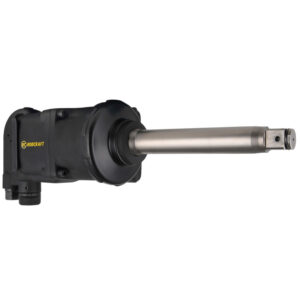
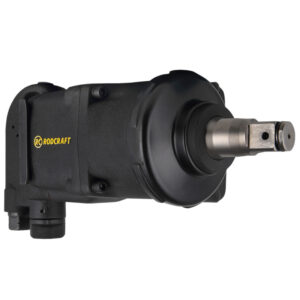
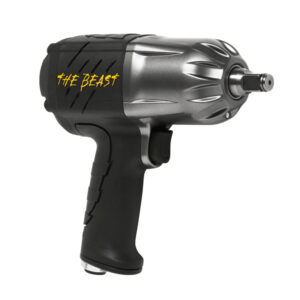
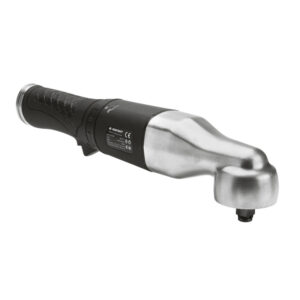
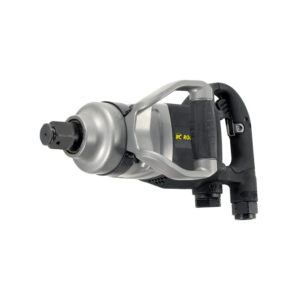
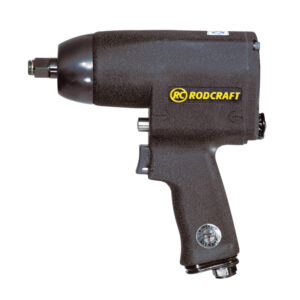
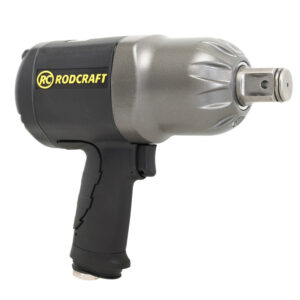
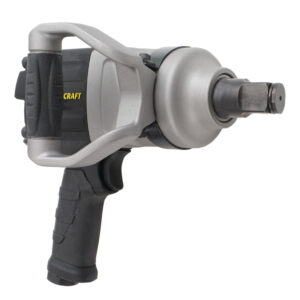
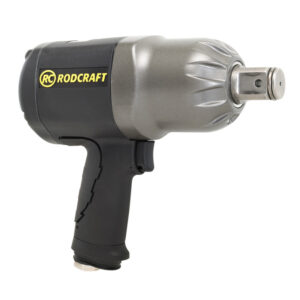
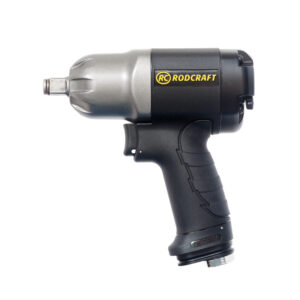
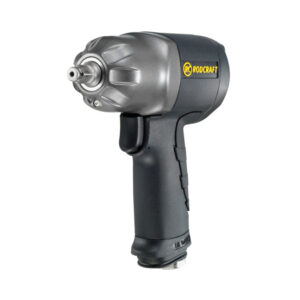
Impact wrenches (air / pneumatic) are industrial tools powered by compressed air, engineered to deliver high torque output for fastening and loosening of bolts, nuts, and studs in demanding applications. These tools are designed for professional users requiring reliable performance, precision square drives, and consistent impact mechanisms. They are air-powered impact tools serving as pneumatic torque tools for high-torque industrial fastening applications.
This category includes impact wrenches with square drive outputs in various sizes such as 1/2-inch, 3/4-inch, and 1-inch. Several models feature different RPM ratings, spanning from around 3,200 RPM to 10,500 RPM. Product variations include long spindle versions, ergonomic pistols grips, multiple power regulation stages (e.g., 3-stage or 3+3 settings), and certain impact mechanisms like the DUOPACT design and closed hammer mechanisms. Products designed for forward/reverse shift control, as well as air consumption and weight specifications tied to air inlet and drive size, are also part of the range.
The tools in this group are used extensively in automotive, truck, and heavy-vehicle maintenance to fasten wheel nuts, engine components, or structural fittings under high torque. They also suit assembly lines where rapid fastening is required, or in tire service, as well as in demanding environs like construction sites. These tools are used as high-torque pneumatic fasteners and square drive air impact wrenches.
An impact wrench (air / pneumatic) converts pressurized air into torque via an internal hammering mechanism. Key technical characteristics include drive size (commonly 1/2-inch, 3/4-inch, 1-inch), maximum loosening torque (can range from ~800 Nm up to ~3,345 Nm), free speed (rpm, often several thousand rpm), and power stages/regulation for both forward and reverse operation. Other parameters include air inlet thread size (such as 1/4-inch or 1/2-inch BSP), minimum hose diameter for air supply, and air consumption rate.
Common variations are models with long spindle for extended reach in tight spaces, closed hammer mechanisms for durability under heavy load, and ergonomic housing materials like aluminium or cold-insulating composite to reduce operator fatigue. Standard compliance often includes CE marking and adherence to safety standards for pneumatic tools. Selection considerations should include ambient environment (temperature, humidity), required torque and speed, air compressor’s capacity and pressure (e.g., 6.3 bar), hose length and diameter, drive size compatibility with sockets, and the mechanism’s durability under load and frequency of use.
MEMIDOS operates as a global B2B platform specialized in industrial machinery and components, offering direct access to verified manufacturers and suppliers without intermediaries. Purchasers benefit from streamlined procurement where pricing and specifications remain transparent. A secure escrow-based payment system ensures funds are held until order conditions, such as shipment, are fulfilled, safeguarding both buyer interests and supplier reliability. The platform provides industrial buyers with reliable product quality and clarity in international sourcing operations.
English
Български (Bulgarian)
Hrvatski (Croatian)
Čeština (Czech)
Dansk (Danish)
Nederlands (Dutch)
Suomi (Finnish)
Français (French)
Deutsch (German)
Ελληνικά (Greek)
Magyar (Hungarian)
Italiano (Italian)
Norsk bokmål (Norwegian Bokmål)
Polski (Polish)
Português (Portuguese (Portugal))
Română (Romanian)
Русский (Russian)
Español (Spanish)
Svenska (Swedish)
Türkçe (Turkish)