
Cart
No products in the cart.
 English
 Български (Bulgarian)
 Hrvatski (Croatian)
 Čeština (Czech)
 Dansk (Danish)
 Nederlands (Dutch)
 Suomi (Finnish)
 Français (French)
 Deutsch (German)
 Ελληνικά (Greek)
 Magyar (Hungarian)
 Italiano (Italian)
 Norsk bokmål (Norwegian Bokmål)
 Polski (Polish)
 Português (Portuguese (Portugal))
 Română (Romanian)
 Русский (Russian)
 Español (Spanish)
 Svenska (Swedish)
 Türkçe (Turkish)
Showing all 16 resultsSorted by popularity
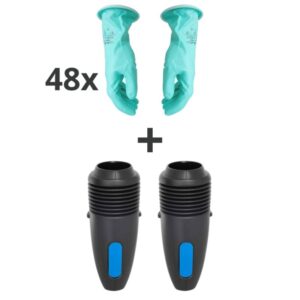
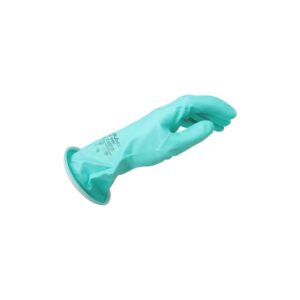
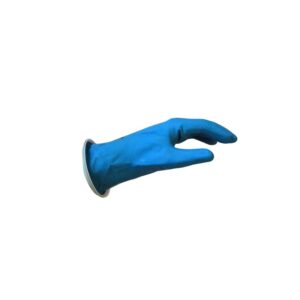
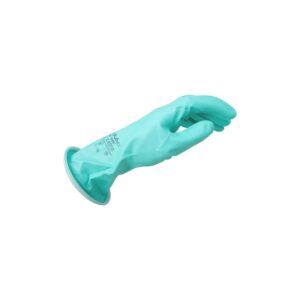
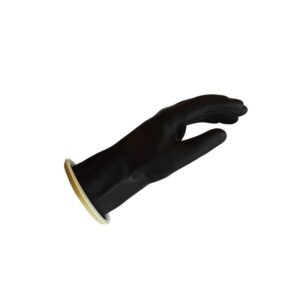
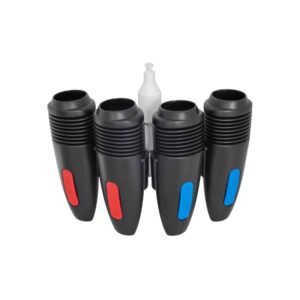

Protective gloves are specialised hand coverings designed to shield industrial workers’ hands from chemical exposure, contamination, physical hazards, and other work-related risks. This category includes gloves suited for wet environments, surface coating tasks, and tasks that require high tactile sensitivity and grip. Common product types include nitrile and latex gloves, drip-stop designs, and general-purpose working gloves.
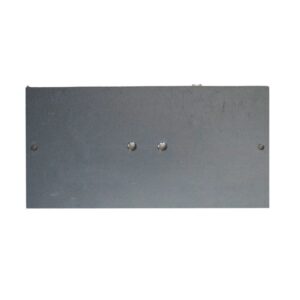
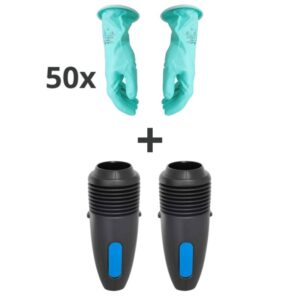
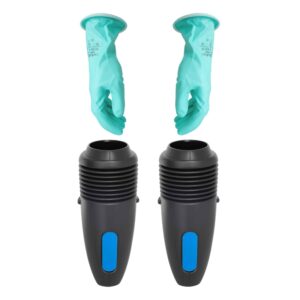
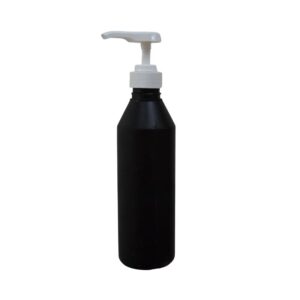
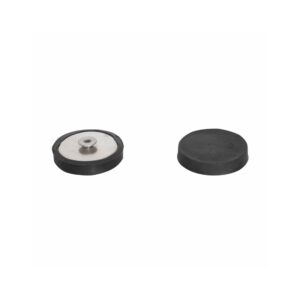
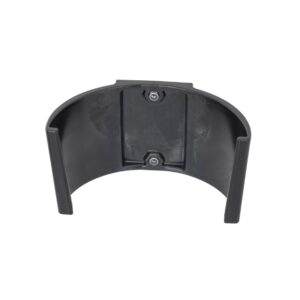
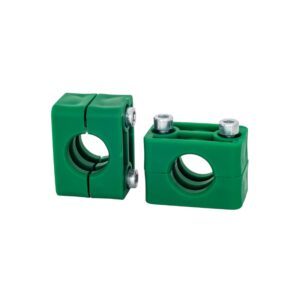
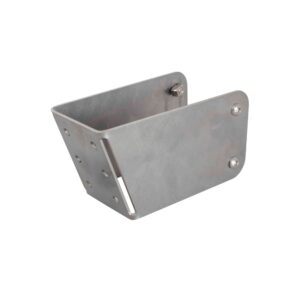
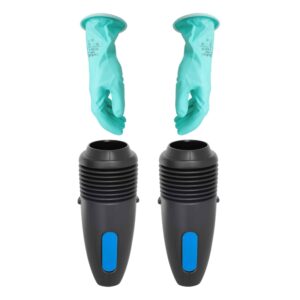
In this category, you will find gloves made of nitrile rubber and latex, both featuring thin wall thicknesses such as 0.3 mm and 0.4 mm, with thicker options like 0.8 mm also available. Variants include gloves with drip stop edges and designs compatible with glove holding or dispensing systems such as the Vacuumizer. Options are sold individually, in pairs, or in multi‐pair sets. Some products combine gloves with accessory hardware like magnets, mounting plates, fixture clips, or dispensers to support storage or deployment in industrial environments.
These gloves are used in industrial cleaning, chemical processing, petrochemical, metal fabrication, printing, surface coating, and manufacturing environments where hands are exposed to liquids or substances and require protection from contaminants or chemical splashes. Use cases include wet work and chemical-resistant gloves. The drip stop feature helps in tasks that involve working overhead or with elevating hands. Gloves with thicker wall elements are used where abrasion resistance and durability are key, while thinner gloves provide high tactile sensitivity for precise operations.
Protective gloves serve to protect against chemical, physical, and microbial hazards in industrial settings. Key technical characteristics include material type—latex or nitrile rubber—each with distinct chemical resistance profiles. Thickness parameters range from about 0.3 mm to 0.8 mm; thinner gloves (≈0.3-0.4 mm) offer more dexterity and sensitivity, whereas thicker ones (≈0.8 mm) deliver improved durability. Glove length and fit are measured via hand circumference and hand length; correct size ensures seal integrity and comfort. Functional additions such as drip stop edges prevent run-off when working with hands raised above shoulder level. Gloves may conform to standards like EN 388 for mechanical risks or EN 374 for chemical protection (as seen in latex gloves with drip stop). In selecting gloves, consider the chemical exposure (acids, solvents, oils), mechanical stress (abrasion, cutting), contact time, required dexterity, and whether storage or dispensing systems like Vacuumizers will be used. Environment factors such as temperature, humidity, and clean-room compatibility also inform choice. Variations include disposable thin gloves versus reusable thicker pairs, gloves alone versus glove plus system sets with hardware, and nitrile versus latex material properties including allergenic potential.
MEMIDOS operates as a global B2B platform connecting industrial buyers directly with verified manufacturers and suppliers. By eliminating intermediaries, MEMIDOS enables procurement professionals to source protective gloves more efficiently, often with more competitive pricing. All transactions use secure escrow-based payment handling, where funds are held until order conditions—such as confirmed shipment—are met, ensuring trust and transparency. Buyers access high-quality industrial gloves—tested for standards compliance—from across the world, simplifying international sourcing and improving visibility into specifications, variations, and performance.
English
Български (Bulgarian)
Hrvatski (Croatian)
Čeština (Czech)
Dansk (Danish)
Nederlands (Dutch)
Suomi (Finnish)
Français (French)
Deutsch (German)
Ελληνικά (Greek)
Magyar (Hungarian)
Italiano (Italian)
Norsk bokmål (Norwegian Bokmål)
Polski (Polish)
Português (Portuguese (Portugal))
Română (Romanian)
Русский (Russian)
Español (Spanish)
Svenska (Swedish)
Türkçe (Turkish)