
Cart
No products in the cart.
 English
 Български (Bulgarian)
 Hrvatski (Croatian)
 Čeština (Czech)
 Dansk (Danish)
 Nederlands (Dutch)
 Suomi (Finnish)
 Français (French)
 Deutsch (German)
 Ελληνικά (Greek)
 Magyar (Hungarian)
 Italiano (Italian)
 Norsk bokmål (Norwegian Bokmål)
 Polski (Polish)
 Português (Portuguese (Portugal))
 Română (Romanian)
 Русский (Russian)
 Español (Spanish)
 Svenska (Swedish)
 Türkçe (Turkish)
Showing 1–16 of 25 resultsSorted by popularity
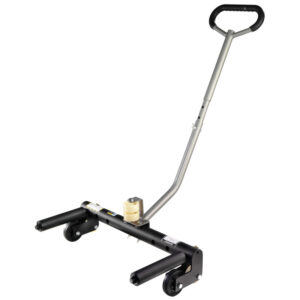
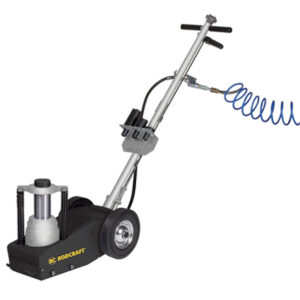
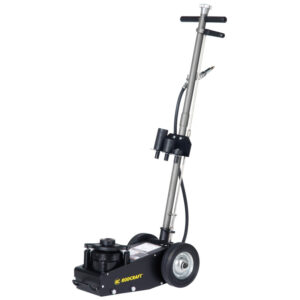
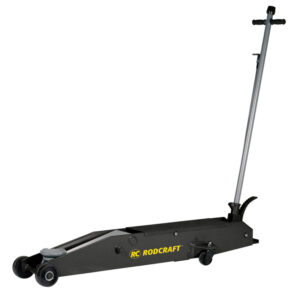
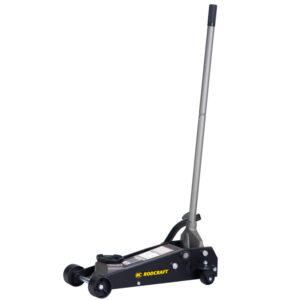
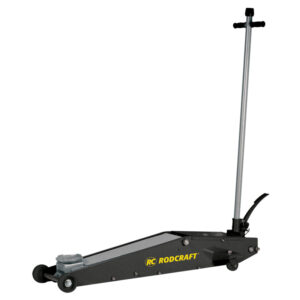
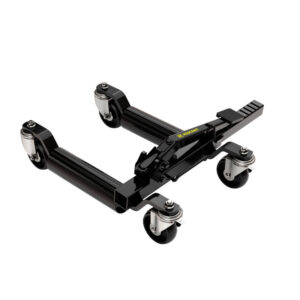
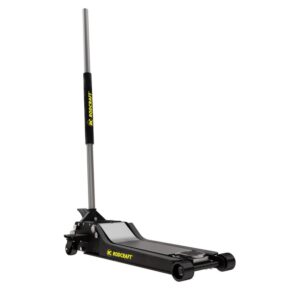
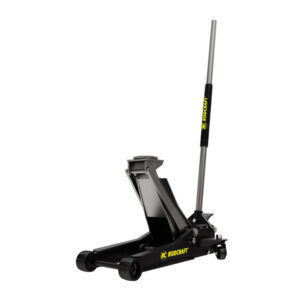
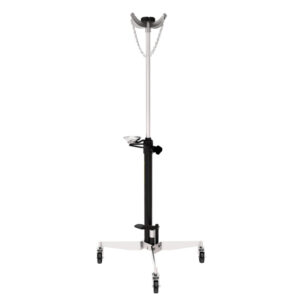
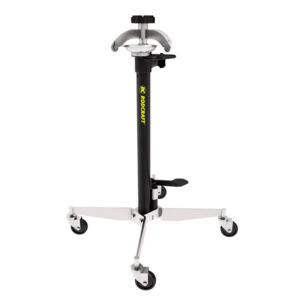
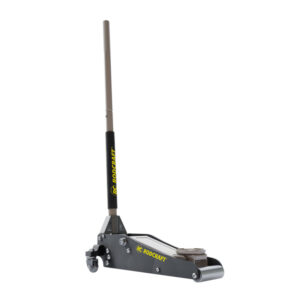
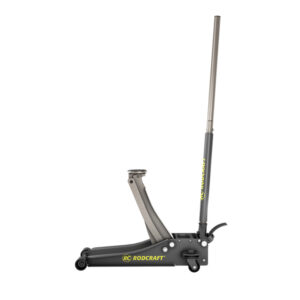
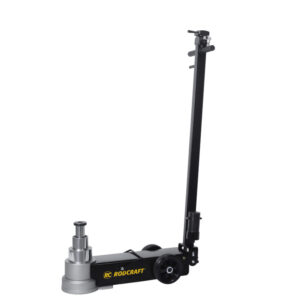
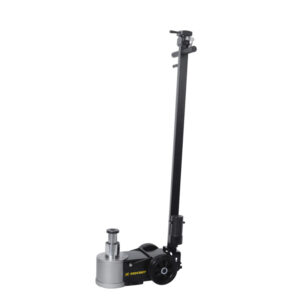
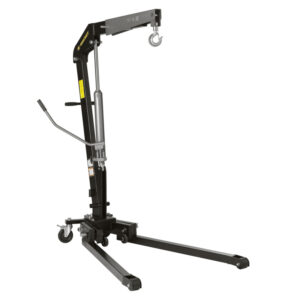
Lifting and support equipment refers to tools and hardware designed to lift, hold, and stabilize components and assemblies in automotive repair and industrial settings. Key items include hydraulic trolley jacks, transmission jacks, wheel trolleys, crane workshop cranes, wheel grippers, and air-hydraulic jacks. These devices support heavy loads safely and precisely during maintenance, repair, or manufacturing operations with high load capacities and reliable mechanical performance.
In this category you will find hydraulic trolley jacks rated from tons up to around 5 tons with adjustable lift ranges. There are air-hydraulic jacks capable of lifting 20 to 50 tons over specific height spans. Transmission jacks are available for lifts of 600–1,000 kg with extendable height. Floor-type wheel trolleys, wheel grippers, and wheel dollies feature in multiple capacities. Also included are workshop cranes, particularly lightweight hoist-type cranes for one-ton handling. All products listed include specifications for maximum load, height range, number of wheels, and type of lifting action.
These lifting and support devices are used in automotive repair garages, maintenance workshops, body shops, heavy equipment service centers, and industrial manufacturing plants. They enable safe lifting of vehicles, transmissions, wheels, engine components or chassis for inspection, assembly, or repair. Factors such as load capacity, lift height, and the selection of suitable workshop lifting tools are important when evaluating capacity needs, height adjustment ranges, and secure lifting methods. Regular tasks include rotating wheel grips, raising vehicle body with jacks, supporting engine parts with cranes or lifting hooks, and positioning heavy assemblies for alignment or welding.
Lifting and support equipment must meet key technical requirements to ensure safety and operational efficiency. Critical characteristics include working load limit (WLL) measured in tons, lift height or range (mm), base footprint, number of wheels or support points, material strength, and mechanical rating (e.g. Grade 8, Grade 100). For hydraulic and air-hydraulic units, oil seals, pump capacity, stroke dimensions, and cylinder stability matter. For support devices like wheel trolleys or grippers, the wheel count, swivel or fixed trucks, tyre material, and surface contact are important.
Typical use cases cover lifting a vehicle for underbody work, raising transmissions, transporting heavy wheel assemblies, or positioning engine parts. Variations include low-profile trolley jacks for minimal clearance, tall transmission jacks with extended height, and wheel dolls designed for mobility of removed wheels. Lifting points, chains, hooks, shackles, and joints provide suspension, anchoring, or overhead lifting tasks. For compliance, products often adhere to standards like EN 1677 for lifting hooks and joints, EN 454 or DIN standards for load links, and Grade classifications for chain strength. Where corrosion, temperature, or frequent load cycles are involved, material properties and safety factors are key. Selection considerations include the environment (workshop floor, uneven ground), load size and geometry, compatibility with vehicle chassis, and operational conditions such as ambient temperature or exposure to oil and fluids.
MEMIDOS operates as a global B2B platform connecting industrial product purchasers with verified manufacturers and suppliers. Buyers obtain lifting and support equipment directly from producers without intermediaries, streamlining procurement and improving cost efficiency. Payment is secured via an escrow system so funds are held until order conditions—such as shipment—are met, offering protection for buyers and assurance for suppliers. Industrial buyers benefit from transparent sourcing, direct access to technical specifications, and reliable supply channels across borders.
English
Български (Bulgarian)
Hrvatski (Croatian)
Čeština (Czech)
Dansk (Danish)
Nederlands (Dutch)
Suomi (Finnish)
Français (French)
Deutsch (German)
Ελληνικά (Greek)
Magyar (Hungarian)
Italiano (Italian)
Norsk bokmål (Norwegian Bokmål)
Polski (Polish)
Português (Portuguese (Portugal))
Română (Romanian)
Русский (Russian)
Español (Spanish)
Svenska (Swedish)
Türkçe (Turkish)