
Cart
No products in the cart.
 English
 Български (Bulgarian)
 Hrvatski (Croatian)
 Čeština (Czech)
 Dansk (Danish)
 Nederlands (Dutch)
 Suomi (Finnish)
 Français (French)
 Deutsch (German)
 Ελληνικά (Greek)
 Magyar (Hungarian)
 Italiano (Italian)
 Norsk bokmål (Norwegian Bokmål)
 Polski (Polish)
 Português (Portuguese (Portugal))
 Română (Romanian)
 Русский (Russian)
 Español (Spanish)
 Svenska (Swedish)
 Türkçe (Turkish)
Showing 1–16 of 21 resultsSorted by popularity
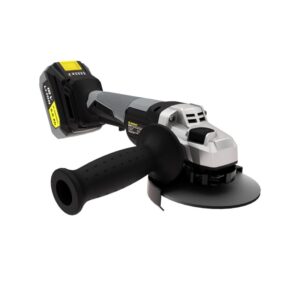
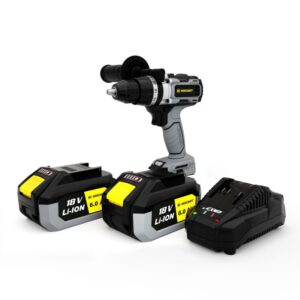
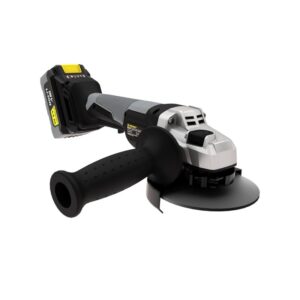
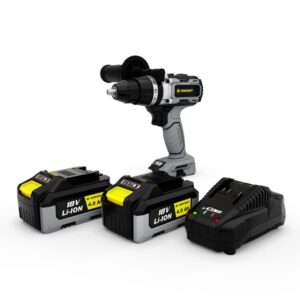
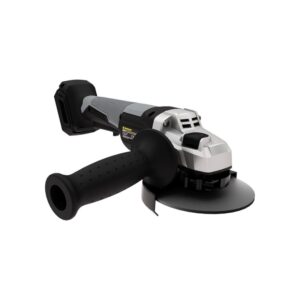
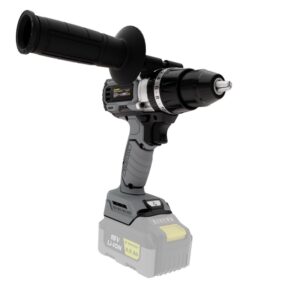
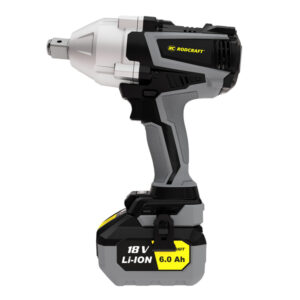
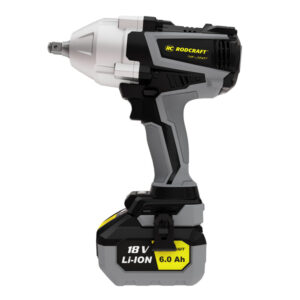
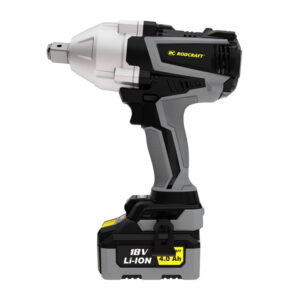
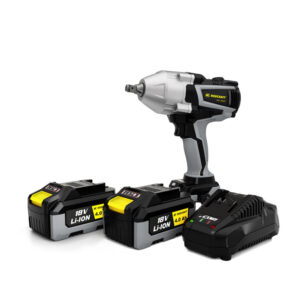
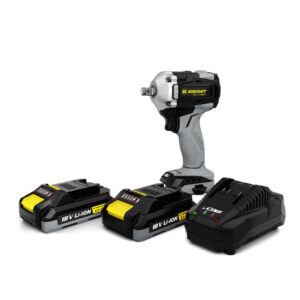
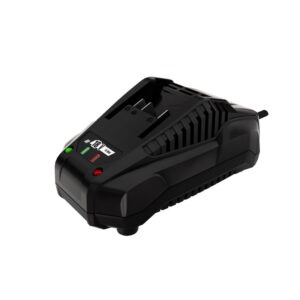
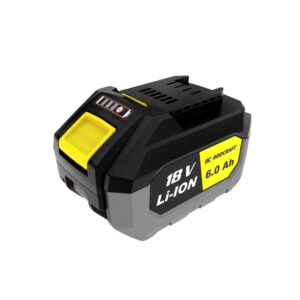
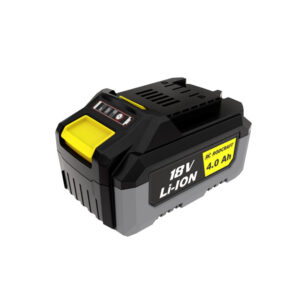
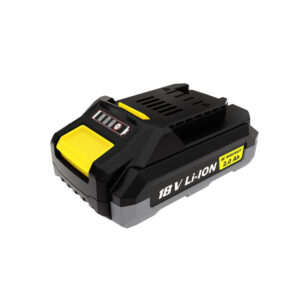
The power tools category encompasses electrically powered and battery-operated tools designed for industrial tasks such as drilling, grinding, impacting, and lubrication. It covers items including battery drilling machines, battery grinders, battery impact tools, grease guns that are powered by batteries, and accessories related to powered tools. These tools are vital for procurement professionals, maintenance teams, and engineering departments seeking rugged performance, rotational speed, torque, and battery compatibility.
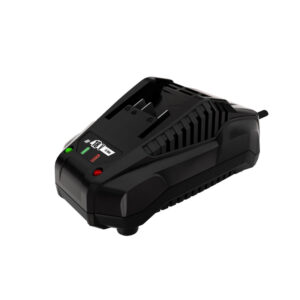
Within this category, you will find battery drilling machines capable of varying RPM ranges and torque outputs suitable for core drilling and fastening tasks. Battery grinders are featured for surface preparation and metalwear removal. Battery impact tools deliver high torque for fastening bolts or loosening stuck components. There are battery-powered grease guns used for automated lubrication. Finally, this category includes powered tools accessories, such as replacement batteries, chargers, and battery-compatible components.
These power tools are used in mechanical workshops, automotive maintenance, assembly lines, metal fabrication, and construction sites where handheld and portable equipment is essential. They are used for cord-free operations and battery-powered fastening tasks. Power tools help streamline tasks like driver torque control, grinder finishing, and impact fastening, enabling precision and repeatability in demanding environments.
Power tools in this category are primarily driven by electrical energy, either from battery packs or via accessories, with output characteristics including rotations per minute (RPM), maximum torque (for impact devices), and compatible battery voltages. Common variations include cordless drilling machines with adjustable speed ranges, grinders with specified disc diameter and RPM ratings, impact tools rated by torque and square drive size, and battery grease guns with pressure output and battery capacity indicators. Performance parameters such as amperage, voltage, battery-life (Ah rating), charging time, and load endurance are key. Tools must withstand industrial conditions: exposure to dust, vibration, intermittent high load, and variable temperatures. Compatible battery chemistries (e.g. Li-Ion), charger input/output specifications, and safety compliance (electrical insulation, overload protection, CE marking or equivalent safety standards) are also technical considerations. Selection often depends on environment (dry, damp, corrosive), load (continuous vs. intermittent usage), and required compatibility with existing battery platforms.
MEMIDOS is a global B2B platform that connects industrial buyers with verified manufacturers and suppliers, enabling direct purchasing without intermediaries. By removing middlemen, procurement becomes more efficient and pricing more competitive for battery drilling machines, impact tools, grease guns and related accessories. Payment handling is escrow-based: funds are held by MEMIDOS until order conditions such as shipment are met, ensuring protection for buyers while giving suppliers payment reliability. Buyers gain access to high-quality industrial power tools supplied by vetted manufacturers, and benefit from greater transparency in sourcing and smoother international procurement processes.
English
Български (Bulgarian)
Hrvatski (Croatian)
Čeština (Czech)
Dansk (Danish)
Nederlands (Dutch)
Suomi (Finnish)
Français (French)
Deutsch (German)
Ελληνικά (Greek)
Magyar (Hungarian)
Italiano (Italian)
Norsk bokmål (Norwegian Bokmål)
Polski (Polish)
Português (Portuguese (Portugal))
Română (Romanian)
Русский (Russian)
Español (Spanish)
Svenska (Swedish)
Türkçe (Turkish)