
Cart
No products in the cart.
 English
 Български (Bulgarian)
 Hrvatski (Croatian)
 Čeština (Czech)
 Dansk (Danish)
 Nederlands (Dutch)
 Suomi (Finnish)
 Français (French)
 Deutsch (German)
 Ελληνικά (Greek)
 Magyar (Hungarian)
 Italiano (Italian)
 Norsk bokmål (Norwegian Bokmål)
 Polski (Polish)
 Português (Portuguese (Portugal))
 Română (Romanian)
 Русский (Russian)
 Español (Spanish)
 Svenska (Swedish)
 Türkçe (Turkish)
Showing 1–16 of 17 resultsSorted by popularity
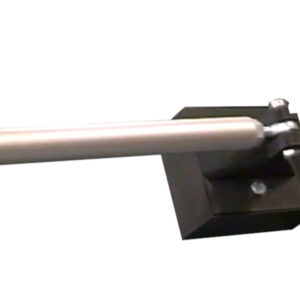
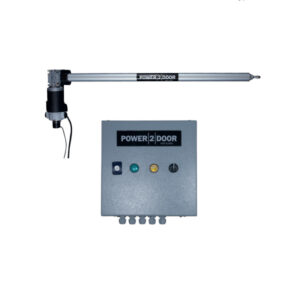
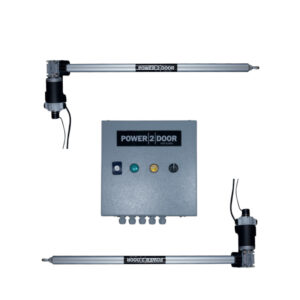
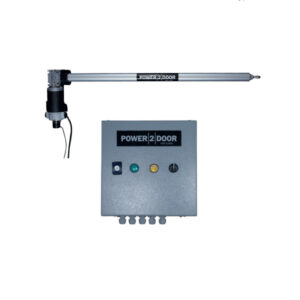
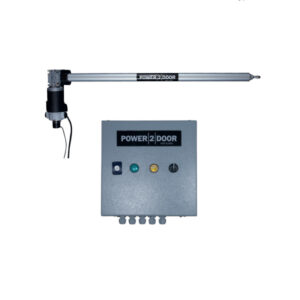
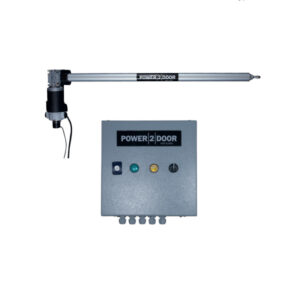
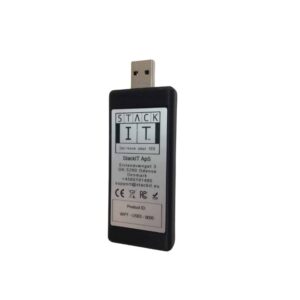
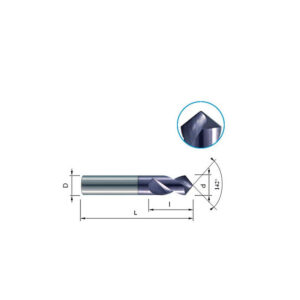
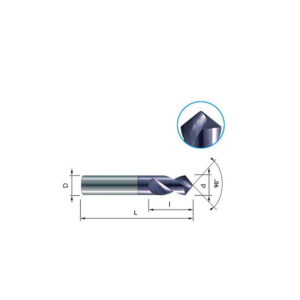
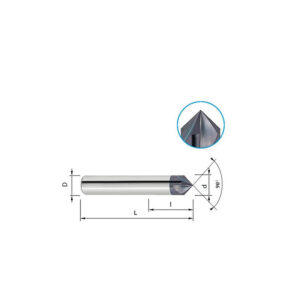
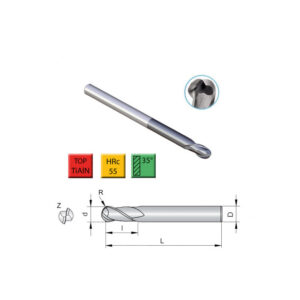
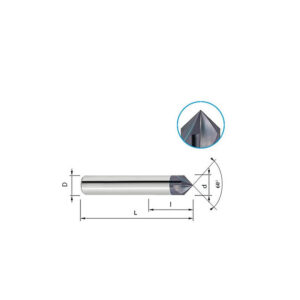
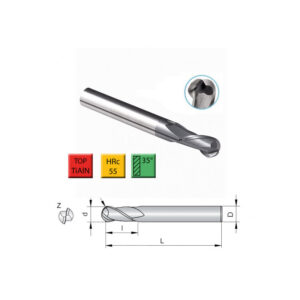
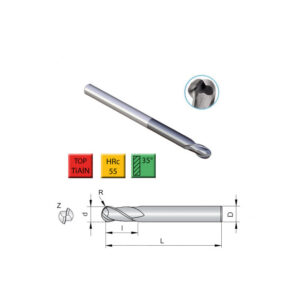
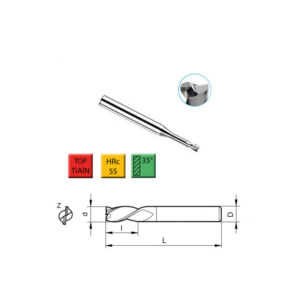
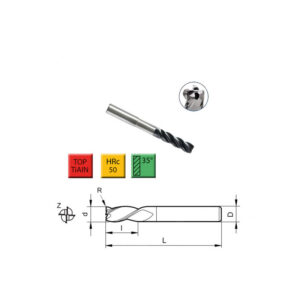
Machine tools in this category refer to precision equipment and cutting implements designed for shaping, cutting, drilling, milling, and CNC control in industrial settings. It includes items such as milling cutters, drill bits, automatic CNC machine doors, and CNC control systems. These tools are essential in metalworking, fabrication, machining, and related industrial manufacturing sectors for high-quality production operations.
This category features milling cutters with various configurations, including carbide cutters with two or four teeth, available in standard and long versions. It offers deburring chamfer cutters at angles such as 60° and 90°, with multiple diameter sizes. There are drill bits for NC (numerical control) machining. Outdoor and indoor automatic door systems for CNC machines and CNC control components are also included. These tools support precision cutting, chamfering, drilling, and CNC automation tasks. The range combines accessories for shaping and machining with controls and movement systems.
The machines and tools listed here serve multiple industrial functions. Milling cutters and NC drill bits are used for material removal and shaping in sectors like aerospace, automotive, and general fabrication. Deburring chamfer cutters help clean edges and prepare surfaces in finishing operations. Automatic doors for CNC machines improve safety, access control, and environmental containment in workshops. CNC controls ensure exact motion control and repeatability in automated machining. Typical related items include precision cutting tools, machining accessories, and CNC automation parts.
Machine tools are hardware suited to automated and manual machining processes, with primary function including cutting, milling, drilling, and edge finishing. Key technical characteristics involve tool diameter, cutting length, shank diameter, number of cutting edges, chamfer angle, and material hardness rating. Typical materials include carbide with TiAlN (Titanium Aluminium Nitride) coating, rated for hardness up to about 55-58 HRc, capable of dry machining or handling high thermal loads. Tool types vary in number of teeth (two-tooth, four-tooth), angle (e.g. 60°, 90° chamfers), and length (standard or long versions). Performance parameters include microhardness, coating thermal resistance, friction coefficient, and cutting geometry. Use cases: machining of steel, stainless steel, non-ferrous metals, aluminum alloys, cast iron, and plastics for production of precise parts, mould tools, aerospace components. Compliance considerations include CE marking for safety, adherence to manufacturing tolerances, proper hardness testing, and conformity to coating specifications. Selection factors include operating environment (dry or with coolant), load (depth of cut, RPM), compatibility with machine spindle type, material to be machined, precision requirements, and thermal stability.
MEMIDOS offers a global B2B platform where industrial buyers and procurement professionals can access machine tools directly from verified manufacturers and suppliers without intermediaries. This structure reduces overheads and helps streamline procurement. Payments on the platform are handled via escrow: funds are securely held until agreed order conditions—such as shipment or delivery—are met, protecting both buyer and supplier. Buyers gain access to high-quality industrial cutting tools, drill bits, CNC control systems and automatic doors with full transparency in sourcing and supplier verification, useful for international operations.
English
Български (Bulgarian)
Hrvatski (Croatian)
Čeština (Czech)
Dansk (Danish)
Nederlands (Dutch)
Suomi (Finnish)
Français (French)
Deutsch (German)
Ελληνικά (Greek)
Magyar (Hungarian)
Italiano (Italian)
Norsk bokmål (Norwegian Bokmål)
Polski (Polish)
Português (Portuguese (Portugal))
Română (Romanian)
Русский (Russian)
Español (Spanish)
Svenska (Swedish)
Türkçe (Turkish)