
Cart
No products in the cart.
 English
 Български (Bulgarian)
 Hrvatski (Croatian)
 Čeština (Czech)
 Dansk (Danish)
 Nederlands (Dutch)
 Suomi (Finnish)
 Français (French)
 Deutsch (German)
 Ελληνικά (Greek)
 Magyar (Hungarian)
 Italiano (Italian)
 Norsk bokmål (Norwegian Bokmål)
 Polski (Polish)
 Português (Portuguese (Portugal))
 Română (Romanian)
 Русский (Russian)
 Español (Spanish)
 Svenska (Swedish)
 Türkçe (Turkish)
Showing all 15 resultsSorted by popularity
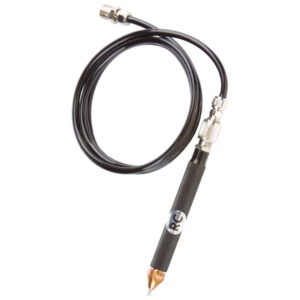
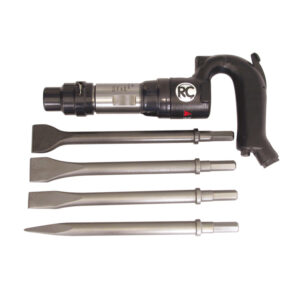
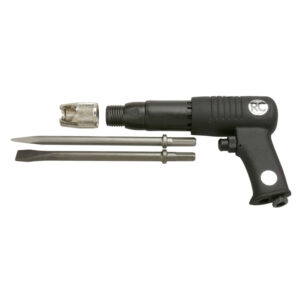
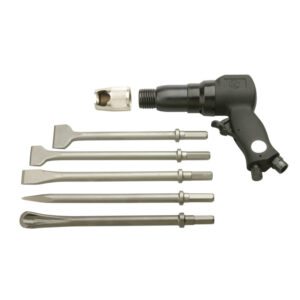
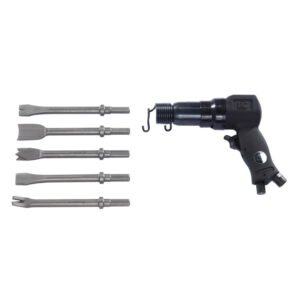
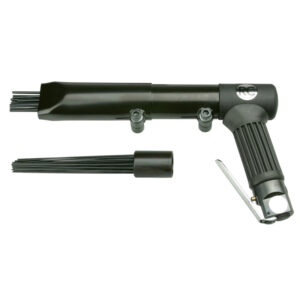
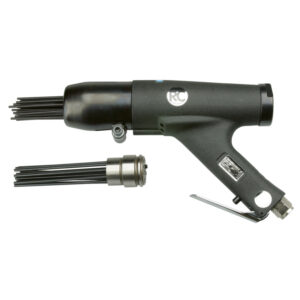
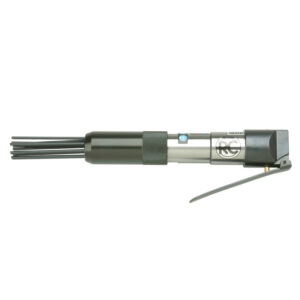
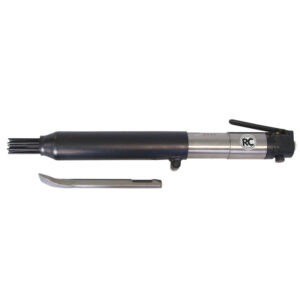
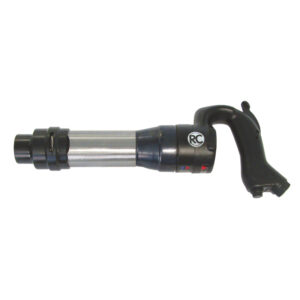
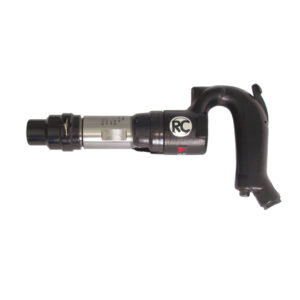
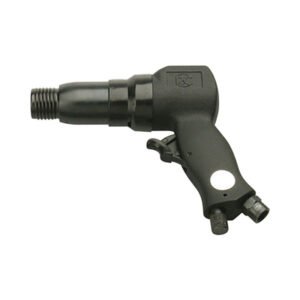
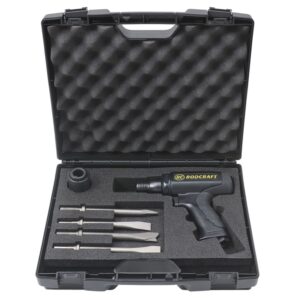
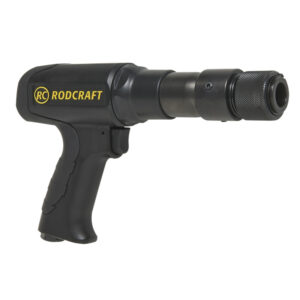
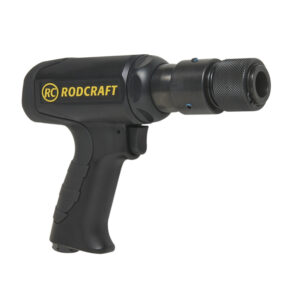
Chisels and hammers (air / pneumatic) refers to powered tools driven by compressed air, designed to deliver high-impact force for shaping, breaking, engraving, or scaling hard materials. They are commonly specified by characteristics such as impact energy, strokes per minute, and tool shank size. These tools are used where manual hammers lack efficiency and precision.
In this category, you will find air-powered engraving pens featuring small needle-shaped tips; pneumatic chisel hammer sets with multiple chisels included; single chisel hammers with varying impact force; needle scalers or needle hammers with multiple needles for surface preparation; and combined two-in-one tools offering both chisel hammer and needle scaler functions. Each product specifies features such as impact energy, hit or blow rate per minute, shank type, needle count, and application-specific configurations.
These tools are used in construction, masonry, automotive, metalworking, and fabrication for tasks such as concrete cutting, edge chipping, joint cleaning, rust or paint removal, and fine engraving or marking on metal or stone. They are commonly used for surface preparation and concrete demolition. Such tools are suitable for work on stone, concrete, thick metal plates, and other durable materials where high-impact force and precision are required in harsh operational conditions.
The primary function of air/pneumatic chisels and hammers is to convert compressed air into mechanical impact energy to deliver blows or vibrations for material removal, shaping, or surface treatment. Key technical characteristics include impact energy (measured in joules), blow or hit rate (beats per minute or strokes per minute), shank size and shape (such as hex or round), needle count and diameter for scalers, tool weight, and air consumption and inlet thread size. Typical performance parameters range from several joules of impact at thousands of blows per minute to high needle counts in the hundreds for scaling tools. Common variations in this category include chisel hammer sets, single chisel hammers, engraving pens, needle scalers (or needle hammers), and two-in-one chisel/needle scaler tools, each differing in force output, tip/needle configuration, and ergonomics. Selection considerations involve matching the impact energy and blow rate to the material hardness, ensuring the shank and needle style are compatible with the workpiece, verifying air supply capacity and pressure, and considering tool weight and vibration exposure. Compliance with industry standards such as CE marking for safety and performance is relevant, as is ensuring correct hose diameter and pressure ratings for reliable operation.
MEMIDOS is a global B2B industrial platform that connects buyers directly with manufacturers and verified suppliers. By eliminating intermediaries, buyers benefit from more efficient procurement and competitive pricing. Payments are handled through a secure escrow-based system: funds are held until order conditions such as shipment are met, protecting both buyers and suppliers. The platform offers access to high-quality pneumatic chisels and hammers designed to meet technical requirements, simplifying international sourcing with transparent specifications and reliable supplier verification.
English
Български (Bulgarian)
Hrvatski (Croatian)
Čeština (Czech)
Dansk (Danish)
Nederlands (Dutch)
Suomi (Finnish)
Français (French)
Deutsch (German)
Ελληνικά (Greek)
Magyar (Hungarian)
Italiano (Italian)
Norsk bokmål (Norwegian Bokmål)
Polski (Polish)
Português (Portuguese (Portugal))
Română (Romanian)
Русский (Russian)
Español (Spanish)
Svenska (Swedish)
Türkçe (Turkish)