
Cart
No products in the cart.
 English
 Български (Bulgarian)
 Hrvatski (Croatian)
 Čeština (Czech)
 Dansk (Danish)
 Nederlands (Dutch)
 Suomi (Finnish)
 Français (French)
 Deutsch (German)
 Ελληνικά (Greek)
 Magyar (Hungarian)
 Italiano (Italian)
 Norsk bokmål (Norwegian Bokmål)
 Polski (Polish)
 Português (Portuguese (Portugal))
 Română (Romanian)
 Русский (Russian)
 Español (Spanish)
 Svenska (Swedish)
 Türkçe (Turkish)
Showing 1–16 of 53 resultsSorted by popularity
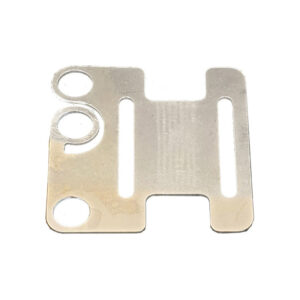

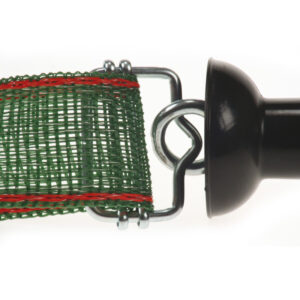
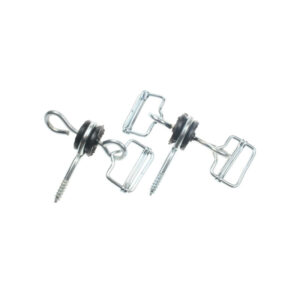
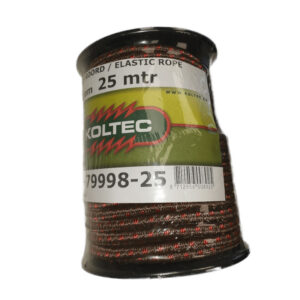
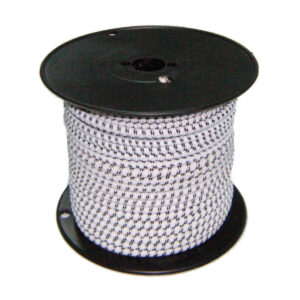
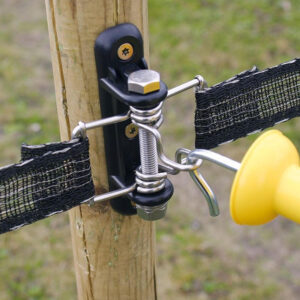
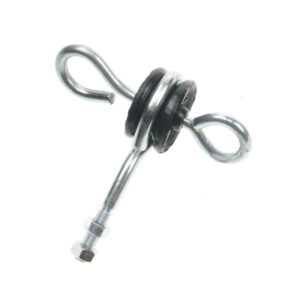
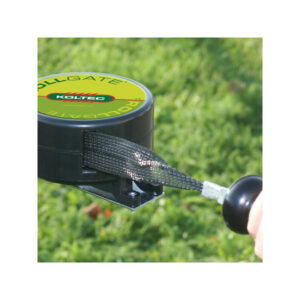
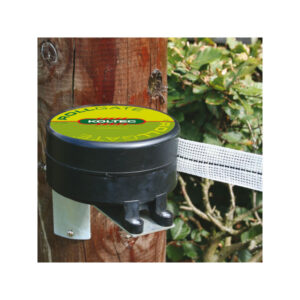
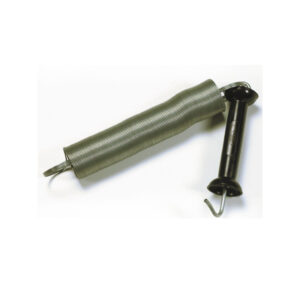
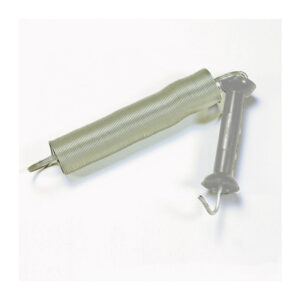
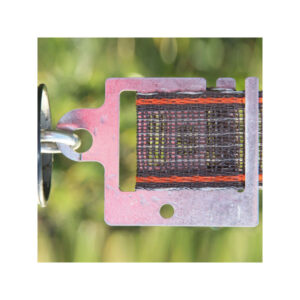
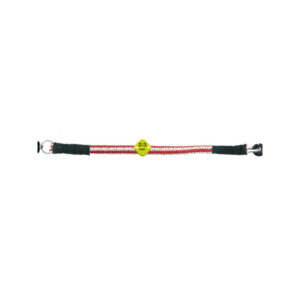
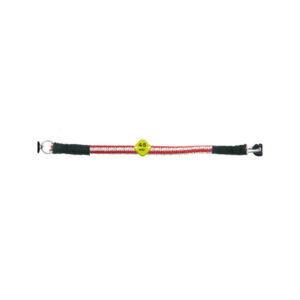
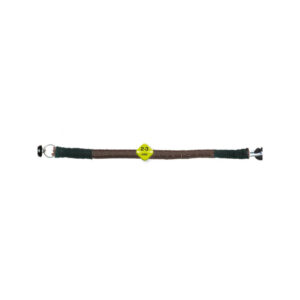
Gate material for electric fence refers to components used to construct, secure, and maintain gates within an electric fencing system in agriculture or forestry. Products such as gate handles, rollgates, gate kits, handle anchors, and related accessories ensure safe passage through high-tension fencing while preserving electrical integrity. These materials are essential for industrial professionals seeking durable, safe gate solutions for livestock containment and perimeter control.
This category includes gate handles designed to connect with fencing tape, gate handle anchors which secure handles in place, full gate kits combining multiple necessary parts, rollgates that roll open across fence gates, and other gate-specific materials such as corner insulators, anchor plates and springs. Each product type supports the gate structure or connection points, ensuring operational reliability for electric fence gates. Materials range from elastic cable and galvanized components to stainless steel fixtures.
Gate materials for electric fences are used in livestock farming to manage entryways where cattle, horses, or other animals cross boundaries. In forestry applications gate works help control wildlife and secure firebreaks. They support animal containment, perimeter security, and tape connector systems, contributing to safety and control. Industries include agricultural fencing, ranch operations, and forestry perimeter management, especially where electric fencing must permit passage without degrading current flow.
Gate materials for electric fences function to provide both structural support for gates and isolation of electrified elements. Key technical characteristics include electrical insulation compatibility (e.g. tape or wire connectors), mechanical strength (durable materials like galvanized steel, stainless steel), and flexibility or elasticity in cables and springs. Dimensions such as gate opening width, cable length (often several meters), anchor plate size, and insulator spacing are critical. Variations include rollgates—sliding or rolling gates across openings—and handle assemblies with anchors for secure, insulated entry points. Components must withstand environmental exposure: moisture, UV, temperature fluctuations. Standards or compliance include insulation ratings for safe voltage handling, corrosion resistance per ASTM or ISO norms, and mechanical load tolerances. Selection considerations involve the type of fencing tape or wire used, gate opening width and frequency of use, environmental conditions like wet or marine air, and maintenance access for springs or moving parts.
MEMIDOS is a global B2B platform for industrial products that enables procurement professionals to source gate material for electric fences directly from verified manufacturers and suppliers without intermediaries. By removing middle men, the procurement process becomes more efficient and pricing more competitive. Payment is handled securely via an escrow-based system, where funds are held until order conditions—such as shipment—are met, ensuring buyer protection and supplier reliability. Access to a curated range of gate handles, rollgates, anchors, and gate kits from trusted sources simplifies international sourcing and enhances transparency in equipment acquisition.
English
Български (Bulgarian)
Hrvatski (Croatian)
Čeština (Czech)
Dansk (Danish)
Nederlands (Dutch)
Suomi (Finnish)
Français (French)
Deutsch (German)
Ελληνικά (Greek)
Magyar (Hungarian)
Italiano (Italian)
Norsk bokmål (Norwegian Bokmål)
Polski (Polish)
Português (Portuguese (Portugal))
Română (Romanian)
Русский (Russian)
Español (Spanish)
Svenska (Swedish)
Türkçe (Turkish)