
Cart
No products in the cart.
 English
 Български (Bulgarian)
 Hrvatski (Croatian)
 Čeština (Czech)
 Dansk (Danish)
 Nederlands (Dutch)
 Suomi (Finnish)
 Français (French)
 Deutsch (German)
 Ελληνικά (Greek)
 Magyar (Hungarian)
 Italiano (Italian)
 Norsk bokmål (Norwegian Bokmål)
 Polski (Polish)
 Português (Portuguese (Portugal))
 Română (Romanian)
 Русский (Russian)
 Español (Spanish)
 Svenska (Swedish)
 Türkçe (Turkish)
Showing 1–16 of 43 resultsSorted by popularity
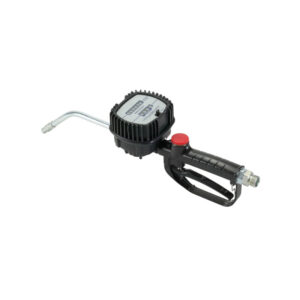
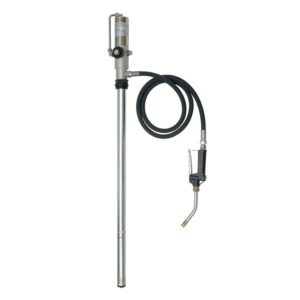
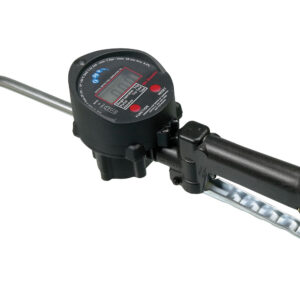
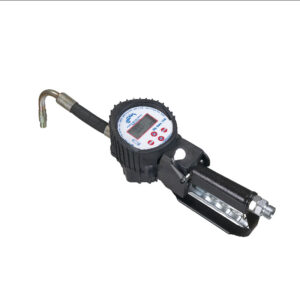
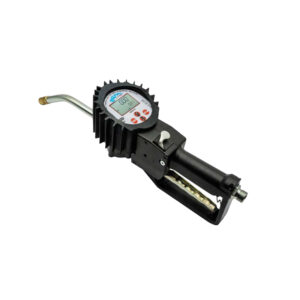
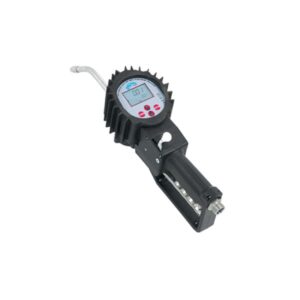
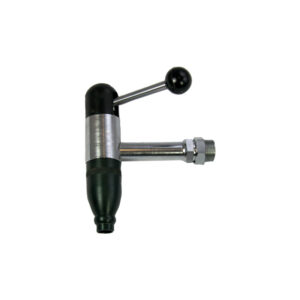
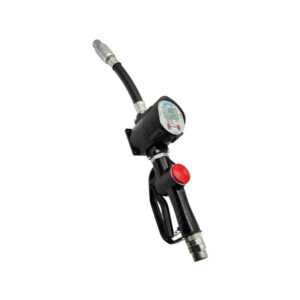
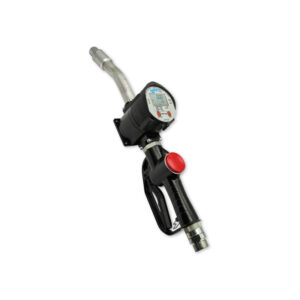
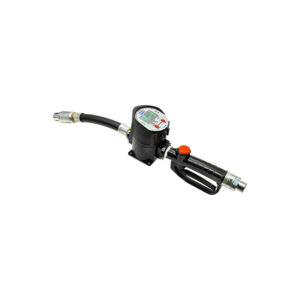
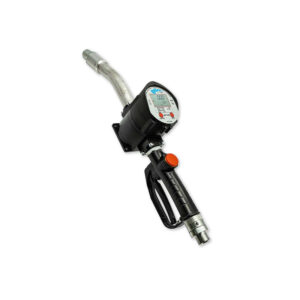
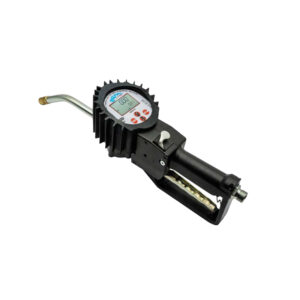
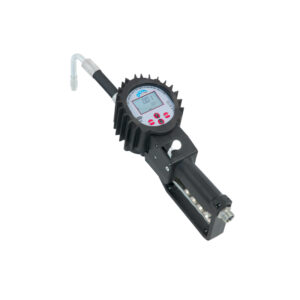
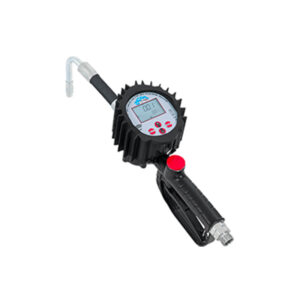
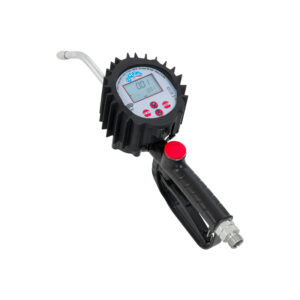
An oil dispensing gun is a workshop fluid-equipment tool designed for controlled transfer of oil or fluid. It is often part of oil and fluid dispensing systems and pumps. These devices provide precise flow metering, anti-drip nozzle control, and various inlet or outlet stem configurations, suitable for industrial use in automotive repair shops, service stations, and heavy machinery maintenance.
The category includes a range of oil dispensing guns with different mechanical and electronic metering features. There are manual guns with flexible hoses, anti-drip nozzles, and inlet swivels. Digital meter guns with oval gears and extensions bent to precise angles are also available. Some products deliver high flow rates, some are MID MI005 approved for metrological accuracy, and others come with preset functions or display units. There are also gun kits for large drum setups with double acting pumps.
Oil dispensing guns are used where precise fluid handling is required—for example in automotive workshops servicing engines, gearboxes, or hydraulic systems. In industrial machinery maintenance, they help control lubricant delivery, avoid overfill, and ensure clean, safe dispensing. Common variants include “flow meter guns” and “anti-drip nozzles”. They are also used in sectors where fiscal compliance is required, such as in fuel oil metering under MID standards, and in operations handling high-viscosity oils.
Oil dispensing guns serve to deliver measured quantities of oil under controlled flow and pressure conditions. Key technical characteristics include flow rate (e.g. 1–35 litres per minute), pressure rating (sometimes up to 70 bar), and temperature range (for many guns +5 °C to +50 °C). Materials and sealing components like oval gear meters, inlet swivels, hose and stem geometry (rigid, curved 90°, flexible bent 80°) affect performance. Variations include manual vs. electronic flow measurement; digital display vs. mechanical totalizers; anti-drip vs. automatic nozzles; and compliance with standards such as MID MI005 and OIML R117-1 for metrological accuracy. Selection considerations include fluid viscosity, required flow precision, environmental temperature, nozzle geometry matching application, and any regulatory compliance for measurement. Compatibility of inlet size (for example ½ʺ BSP), hose diameter, and stem angle are also relevant. Certifications such as CE marking are present in many models to ensure safety and compliance.
MEMIDOS is a global B2B platform connecting industrial buyers with verified manufacturers and suppliers directly, eliminating intermediaries. Procurement through MEMIDOS allows you to handle payment securely via escrow: funds are held until ordered goods are shipped, ensuring protection and reliability. Industrial buyers gain access to high-quality oil dispensing guns that meet regulatory standards, with transparent sourcing and streamlined international procurement. This setup enhances trust while improving efficiency in equipment acquisition.
English
Български (Bulgarian)
Hrvatski (Croatian)
Čeština (Czech)
Dansk (Danish)
Nederlands (Dutch)
Suomi (Finnish)
Français (French)
Deutsch (German)
Ελληνικά (Greek)
Magyar (Hungarian)
Italiano (Italian)
Norsk bokmål (Norwegian Bokmål)
Polski (Polish)
Português (Portuguese (Portugal))
Română (Romanian)
Русский (Russian)
Español (Spanish)
Svenska (Swedish)
Türkçe (Turkish)