
Cart
No products in the cart.
 English
 Български (Bulgarian)
 Hrvatski (Croatian)
 Čeština (Czech)
 Dansk (Danish)
 Nederlands (Dutch)
 Suomi (Finnish)
 Français (French)
 Deutsch (German)
 Ελληνικά (Greek)
 Magyar (Hungarian)
 Italiano (Italian)
 Norsk bokmål (Norwegian Bokmål)
 Polski (Polish)
 Português (Portuguese (Portugal))
 Română (Romanian)
 Русский (Russian)
 Español (Spanish)
 Svenska (Swedish)
 Türkçe (Turkish)
Showing all 8 resultsSorted by popularity
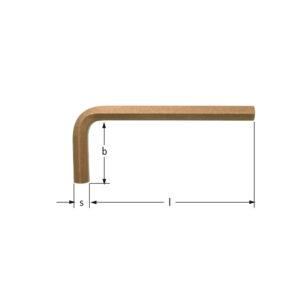
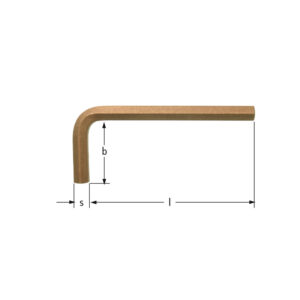

Hex keys, also known as Allen keys, non-sparking means tools made from non-ferrous alloys like beryllium copper that do not generate sparks when they strike or slide against metallic surfaces. They are essential tools for industrial professionals needing Allen wrenches or hex keys that reduce ignition risk in flammable or hazardous atmospheres. High-purity, non-magnetic grades ensure safety in oil, gas, chemical, and mining applications.
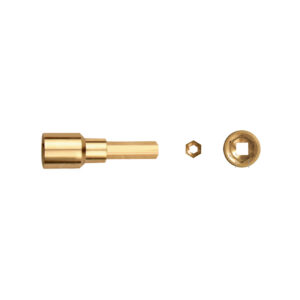
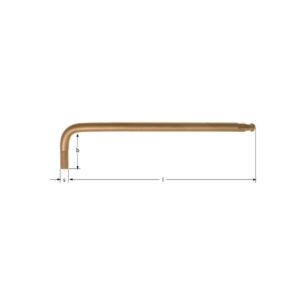
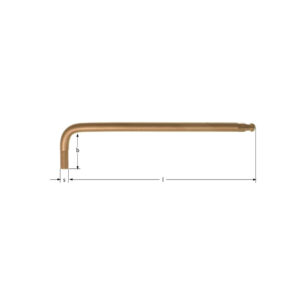
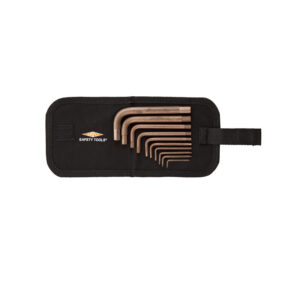
This category features non-sparking hex keys / Allen wrenches made in both metric and inch sizes. It includes single hex keys, long-arm hex keys for greater reach or leverage, ball-point hex keys for angled access, and multi-piece hex Allen key sets in both display formats and kits. All are manufactured in beryllium copper alloy (“BeCu”) to provide non-sparking, non-magnetic behavior in strict safety environments.
Non-sparking Allen keys are used where tools might contact flammable gases, vapors, dusts or liquids, such as in oil and gas processing, petrochemical plants, mining operations, and explosive storage facilities. These tools are commonly classified as fire-hazard tools, intrinsically safe hand tools, and static-discharge prevention tools. These tools are also applied during maintenance, assembly, and repair tasks in intrinsically safe zones where conventional steel tools pose spark-generation hazards.
These hex keys are crafted from non-ferrous, spark-resistant alloy—specifically beryllium copper. Material hardness, alloy composition, and non-magnetic characteristics are key technical parameters. Sizes follow standard metric dimensions (millimeters) and inch dimensions (fractional/inch). Ball-point and long-arm configurations offer varying access and torque leverage. Allen key sets may include multiple sizes in a single compact kit. Tolerances on hex dimensions (flat-to-flat width, chamfer, tip geometry) must meet ANSI or ISO standards to ensure proper fit into hex sockets or drive holes. Surface finish and corrosion resistance matter for outdoor or corrosive environments. In selecting these tools, consider ambient temperature, presence of explosive or flammable substances, non-magnetic requirement, size compatibility with fastener heads, torque range limitations due to alloy strength, and any regulatory compliance for intrinsically safe tools in your jurisdiction.
MEMIDOS operates as a global B2B industrial platform connecting procurement professionals with verified manufacturers and suppliers. You can purchase directly without intermediaries, which supports efficient sourcing and more competitive pricing. Payments are handled securely via an escrow-based system: funds are held until order conditions such as shipment are met, offering protection for buyers and payment assurance for suppliers. The platform specializes in industrial grade, non-sparking hand tools from certified suppliers, simplifying international procurement and improving supply chain transparency.
English
Български (Bulgarian)
Hrvatski (Croatian)
Čeština (Czech)
Dansk (Danish)
Nederlands (Dutch)
Suomi (Finnish)
Français (French)
Deutsch (German)
Ελληνικά (Greek)
Magyar (Hungarian)
Italiano (Italian)
Norsk bokmål (Norwegian Bokmål)
Polski (Polish)
Português (Portuguese (Portugal))
Română (Romanian)
Русский (Russian)
Español (Spanish)
Svenska (Swedish)
Türkçe (Turkish)