
Cart
No products in the cart.
 English
 Български (Bulgarian)
 Hrvatski (Croatian)
 Čeština (Czech)
 Dansk (Danish)
 Nederlands (Dutch)
 Suomi (Finnish)
 Français (French)
 Deutsch (German)
 Ελληνικά (Greek)
 Magyar (Hungarian)
 Italiano (Italian)
 Norsk bokmål (Norwegian Bokmål)
 Polski (Polish)
 Português (Portuguese (Portugal))
 Română (Romanian)
 Русский (Russian)
 Español (Spanish)
 Svenska (Swedish)
 Türkçe (Turkish)
Showing all 7 resultsSorted by popularity
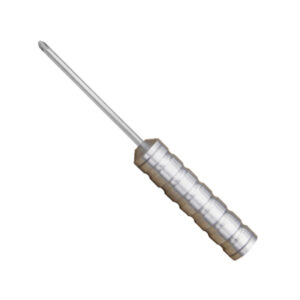
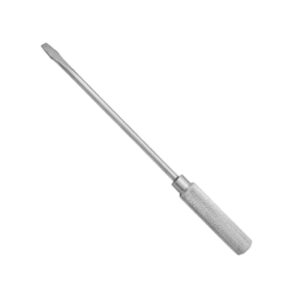
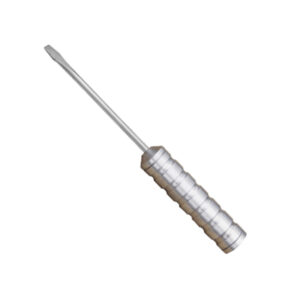
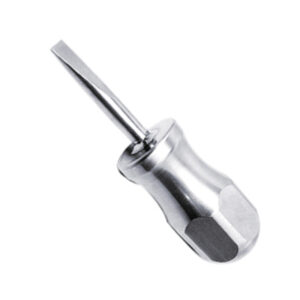
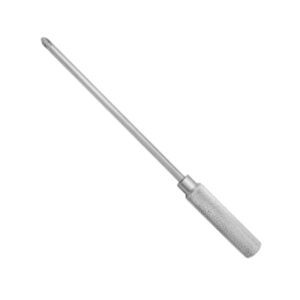
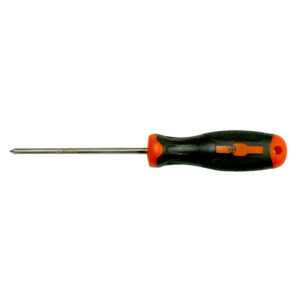
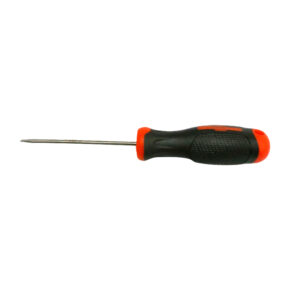
Screwdrivers - Stainless steel are hand tools designed for industrial and mechanical purposes, made from stainless steel alloys. These high-quality tools serve for driving or removing slotted and cross-head screws in environments where corrosion resistance and durability are essential. Industrial users like maintenance technicians, engineers, and production staff demand hardened tips, precise fit, and reliable performance when working with stainless steel screwdrivers.
This category features stainless steel screwdrivers including cross-head (star / Phillips) screwdriver types and slotted (flat head) screwdrivers. You will also find stubby or short slotted and flat head screwdrivers, which are compact versions suitable for tight spaces. All products are specified in stainless steel material grade 304. Lengths and sizes vary from short stubby tips to full-length handles. Variants in tip style and driver size are clearly listed for each stainless steel tool.
Stainless steel screwdrivers are commonly used in food processing, marine engineering, pharmaceutical production and clean-room environments, where hygiene and corrosion resistance are critical. They are used for assembling and disassembling equipment, performing maintenance on stainless steel panels, fasteners, and tanks. These tools are also useful where exposure to moisture, chemical agents, or high-humidity conditions demands materials that resist rust and contamination. Secondary considerations include tip hardness and shape retention, as well as precision fit for screws in hygienic or sanitary-critical applications.
Stainless steel screwdrivers are tools with hardened driver tips, crafted from stainless steel (such as grade 304) to provide corrosion resistance, moderate strength, and good wear properties. Primary function is to turn screws: cross-head and Phillips tips are shaped for cruciform screw slots, while slotted heads are flat blades matching straight slots. Stubby variants have significantly reduced shaft length, to allow access in confined spaces or where leverage is limited.
Key technical characteristics include material grade (e.g. 304 stainless steel), tip hardness (often quantified via Rockwell or equivalent), shaft diameter and length, handle ergonomic design, tip machining tolerances, tip-to-slot fit (to minimize cam-out), and overall tool balance. Use cases include stainless steel machine assemblies, hygienic enclosures, food equipment, and environments requiring regular cleaning and resistance to oxidizing agents.
Variations within this category differ by tip type (cross-head or Phillips versus slotted / flat head), length (stubby/short versus full shaft), and shaft dimension. Different screwdriver sizes correspond to screw size compatibility. Industry standards relevant may include ISO or DIN tip profiles, material compliance to corrosion resistance standards, surface finish standards, and safety or hygiene certification where applicable. Selection considerations include environment (corrosive, wet, clean), required torque loads, compatibility with screw size and head type, corrosion resistance, and ease of maintenance such as cleaning or sharpening.
MEMIDOS operates as a global B2B platform specializing in industrial products, enabling procurement professionals to purchase screwdrivers - stainless steel directly from verified manufacturers and suppliers without intermediaries. With no middlemen, procurement becomes more efficient and cost-competitive. All payments are handled securely via escrow, meaning funds are held by MEMIDOS until order conditions like shipment are met, assuring protection for buyers and reliable payment for suppliers. The platform offers access to high-quality stainless steel tools supplied by verified industrial tool manufacturers, simplifying international procurement and enhancing transparency in sourcing.
English
Български (Bulgarian)
Hrvatski (Croatian)
Čeština (Czech)
Dansk (Danish)
Nederlands (Dutch)
Suomi (Finnish)
Français (French)
Deutsch (German)
Ελληνικά (Greek)
Magyar (Hungarian)
Italiano (Italian)
Norsk bokmål (Norwegian Bokmål)
Polski (Polish)
Português (Portuguese (Portugal))
Română (Romanian)
Русский (Russian)
Español (Spanish)
Svenska (Swedish)
Türkçe (Turkish)