
Cart
No products in the cart.
 English
 Български (Bulgarian)
 Hrvatski (Croatian)
 Čeština (Czech)
 Dansk (Danish)
 Nederlands (Dutch)
 Suomi (Finnish)
 Français (French)
 Deutsch (German)
 Ελληνικά (Greek)
 Magyar (Hungarian)
 Italiano (Italian)
 Norsk bokmål (Norwegian Bokmål)
 Polski (Polish)
 Português (Portuguese (Portugal))
 Română (Romanian)
 Русский (Russian)
 Español (Spanish)
 Svenska (Swedish)
 Türkçe (Turkish)
Showing all 8 resultsSorted by popularity
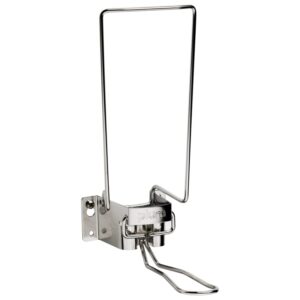
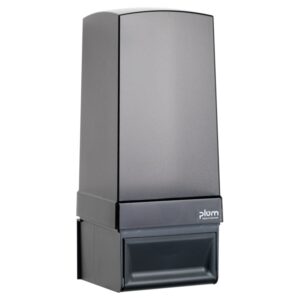
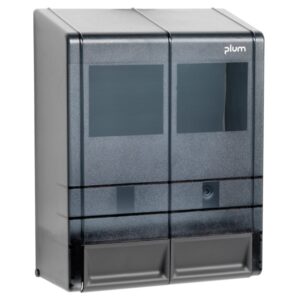
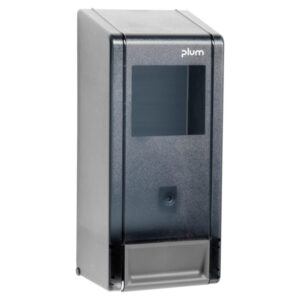
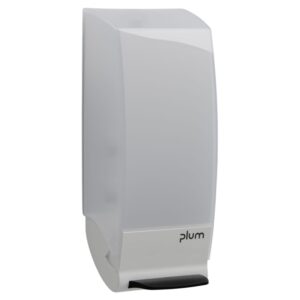
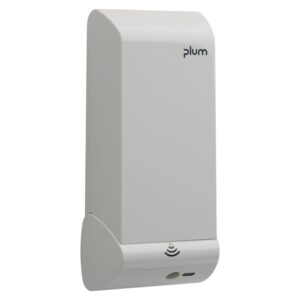
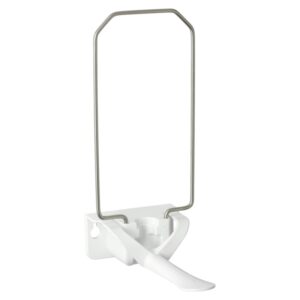
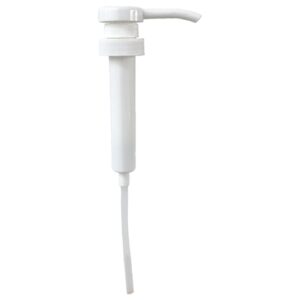
A skin care dispenser is a device designed to store and deliver skin care products such as soaps, lotions, creams, or sanitizers in a controlled manner. Ideal for industrial or commercial hygiene setups, skin care dispensers help maintain cleanliness through hygienic dispensing mechanisms such as manual pumps, elbow levers, module systems, or contactless (electric) operation.
This category includes a range of dispensers and accessory components covering multiple dispensing methods. You’ll find manual dispensers made of ABS or plastic, elbow-lever operated steel or plastic models, module-style multi-container units, contactless electric dispensers for sachet products, and dosing pumps for large canisters. Transparent or polycarbonate bodies are common, as are sturdy materials like stainless steel and impact-resistant plastics. Volume options include 1.0 l bags or sachets and larger canister-sized dosing attachments.
Skin care dispensers are essential in sectors where hand hygiene and skin protection are regulated, such as food processing, healthcare, public restrooms, manufacturing, and institutional facilities. They are used for dispensing hand soap, skin cleaning agents, lotions, or sanitizers, often under frequent use. Key terms relevant for procurement teams include “touchless dispenser,” “bag-in-box system,” and “dosing pump.” These products enable compliance with hygiene standards and help reduce cross-contamination while supporting safety protocols and workplace cleanliness.
In industrial settings, a skin care dispenser functions to store skin care products in sealed containers or sachets and deliver a measured dose to users. Key technical characteristics include material construction (ABS plastic, stainless steel, polycarbonate), mounting or attachment type, dispensing mechanism (manual lever, elbow lever, contactless electric sensor), capacity (1.0 l sachets or larger volumes like 5 l canisters with dosing pumps), and refill compatibility. Dimensions and weight are relevant for installation constraints—height, width, depth and wall clearance. Contactless electric models often require batteries and sensors calibrated for low-false-trigger rates. Manual or elbow lever systems rely on durable mechanical parts suitable for high-traffic and frequent use. Compliance with hygiene and safety standards such as CE marking is visible on many products. Selection considerations include the environment (wet, dry, food-safe areas), cleaning and maintenance regimes (ease of disassembly, resistant surfaces), compatibility with refill products (bags, sachets, canisters), and expected usage load (number of dispenses per day). These factors affect durability, hygiene, and total cost of ownership.
MEMIDOS is a global B2B platform connecting industrial buyers directly with verified manufacturers and suppliers, eliminating middle-man layers. Funds are handled via secure escrow where payment is released only when order conditions such as shipment are fulfilled. This ensures protection for buyers and assurance for suppliers. You gain access to industrial-grade skin care dispensers from verified sources, supporting operational standards and hygiene compliance. The platform streamlines international procurement processes and enhances supply chain transparency, simplifying sourcing of hygiene equipment for procurement professionals.
English
Български (Bulgarian)
Hrvatski (Croatian)
Čeština (Czech)
Dansk (Danish)
Nederlands (Dutch)
Suomi (Finnish)
Français (French)
Deutsch (German)
Ελληνικά (Greek)
Magyar (Hungarian)
Italiano (Italian)
Norsk bokmål (Norwegian Bokmål)
Polski (Polish)
Português (Portuguese (Portugal))
Română (Romanian)
Русский (Russian)
Español (Spanish)
Svenska (Swedish)
Türkçe (Turkish)