
Cart
No products in the cart.
 English
 Български (Bulgarian)
 Hrvatski (Croatian)
 Čeština (Czech)
 Dansk (Danish)
 Nederlands (Dutch)
 Suomi (Finnish)
 Français (French)
 Deutsch (German)
 Ελληνικά (Greek)
 Magyar (Hungarian)
 Italiano (Italian)
 Norsk bokmål (Norwegian Bokmål)
 Polski (Polish)
 Português (Portuguese (Portugal))
 Română (Romanian)
 Русский (Russian)
 Español (Spanish)
 Svenska (Swedish)
 Türkçe (Turkish)
Showing all 8 resultsSorted by popularity
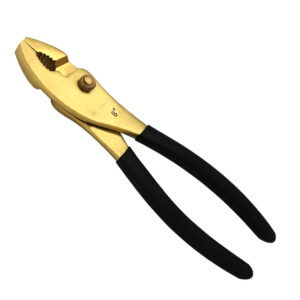
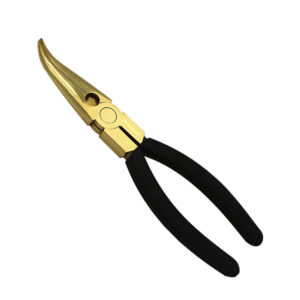
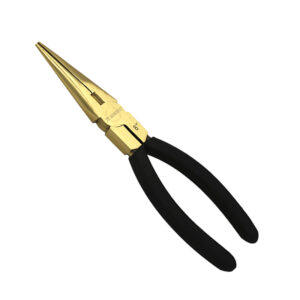
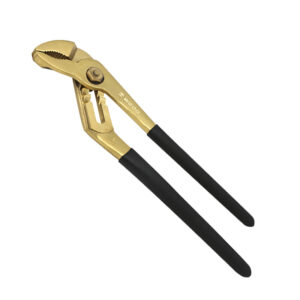
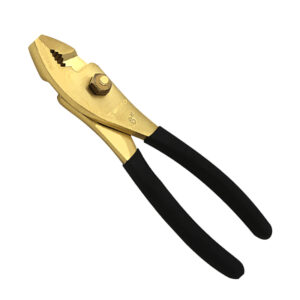
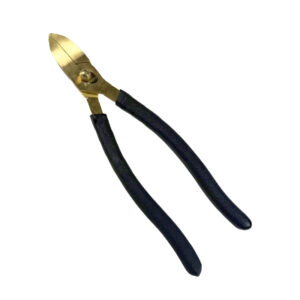
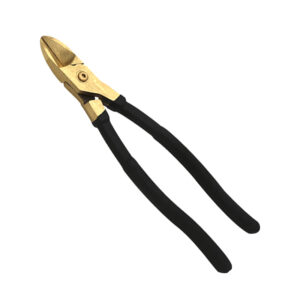
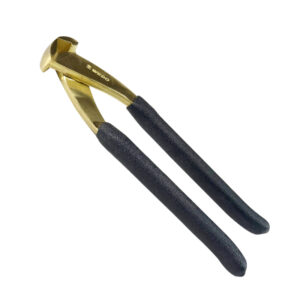
Pliers ‒ brass refers to a type of hand tool made predominantly from brass alloy, used for gripping, cutting, bending, and manipulating materials where non-ferrous and corrosion-resistant tools are required. This category includes brass pliers suitable for industrial professionals such as electricians, plumbers, and technicians who need tools with material compatibility for specific environments or applications. They are commonly procured for industrial applications that require non-sparking, corrosion-resistant hand tools.
In the pliers ‒ brass category, you'll see adjustable combination pliers (also called universal pliers), long nose pliers (including 45-degree and telephone variants), waterpump or Polygrip / multi-pliers, diagonal cutting or side cutter pliers (bidet-type also listed), and cutting/pincers/plier sets. All are manufactured in brass and designed for different tool sizes and jaw configurations. Each product combines gripping, turning or cutting functionality under brass construction.
These brass pliers are used in environments where steel tools may cause sparks, corrosion, or electrical interference. That includes electrical installations, marine or shipbuilding, plumbing systems involving non-ferrous piping, and hazardous atmospheres where non-sparking tools are required. They are used for non-static, non-ferrous gripping applications. Industries such as petrochemical, offshore, instrumentation and tunneling often specify brass tools for safety and material compatibility reasons.
Pliers in brass are selected for their material properties and specific functionality. Brass provides electrical non-conductivity (relative to steel alloys), corrosion resistance, and lower risk of sparking, making it suitable for sensitive or explosive atmospheres. Key technical characteristics include jaw width, handle length, cutting edge geometry, and hardness rating. For example, some diagonal cutting pliers feature sharp cutting edges at a specific angle to allow clean wire or soft metal cuts. Waterpump pliers offer adjustable jaws to span a range of diameters. Long nose or telephone pliers have extended narrow tips for reach into confined spaces or bending leads.
Typical variations include combination pliers (which combine gripping and wire cutting), side cutters/diagonal pliers (for cutting), multi-pliers or waterpump types (for adjustable grip and force), and long nose variations (for precision and access). Performance parameters include tensile strength of brass alloy, allowable jaw pressure, corrosion resistance (e.g., in chlorinated or marine environments), and compliance with safety standards (for example, non-sparking tool standards, potentially ATEX or equivalent where required). Key selection considerations include the operating temperature, presence of explosive gases, electrical insulation needs, load on jaws, and compatibility of brass with the materials being handled.
MEMIDOS functions as a global B2B platform connecting industrial buyers with manufacturers and suppliers, reducing reliance on intermediaries. Buyers benefit from direct access which can lead to more efficient procurement and competitive pricing. The platform secures payments via escrow, holding funds until order conditions such as shipment are met, offering protection for buyers and assurance for suppliers. Through verified suppliers, MEMIDOS ensures access to industrial-grade, high-quality brass pliers. The platform simplifies international sourcing by improving transparency in specifications, material compliance, and technical data, enhancing operational confidence for procurement professionals.
English
Български (Bulgarian)
Hrvatski (Croatian)
Čeština (Czech)
Dansk (Danish)
Nederlands (Dutch)
Suomi (Finnish)
Français (French)
Deutsch (German)
Ελληνικά (Greek)
Magyar (Hungarian)
Italiano (Italian)
Norsk bokmål (Norwegian Bokmål)
Polski (Polish)
Português (Portuguese (Portugal))
Română (Romanian)
Русский (Russian)
Español (Spanish)
Svenska (Swedish)
Türkçe (Turkish)