
Cart
No products in the cart.
 English
 Български (Bulgarian)
 Hrvatski (Croatian)
 Čeština (Czech)
 Dansk (Danish)
 Nederlands (Dutch)
 Suomi (Finnish)
 Français (French)
 Deutsch (German)
 Ελληνικά (Greek)
 Magyar (Hungarian)
 Italiano (Italian)
 Norsk bokmål (Norwegian Bokmål)
 Polski (Polish)
 Português (Portuguese (Portugal))
 Română (Romanian)
 Русский (Russian)
 Español (Spanish)
 Svenska (Swedish)
 Türkçe (Turkish)
Showing 1–16 of 29 resultsSorted by popularity
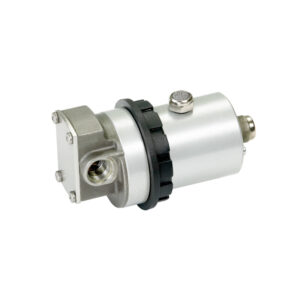
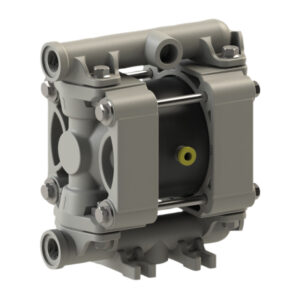
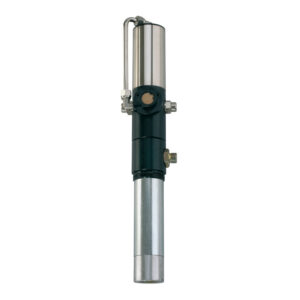
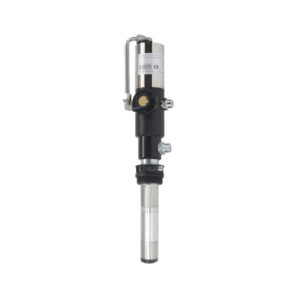
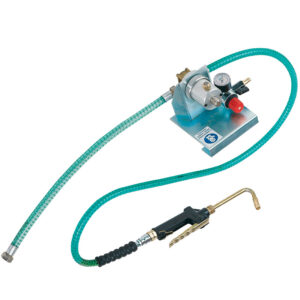
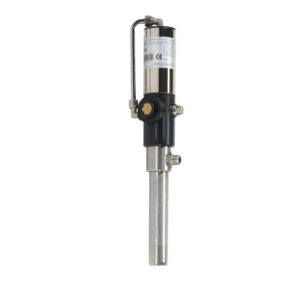
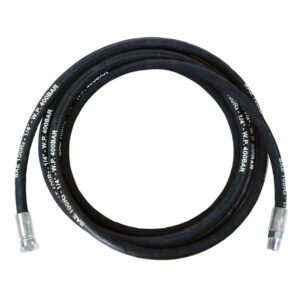
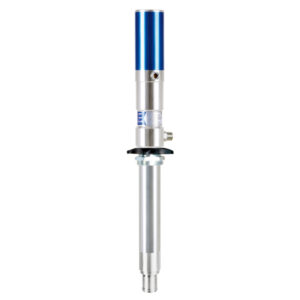
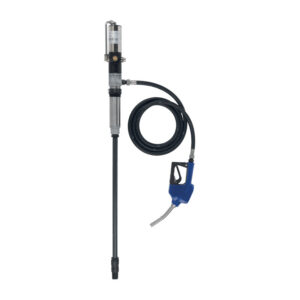
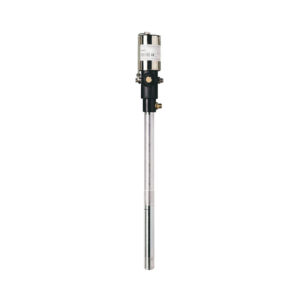
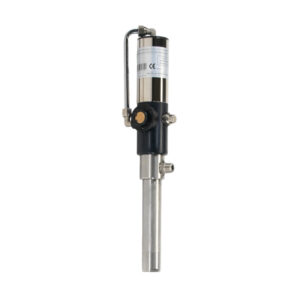
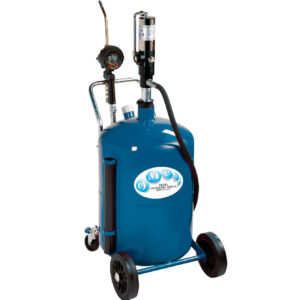
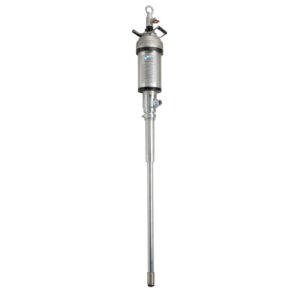
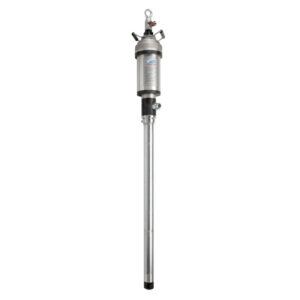
Air-operated pumps are pneumatic fluid handling devices used in industrial and automotive workshops for dispensing oil, antifreeze, waste oil and other fluids. These pumps use compressed air to drive a diaphragm or piston mechanism, enabling output pressures from around 9 bar to 80 bar and flow rates from 10-15 l/min up to 67 l/min. They are suited to medium and high viscosity fluids and often meet CE or ATEX safety standards.
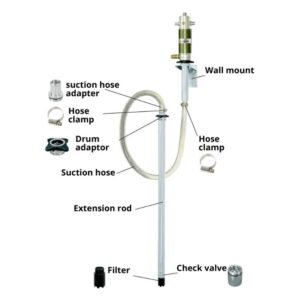
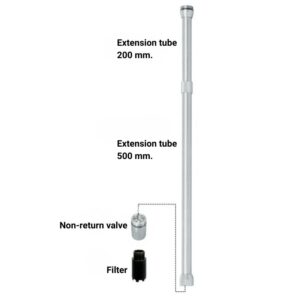
This category includes single-acting air-operated pneumatic oil pumps with ratios such as 1.3:1 and 2.7:1 for moderate pressure applications. There are also double-acting pumps with higher ratio settings like 5:1, designed for greater pressure delivery. Among the range you will find analogue pump variants built for wall or drum mounting, units with stainless steel components, waste oil and antifreeze handling kits, and complete pneumatic transfer systems including accessories like drum adapters and oil hoses to support full fluid handling setups. Output flow, pressure capability and mounting type vary across the selection.
Air-operated pumps are commonly applied in automotive repair shops, fuel stations, maintenance depots, and industrial facilities where precise oil and antifreeze dispensing is required. They are used for waste oil evacuation, chemical fluid transfer, fluid dispensing into engines or gearboxes, and drum or tank draining. Common related uses include oil transfer, viscous fluid handling, and fluid dispensing systems. Environments often demand compatibility with aggressive fluids, spill prevention, safe operation under pressure and compliance with fluid handling safety standards.
These pumps are driven by compressed air and operate via a diaphragm or piston mechanism. Key technical characteristics include compression or pressure ratio (such as 1.3:1, 2.7:1, 5:1, 10:1), acting type (single-acting vs double-acting), flow rate (approx. 10-67 liters per minute), and maximum output pressure (from 9 bar up to 80 bar). Fluid inlet and outlet connection sizes, air consumption rate at given bar pressure, material construction (often stainless steel or compatible metals), and mounting style (drum-mounted, wall-mounted, wheeled units) are central specifications.
Common variations include single-acting pumps delivering fluid on one stroke, versus double-acting versions pushing and pulling fluid for higher efficiency; different ratio settings to match fluid viscosity; and accessory kits for hoses, adapters, and transfer systems. Selection considerations involve the fluid’s viscosity and chemical compatibility, ambient temperature, required flow and pressure, air supply capacity (bar and volume), safety ratings like CE marking or explosion-proof standards, and suitability for mounting or mobility in the facility.
MEMIDOS serves procurement professionals through a global B2B marketplace offering air-operated pumps directly from verified manufacturers and suppliers. By eliminating intermediaries, buyers benefit from more efficient sourcing and competitive pricing. Transactions are secured via an escrow-based payment system: funds are held until order conditions such as shipment are met, ensuring protection for buyers and reliability for suppliers. Buyers gain access to industrial-grade equipment, full transparency in specifications, and tools suited to international procurement. The platform supports streamlined sourcing of technical equipment without sacrifices in quality or specification.
English
Български (Bulgarian)
Hrvatski (Croatian)
Čeština (Czech)
Dansk (Danish)
Nederlands (Dutch)
Suomi (Finnish)
Français (French)
Deutsch (German)
Ελληνικά (Greek)
Magyar (Hungarian)
Italiano (Italian)
Norsk bokmål (Norwegian Bokmål)
Polski (Polish)
Português (Portuguese (Portugal))
Română (Romanian)
Русский (Russian)
Español (Spanish)
Svenska (Swedish)
Türkçe (Turkish)