
Cart
No products in the cart.
 English
 Български (Bulgarian)
 Hrvatski (Croatian)
 Čeština (Czech)
 Dansk (Danish)
 Nederlands (Dutch)
 Suomi (Finnish)
 Français (French)
 Deutsch (German)
 Ελληνικά (Greek)
 Magyar (Hungarian)
 Italiano (Italian)
 Norsk bokmål (Norwegian Bokmål)
 Polski (Polish)
 Português (Portuguese (Portugal))
 Română (Romanian)
 Русский (Russian)
 Español (Spanish)
 Svenska (Swedish)
 Türkçe (Turkish)
Showing 1–16 of 111 resultsSorted by popularity
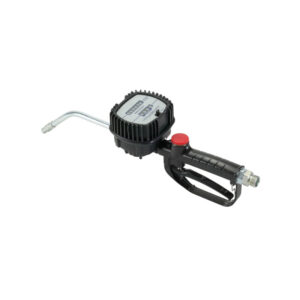
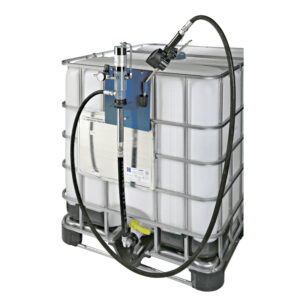
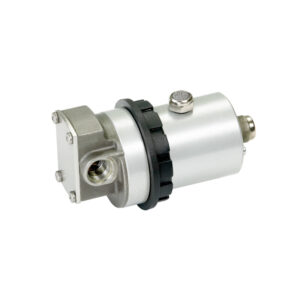
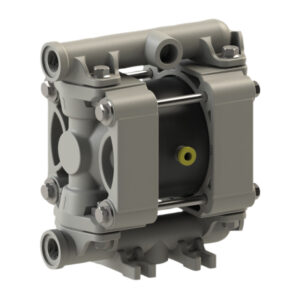
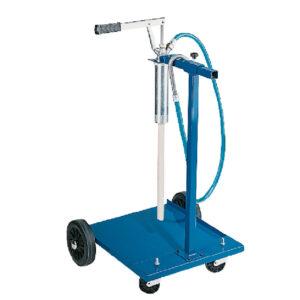
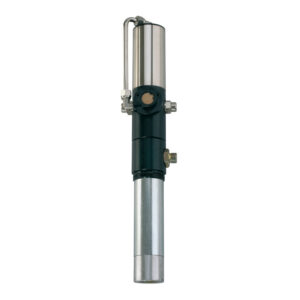
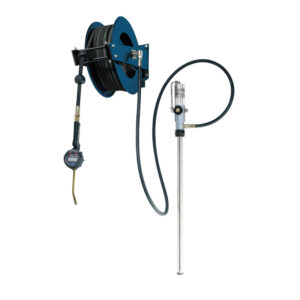
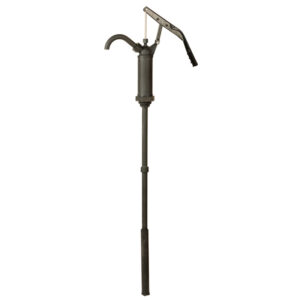
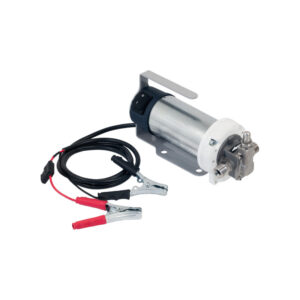
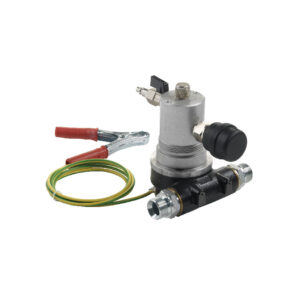
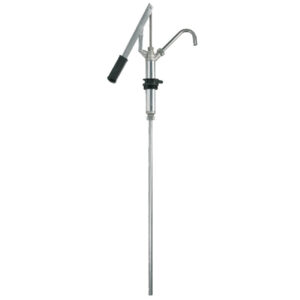
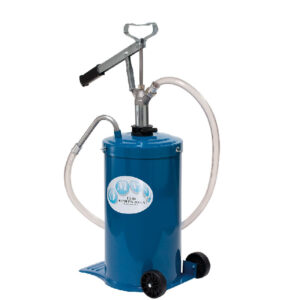
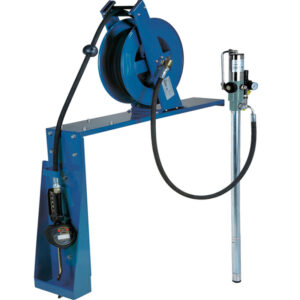
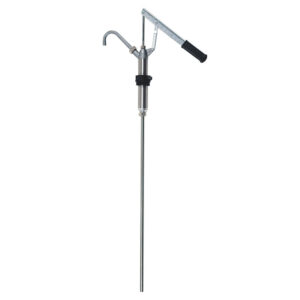
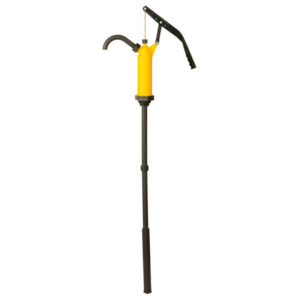
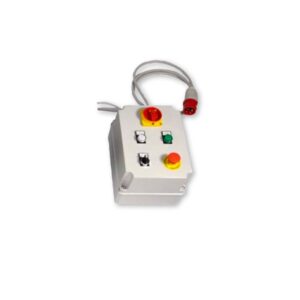
Oil and fluid equipment refers to industrial tools and systems designed for dispensing, pumping, metering, and managing automotive workshop fluids such as oil, antifreeze, and waste oil. This category includes fluid handling and transfer equipment for industrial maintenance and automotive repair environments, essential for technicians, workshop managers, and procurement professionals searching for oil dispensing systems, fluid meters, and related fluid control hardware.
In this category, you will discover systems and tools for fluid transfer and measurement. You will find oil and fluid dispensing systems built for safe, efficient distribution of oils and coolants. There are oil dispensing guns for precise application, meters for tracking usage, and fluid meters for monitoring flow rates. Pumps include hand-operated, air-operated, and electric models, each suited to different power sources and deployment methods. The range also covers grease pumps, accessories for grease pump systems, equipment for handling antifreeze, washing tools, and devices for waste oil handling.
These products are used in automotive repair shops, maintenance facilities, and industrial workshops. Dispensing systems and oil guns aid in accurate filling and servicing of engines, transmissions, and hydraulic components. Fluid meters assist in fluid tracking, billing, and process control in industrial maintenance and fleet services. Pumps—manual, pneumatic, or electric—are used for fluid transfer from drums, tanks or IBC containers. Antifreeze equipment supports coolant maintenance, washing equipment handles cleaning of parts, while waste oil handling ensures environmental compliance. Common applications include fluid transfer equipment and automotive fluid management.
Oil and fluid equipment comprises mechanical and electro-pneumatic assemblies designed for fluid transfer, measurement, and dispensing. Key technical characteristics include flow rate (liters per minute), pump type (hand-operated, air-operated, electric), power requirements (e.g. voltage, air pressure), materials compatible with oils, coolants, antifreeze, or waste oil, and certification for hazardous environments (e.g. ATEX compliance for explosive atmospheres). Typical use cases involve transferring fluids from storage containers, filling engine oil, coolant systems, and managing waste oil. Variations among pumps include single acting vs double diaphragm, self-priming rotary vane, and gear pumps, differing in efficiency, suction lift, and maintenance demands. Pumps may be designed for drum mounting, IBC use, or mobile units. Standards considerations include materials (corrosion resistance), seals compatible with fluid chemistries, temperature tolerance, pressure rating, and compliance with safety and environmental regulations. Selection considerations include ambient temperature, power source availability, fluid viscosity, flow rate needed, chemical compatibility, and whether fluids are hazardous or non-hazardous.
MEMIDOS is a global B2B marketplace connecting industrial buyers directly with manufacturers and suppliers, eliminating intermediaries. Buyers gain efficient procurement with transparent supply chains. Payment handling is secure and escrow-based: funds are held until order conditions such as shipment are met, protecting purchase commitments and ensuring reliability. All industrial products are sourced from verified suppliers, enabling access to oil and fluid equipment that meets technical and compliance standards. The platform simplifies international procurement by providing clear product data, certified supplier credentials and streamlined comparisons, improving sourcing transparency and operational decision making.
English
Български (Bulgarian)
Hrvatski (Croatian)
Čeština (Czech)
Dansk (Danish)
Nederlands (Dutch)
Suomi (Finnish)
Français (French)
Deutsch (German)
Ελληνικά (Greek)
Magyar (Hungarian)
Italiano (Italian)
Norsk bokmål (Norwegian Bokmål)
Polski (Polish)
Português (Portuguese (Portugal))
Română (Romanian)
Русский (Russian)
Español (Spanish)
Svenska (Swedish)
Türkçe (Turkish)