
Cart
No products in the cart.
 English
 Български (Bulgarian)
 Hrvatski (Croatian)
 Čeština (Czech)
 Dansk (Danish)
 Nederlands (Dutch)
 Suomi (Finnish)
 Français (French)
 Deutsch (German)
 Ελληνικά (Greek)
 Magyar (Hungarian)
 Italiano (Italian)
 Norsk bokmål (Norwegian Bokmål)
 Polski (Polish)
 Português (Portuguese (Portugal))
 Română (Romanian)
 Русский (Russian)
 Español (Spanish)
 Svenska (Swedish)
 Türkçe (Turkish)
Showing all 9 resultsSorted by popularity
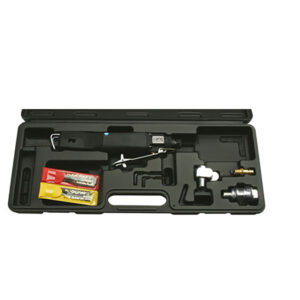
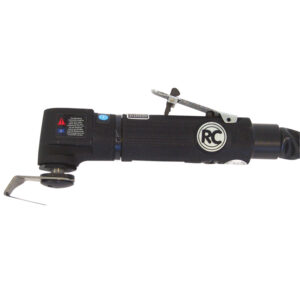
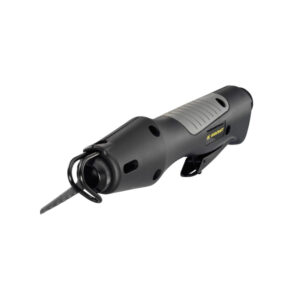
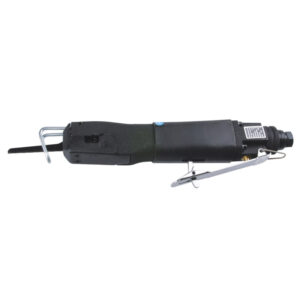
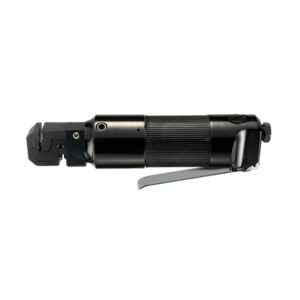
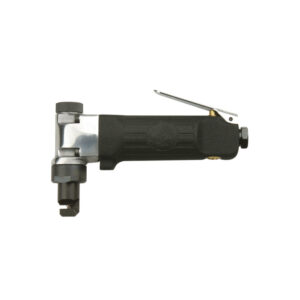
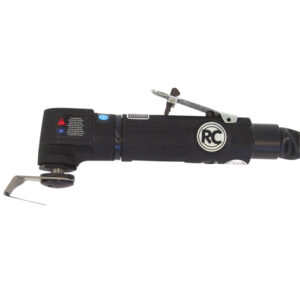
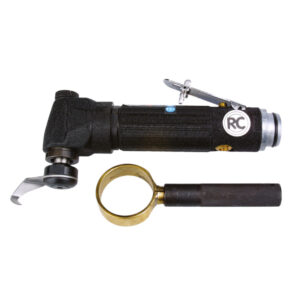
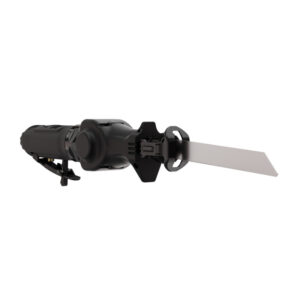
Cutting Tools (Air / Pneumatic) refers to air-powered tools designed to perform cutting and removal tasks using compressed air as the power source. These tools are commonly used by industrial professionals such as sheet metal fabricators, automotive repair technicians, and body shop operators. Common examples include pneumatic saws, multi-cutters, nibblers, punches, oscillation tools, and air-driven cut-off tools.
The category includes a range of air-driven cutting tools such as pneumatic saws, air-powered multi-cutters and oscillation cutters, nibblers for sheet metal, and pneumatic punch-and-welting tools. It also features complete saw sets supplied with accessory blades and cases. Each product is designed for variations of cutting, trimming, hole-punching, and glass or bonded-material removal, using compressed-air operation.
These cutting tools are suited to automotive repair and bodywork, where precise cutting of windscreens or panels is required. In metal fabrication and sheet metal work, nibblers and punch tools enable controlled cutting and hole creation in metal sheets. Multi-cutters and oscillation tools support removal of bonded materials or glass. Typical uses include sheet metal cutting and glass removal.
Air / pneumatic cutting tools use compressed air to drive mechanical cutting or oscillation mechanisms. Key technical characteristics include strokes per minute (spm), stroke length, cutting width, and material thickness capacity. For instance, pneumatic saws may offer stroke lengths of around 10 mm and speeds up to 20,000 strokes/minute. Nibblers are rated by maximum sheet thickness and cutting width. Punch tools are specified by hole diameter and maximum sheet thickness. Materials include aluminium, steel, brass, and copper. Air inlet thread sizes and operating pressure (often around 6.3 bar) are relevant parameters. Common functional variations include saw-type cutting, oscillating or multi-cutter heads, nibblers for precise curves, and punch/welting tools for holes and spot weld removal. Selection depends on operating conditions such as sheet material type, thickness, environment (wet, dusty, or dry), required cutting speed and accuracy. Consider compliance with safety and performance standards (for example, CE marking or equivalent) relevant for pneumatic tools. Tolerances in stroke per minute, vibration levels, exhaust configuration and blade quality are also significant for professional-grade use.
MEMIDOS serves as a global B2B platform connecting industrial buyers directly with verified manufacturers and suppliers. When buying these air-powered cutting tools on MEMIDOS, purchasers avoid intermediaries, leading to more efficient procurement cycles and competitive pricing. Transactions are protected through secure, escrow‐based payment handling: funds are held until order conditions such as correct shipment are met, ensuring buyer security and supplier reliability. The platform provides access to professional-grade tools specifically designed for industrial and automotive applications, enabling transparent sourcing and simplified international trade.
English
Български (Bulgarian)
Hrvatski (Croatian)
Čeština (Czech)
Dansk (Danish)
Nederlands (Dutch)
Suomi (Finnish)
Français (French)
Deutsch (German)
Ελληνικά (Greek)
Magyar (Hungarian)
Italiano (Italian)
Norsk bokmål (Norwegian Bokmål)
Polski (Polish)
Português (Portuguese (Portugal))
Română (Romanian)
Русский (Russian)
Español (Spanish)
Svenska (Swedish)
Türkçe (Turkish)