
Cart
No products in the cart.
 English
 Български (Bulgarian)
 Hrvatski (Croatian)
 Čeština (Czech)
 Dansk (Danish)
 Nederlands (Dutch)
 Suomi (Finnish)
 Français (French)
 Deutsch (German)
 Ελληνικά (Greek)
 Magyar (Hungarian)
 Italiano (Italian)
 Norsk bokmål (Norwegian Bokmål)
 Polski (Polish)
 Português (Portuguese (Portugal))
 Română (Romanian)
 Русский (Russian)
 Español (Spanish)
 Svenska (Swedish)
 Türkçe (Turkish)
Showing all 15 resultsSorted by popularity
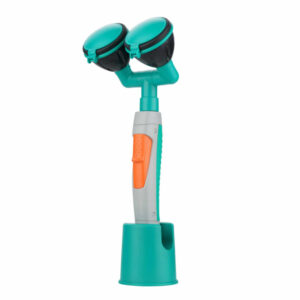

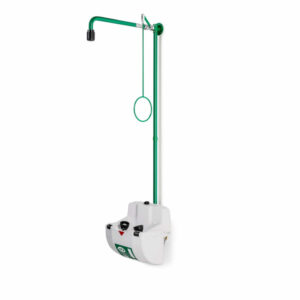


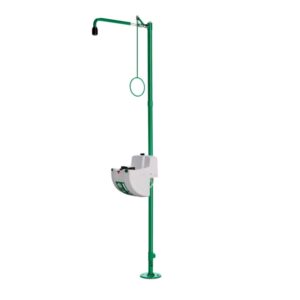
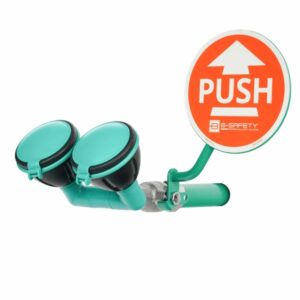
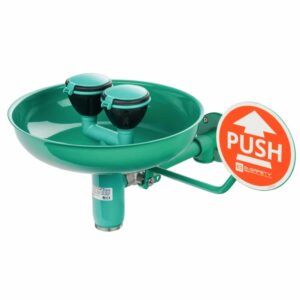
Emergency shower systems are safety equipment installations designed to deliver large volumes of water quickly to wash away hazardous substances from the body, eyes, or face. Common product types include emergency safety showers, eye wash units, body wash showers, and first-aid shower systems. These systems are critical in facilities handling chemicals, corrosives, or risk of splashes.
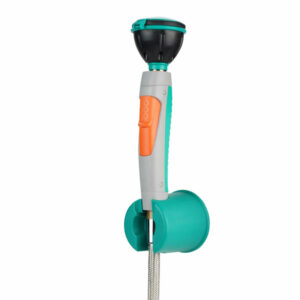
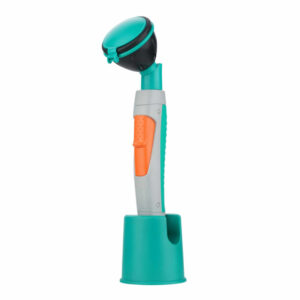
This category includes emergency body showers, wall-mounted or floor-mounted, some combined with eye or face wash units. You will also find hand-eye showers including handheld units with spray nozzles, some with dual 45° nozzles. There are combination systems, featuring body showers plus integrated eye and face units, with collection bowls and lids. Certain models are designed for mounting above doors or in floors. The selection covers different configurations and mounting styles to suit varied spatial layouts and emergency access requirements.
Emergency shower systems are used where chemical exposure, corrosive splashes, or hazardous airborne particles may contact eyes or skin. These systems serve labs, processing plants, manufacturing units, and chemical-handling environments. Typical installations include dedicated eye wash stations and safety body showers. Situations such as accidental chemical spills, splash rinsing, and rapid decontamination all require emergency showers. In industries using acids, solvents, or cleaning agents, these units safeguard personnel by providing immediate flushing of affected areas.
Emergency shower systems are devices engineered to deliver high flow rates, often between 50 and 110 litres per minute for body showers, and lower flows for eye or face units (for example around 7-14 litres per minute per nozzle) depending on size and configuration. They are constructed from materials resistant to corrosion—such as powder-coated steel or corrosion-resistant alloys—and designed for durability under frequent use and harsh conditions. Mounting styles vary: wall-mounted systems include body or hand-eye showers; floor-mounted systems offer freestanding installation; door-mounted systems are positioned above access points; combination units integrate body, eye, and face wash with collection bowls and lids. Standards and compliance are essential: systems reference EN 15154-1, EN 15154-2, EN 15154-5, ANSI Z358.1 and similar norms governing installation, flow rates, water safety, and operation. Key selection considerations include local hazard class, whether the environment is indoors or outdoors, temperature ranges, pressure compatibility, mounting constraints, presence of aggressive chemicals, and ease of activation and freshwater supply.
MEMIDOS is a global B2B platform connecting industrial buyers with verified manufacturers and suppliers. Purchases are made directly from suppliers without intermediaries, enabling procurement professionals to secure emergency shower systems more efficiently and with competitive pricing. Payments are handled via a secure escrow system; funds are held until order conditions—such as verification or shipment—are met, protecting buyers and ensuring payment reliability for suppliers. The platform offers transparency in sourcing and access to technical documentation and product specifications essential for industrial compliance and safety planning.
English
Български (Bulgarian)
Hrvatski (Croatian)
Čeština (Czech)
Dansk (Danish)
Nederlands (Dutch)
Suomi (Finnish)
Français (French)
Deutsch (German)
Ελληνικά (Greek)
Magyar (Hungarian)
Italiano (Italian)
Norsk bokmål (Norwegian Bokmål)
Polski (Polish)
Português (Portuguese (Portugal))
Română (Romanian)
Русский (Russian)
Español (Spanish)
Svenska (Swedish)
Türkçe (Turkish)