
Cart
No products in the cart.
 English
 Български (Bulgarian)
 Hrvatski (Croatian)
 Čeština (Czech)
 Dansk (Danish)
 Nederlands (Dutch)
 Suomi (Finnish)
 Français (French)
 Deutsch (German)
 Ελληνικά (Greek)
 Magyar (Hungarian)
 Italiano (Italian)
 Norsk bokmål (Norwegian Bokmål)
 Polski (Polish)
 Português (Portuguese (Portugal))
 Română (Romanian)
 Русский (Russian)
 Español (Spanish)
 Svenska (Swedish)
 Türkçe (Turkish)
Showing all 10 resultsSorted by popularity
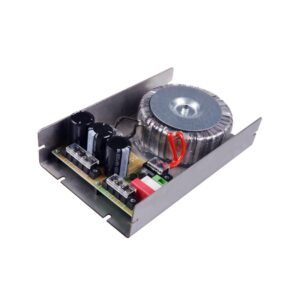
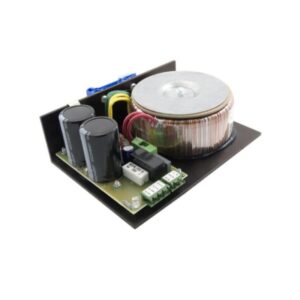
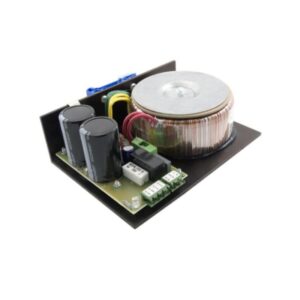
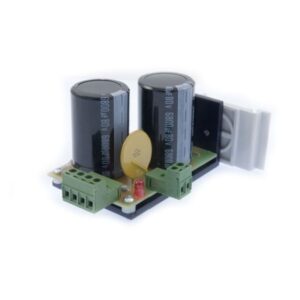
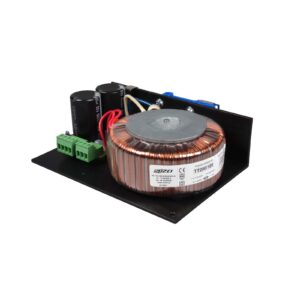
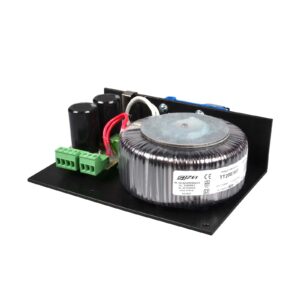
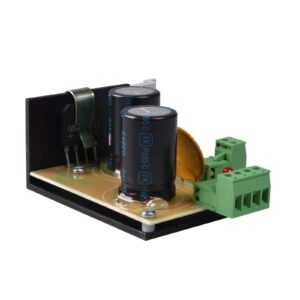
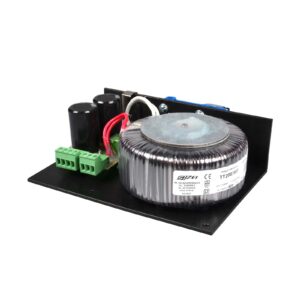
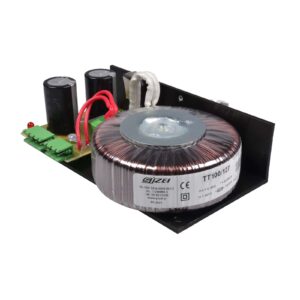
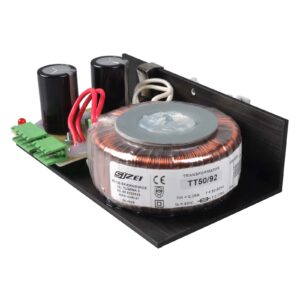
The power sources category offers essential electrical components including power supplies and rectifier modules used in industrial systems and machinery. These products are crucial in providing controlled direct current (DC) power, stabilizing voltage, and converting alternating current (AC) to DC. They serve industrial professionals such as control engineers and electrical procurement specialists seeking dependable power conversion solutions.
This category features two main types of products: power supplies and rectifier modules. Power supplies provide regulated voltage and current output suitable for control systems, automation panels, and industrial electronics. Rectifier modules convert AC input into DC output, often offering specific voltages and current ratings. The products listed include various power supplies with soft start functionality and rectifier modules designed for mid-range voltage and current capacities.
Power supplies and rectifier modules are used extensively in applications such as industrial automation, robotics, and process control systems. They ensure reliable DC power for sensors, actuators, and control circuits. In industries like manufacturing and energy production these components support control panels, switching systems, or power distribution boards. Secondary targets include control cabinets and electronic drive units, where stable DC input is essential for performance and system lifespan.
Power supplies are devices that convert input power—usually AC mains—into stable DC output with defined voltage and current limits. They may include features such as soft-start to limit inrush current. Rectifier modules perform the AC-to-DC conversion function and may be standalone or integrated within larger assemblies. Key technical parameters include input voltage range, output voltage and current rating, power capacity (watts), efficiency, ripple and regulation, and thermal performance. Some power supplies include multiple output channels or variable voltage adjustment; rectifier modules may differ in topology or phase handling. Material construction should allow sufficient heat dissipation—typically via metal enclosures or heatsinks. Ratings such as IP protection classes may matter in humid or dusty environments. In selection, considerations include compatibility with AC source frequency (e.g., 50/60 Hz), output characteristics (voltage stability, current load), operating temperature range, cooling requirements, and compliance with relevant safety and EMC standards.
MEMIDOS is a global B2B platform connecting industrial buyers directly with verified manufacturers and suppliers of electrical components. Direct purchasing eliminates middle men, enabling more streamlined procurement and improved pricing transparency. Fund transfers are handled using a secure escrow system, where payment is held by MEMIDOS until order conditions such as shipment are fulfilled—this ensures protection for buyers while confirming reliability for suppliers. Access to quality power supplies and rectifier modules from trusted sources makes support of critical industrial systems more consistent and sourcing more transparent at every stage.
English
Български (Bulgarian)
Hrvatski (Croatian)
Čeština (Czech)
Dansk (Danish)
Nederlands (Dutch)
Suomi (Finnish)
Français (French)
Deutsch (German)
Ελληνικά (Greek)
Magyar (Hungarian)
Italiano (Italian)
Norsk bokmål (Norwegian Bokmål)
Polski (Polish)
Português (Portuguese (Portugal))
Română (Romanian)
Русский (Russian)
Español (Spanish)
Svenska (Swedish)
Türkçe (Turkish)