
Cart
No products in the cart.
 English
 Български (Bulgarian)
 Hrvatski (Croatian)
 Čeština (Czech)
 Dansk (Danish)
 Nederlands (Dutch)
 Suomi (Finnish)
 Français (French)
 Deutsch (German)
 Ελληνικά (Greek)
 Magyar (Hungarian)
 Italiano (Italian)
 Norsk bokmål (Norwegian Bokmål)
 Polski (Polish)
 Português (Portuguese (Portugal))
 Română (Romanian)
 Русский (Russian)
 Español (Spanish)
 Svenska (Swedish)
 Türkçe (Turkish)
Showing all 6 resultsSorted by popularity
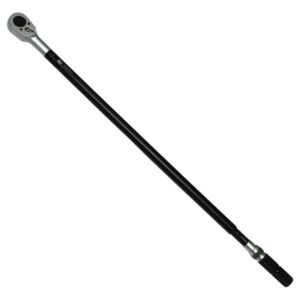
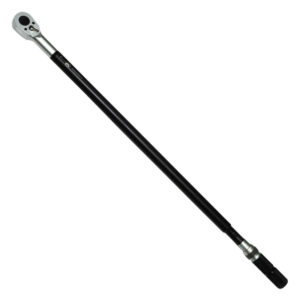
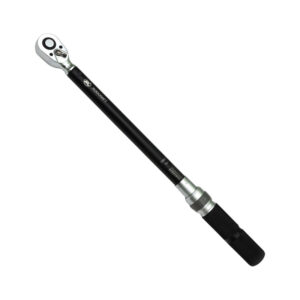
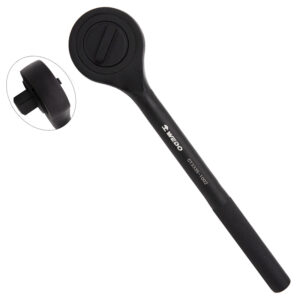
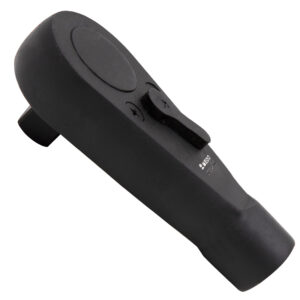
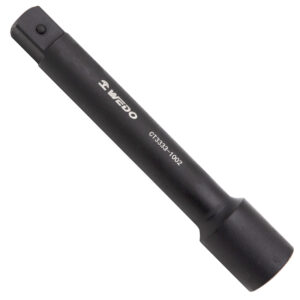
Socket spanner refers to hand tools used to tighten or loosen fasteners by means of a socket—typically a cylindrical head that fits over bolts or nuts. This category encompasses ratchet wrenches, extension bars, and chrome-steel spanners in various drive sizes. Industrial buyers use socket spanners for mechanical, automotive, and heavy-duty maintenance applications where torque control, durability, and compatibility with metric or inch fasteners are required.
The page features ratchet wrenches in different material constructions, including chrome steel versions and stainless steel options. There are also extension bars designed to increase reach, particularly useful in tight or recessed areas. The socket spanner types span both metric and inch drive-sized tools. Some ratchet wrenches include variants made of non-sparking metals such as aluminium bronze. All products are steel hand tools focused on socket-based fastening systems.
Socket spanners are regularly used in maintenance and repair, assembly, and service operations across industries like automotive, manufacturing, marine, and oil and gas. They are important when working in hazardous or explosive environments where torque control and non-sparking tools may be required. They are used wherever fasteners must be reliably tightened or loosened with precise drive sizes, in corrosive or clean environments (stainless steel), or where spark risk is present (non-sparking materials).
Socket spanners function by transmitting torque from a handle or ratchet mechanism through a socket interface to a bolt or nut. Key technical characteristics include drive size (for example 1/4", 1/2", metric vs inch), maximum torque rating, free-speed or run-out RPM (for powered or pneumatic variants), material construction (chrome steel, stainless steel, aluminium bronze, etc.), hardness or material strength, and environmental suitability (corrosion-resistance, non-sparking, etc.). Variations differ functionally: a straight ratchet provides direct access; pneumatic ratchets deliver power through compressed air; extension bars allow reach into recesses. Certifications such as ATEX or BAM may apply to non-sparking tools intended for explosive atmospheres. When selecting tools, factors like load (torque demand), ambient conditions (corrosive, spark-hazardous, wet), fastener type and size, compatibility with sockets, ergonomic grip, and power source (manual versus pneumatic) are essential for safe and effective use.
MEMIDOS operates as a global B2B platform connecting industrial equipment buyers directly with international manufacturers and verified suppliers. Procurement through MEMIDOS removes middle-men, supporting more efficient sourcing and clearer pricing. The platform offers secure, escrow-based payment handling: funds are held until agreed order conditions like shipment are met, protecting both buyer and supplier. Industrial buyers benefit from access to a curated range of high-quality socket spanners and related tools from certified sources. With international procurement simplified and supply chain transparency enhanced, MEMIDOS supports operational buying with trust and control.
English
Български (Bulgarian)
Hrvatski (Croatian)
Čeština (Czech)
Dansk (Danish)
Nederlands (Dutch)
Suomi (Finnish)
Français (French)
Deutsch (German)
Ελληνικά (Greek)
Magyar (Hungarian)
Italiano (Italian)
Norsk bokmål (Norwegian Bokmål)
Polski (Polish)
Português (Portuguese (Portugal))
Română (Romanian)
Русский (Russian)
Español (Spanish)
Svenska (Swedish)
Türkçe (Turkish)