
Cart
No products in the cart.
 English
 Български (Bulgarian)
 Hrvatski (Croatian)
 Čeština (Czech)
 Dansk (Danish)
 Nederlands (Dutch)
 Suomi (Finnish)
 Français (French)
 Deutsch (German)
 Ελληνικά (Greek)
 Magyar (Hungarian)
 Italiano (Italian)
 Norsk bokmål (Norwegian Bokmål)
 Polski (Polish)
 Português (Portuguese (Portugal))
 Română (Romanian)
 Русский (Russian)
 Español (Spanish)
 Svenska (Swedish)
 Türkçe (Turkish)
Showing all 14 resultsSorted by popularity
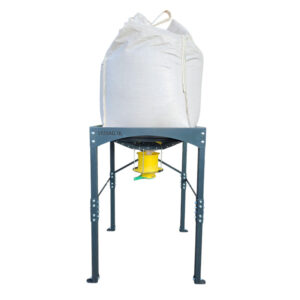
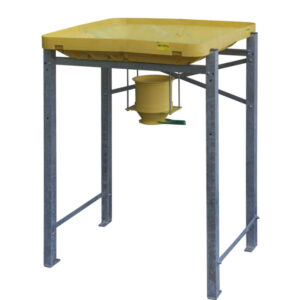
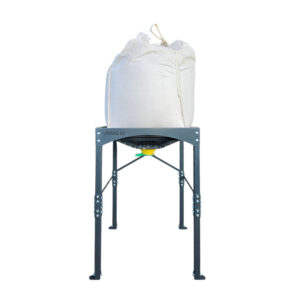
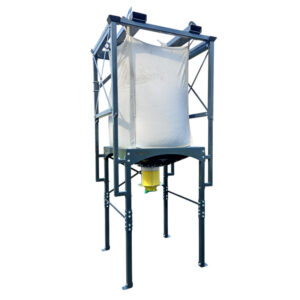
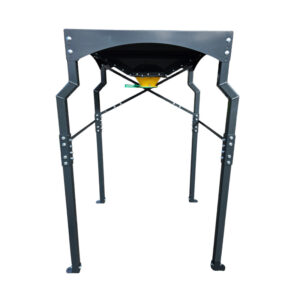
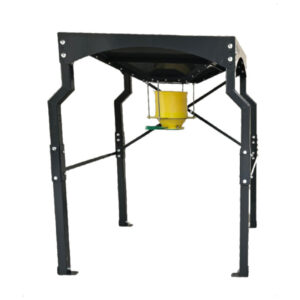
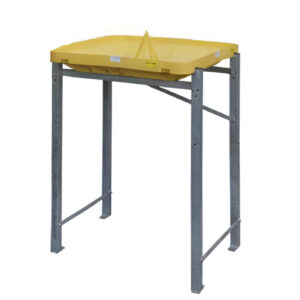
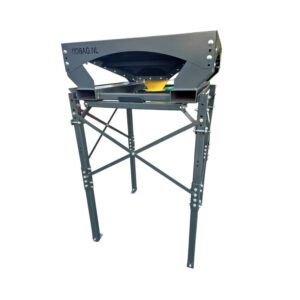
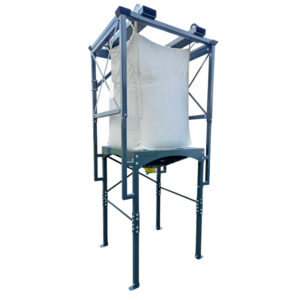
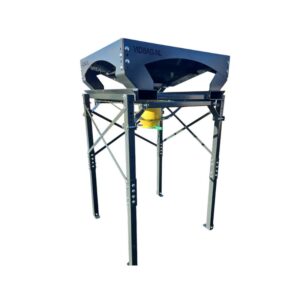
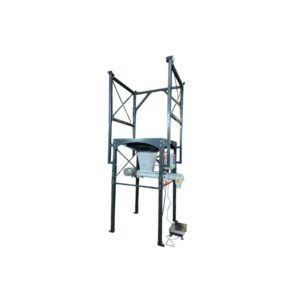
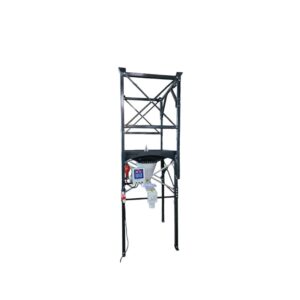
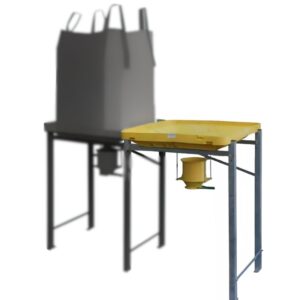
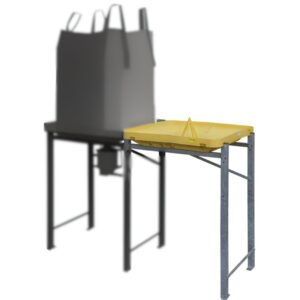
Big bag discharge stations are industrial equipment used to safely and efficiently unload bulk solids from large flexible intermediate bulk containers (FIBCs), often called big bags. These stations include configurations such as funnel and skewer styles, and variants for powder materials. They are essential in production logistics, heavy-duty manufacturing and bulk material handling installations where controlled discharge and dust control are critical. Key terms include bulk bag unloader, material discharge, powder station, funnel discharge, and skewer discharge.
This category contains several distinct big bag discharge station types and related extensions. These include funnel-style stations designed for general discharge, and skewer-style stations which use a piercing mechanism for discharge under load. There are stations tailored for powder materials, such as high-intensity funnel or high-intensity skewer gear, as well as pallet-adapted skewer and pallet funnel variants for integrating with palletised workflows. Also available are discharge station extensions for both funnel and skewer types. You will also find stainless steel discharge station versions.
Big bag discharge stations are used in applications where large volumes of granular, powdered or blended bulk solids need to be unloaded reliably—such as in chemicals, food ingredients, mineral powders or construction additives. They support precise material discharge, aiding in batching and dosing to maintain consistency and quality. Secondary tasks often address dust control and housing compatibility with downstream feeders or conveyors. These stations are commonly found in production plants where hygiene, containment, and stability during discharge are necessary operational concerns.
Big bag discharge stations are engineered platforms that hold a suspended big bag and permit material to flow out via a discharge interface. Two common functional styles are funnel discharge stations, where material exits via a tapered hopper or funnel; and skewer discharge stations, where a spout is pierced or cut open by a skewer-like mechanism. Powder stations are specialised versions optimised for fine particulate handling, minimising bridging and caking.
Key technical characteristics include discharge interface design (funnel angle, spout size, and skewer mechanism), capacity range (load the bag frame must support), material of construction (stainless steel for hygienic or corrosive environments), and integration with pallet systems when higher positional stability or pallet handling is required. Performance parameters often concern flow rate, powder tightness, dust emission controls, and compatibility with downstream equipment. Some units may include dosing screws or extensions to adjust discharge length and control.
Typical use cases include dosing powders into mixers, feeding raw materials into reactors, conveying bulk solids into packaging lines, or integrating into modular process plants. Variations differ in how they manage flow: funnel models rely on gravity and funnel geometry; skewer models rely on spout opening; powder models include additional measures against dust and poor flow. Standards or compliance may involve hygiene certifications, food-grade suitability, or explosion protection if used in combustible dust zones. Selection considerations include environment (dry or humid), toxicity or food safety, load capacity, spout/skewer compatibility with existing process connections, cleaning ability, and material abrasion resistance or corrosion.
MEMIDOS is a global B2B platform for industrial equipment that connects buyers directly with verified manufacturers and suppliers. By eliminating intermediaries, buyers gain access to big bag discharge stations more efficiently and benefit from competitive pricing. The platform uses a secure escrow-based payment system: funds are held until defined order conditions—such as shipment or delivery—are met, which provides protection for buyers and ensures suppliers receive payment reliability. MEMIDOS offers access to high-quality industrial products from certified sources, and simplifies international procurement by improving transparency in sourcing and offering direct contact with producers.
English
Български (Bulgarian)
Hrvatski (Croatian)
Čeština (Czech)
Dansk (Danish)
Nederlands (Dutch)
Suomi (Finnish)
Français (French)
Deutsch (German)
Ελληνικά (Greek)
Magyar (Hungarian)
Italiano (Italian)
Norsk bokmål (Norwegian Bokmål)
Polski (Polish)
Português (Portuguese (Portugal))
Română (Romanian)
Русский (Russian)
Español (Spanish)
Svenska (Swedish)
Türkçe (Turkish)