
Cart
No products in the cart.
 English
 Български (Bulgarian)
 Hrvatski (Croatian)
 Čeština (Czech)
 Dansk (Danish)
 Nederlands (Dutch)
 Suomi (Finnish)
 Français (French)
 Deutsch (German)
 Ελληνικά (Greek)
 Magyar (Hungarian)
 Italiano (Italian)
 Norsk bokmål (Norwegian Bokmål)
 Polski (Polish)
 Português (Portuguese (Portugal))
 Română (Romanian)
 Русский (Russian)
 Español (Spanish)
 Svenska (Swedish)
 Türkçe (Turkish)
Showing 1–16 of 170 resultsSorted by popularity



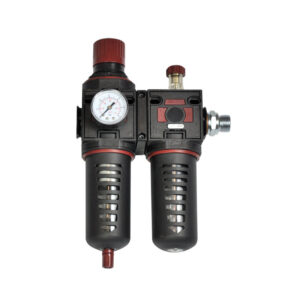
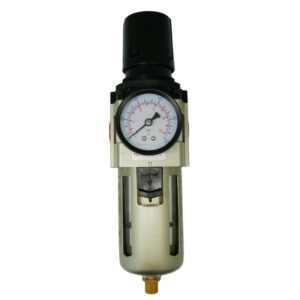
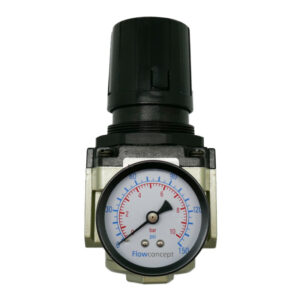

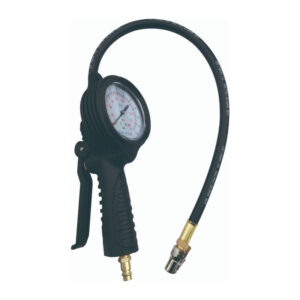
Compressed air and vacuum refers to industrial equipment systems that generate, treat, and distribute pressurized air or create negative pressure (vacuum) for use in manufacturing, maintenance, and processing operations. Common components include air compressors, air treatment devices, hoses, and air-operated (pneumatic) tools and fittings. These systems are essential for delivering clean, high-pressure air and vacuum for downstream applications.
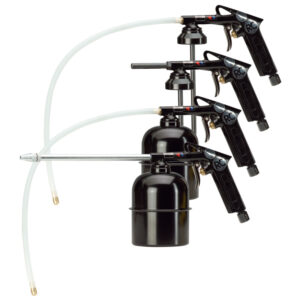
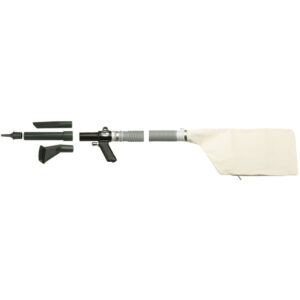
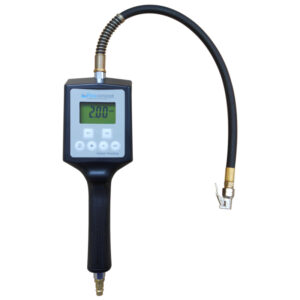
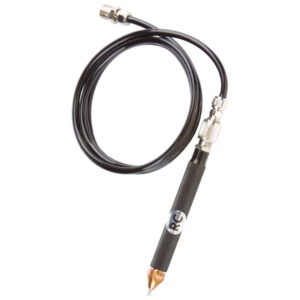
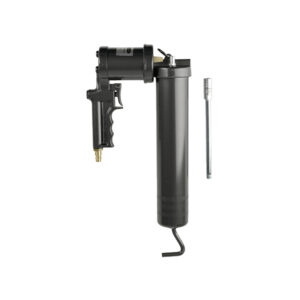
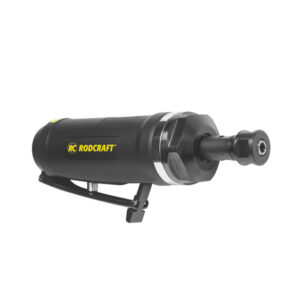
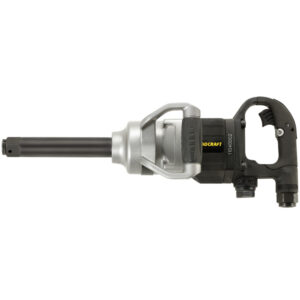
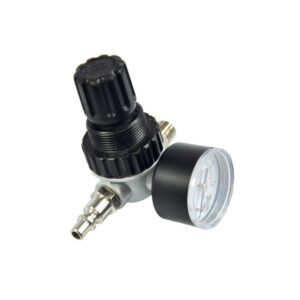
This category features several types of equipment related exclusively to compressed air and vacuum systems. You will find air compressors for generating pressure, compressed air hoses used for transmission of air, and air treatment units such as filters, regulators, and dryers for managing air quality and pressure. Pneumatic tools are represented through impact wrenches, ratchets, air screwdrivers, air grinders, polishers, cutting tools, riveting tools, chisels and hammers, air blow guns, spray guns, and grease guns. Also included are pneumatic fittings and air connectors to integrate system components.
The products in this category serve numerous industrial functions. Air compressors and treatment units are used in facilities where clean, dry air is required for control systems, arts of fabrication, or instrumentation. Pneumatic tools enable operations such as metal cutting, riveting, grinding, impact fastening, spray coating, and air blowing for surface cleaning or masking. Compressed air hoses and fittings are used in workshops and production lines to connect tools and machinery under varying pressures. This equipment is common in automotive repair, metal fabrication, painting and surface finishing, and general maintenance.
Compressed air and vacuum systems are designed to produce air at specific pressure and cleanliness levels. Air compressors are rated by maximum delivery pressure (bar or psi) and flow rate (litres per minute or CFM). Hoses are specified by diameter, length, working pressure, and material (e.g., polyurethane or rubber) affecting flexibility and durability. Air treatment includes regulators to maintain pressure, filters to remove particulates, moisture separators, and sometimes dryers to keep dew point acceptable.
Pneumatic tools vary in impact energy (joules), speed (BPM or RPM), airflow consumption, and compatibility with hose coupling standards. Tools like grinders, cutting tools, and chisel hammers differ by the power needed for specific industrial tasks. Fittings and connectors follow thread or coupling standards ensuring leak-tight connections under pressure. Variations include single-stage versus multi-stage compressors, and tools built for high torque versus speed.
Standards may include ISO classifications for air quality, pressure vessel safety standards, and hose safety ratings. Material compatibility, ambient temperature, duty cycle, and noise levels are key parameters. Buyers should consider whether the environment is wet, dusty, or exposed, and how stable the air quality must be for downstream equipment.
MEMIDOS is a global B2B industrial platform connecting procurement professionals with verified manufacturers and suppliers. Buyers access compressed air and vacuum equipment directly, without intermediaries, enabling procurement with more efficient lead times and clearer cost structures. Payment is handled securely via escrow, where funds are held until order conditions—such as proof of shipment—are met, ensuring mutual protection. The platform provides access to high-quality industrial products from trusted suppliers, simplifying international sourcing and enhancing transparency in global supply chains.
English
Български (Bulgarian)
Hrvatski (Croatian)
Čeština (Czech)
Dansk (Danish)
Nederlands (Dutch)
Suomi (Finnish)
Français (French)
Deutsch (German)
Ελληνικά (Greek)
Magyar (Hungarian)
Italiano (Italian)
Norsk bokmål (Norwegian Bokmål)
Polski (Polish)
Português (Portuguese (Portugal))
Română (Romanian)
Русский (Russian)
Español (Spanish)
Svenska (Swedish)
Türkçe (Turkish)