
Cart
No products in the cart.
 English
 Български (Bulgarian)
 Hrvatski (Croatian)
 Čeština (Czech)
 Dansk (Danish)
 Nederlands (Dutch)
 Suomi (Finnish)
 Français (French)
 Deutsch (German)
 Ελληνικά (Greek)
 Magyar (Hungarian)
 Italiano (Italian)
 Norsk bokmål (Norwegian Bokmål)
 Polski (Polish)
 Português (Portuguese (Portugal))
 Română (Romanian)
 Русский (Russian)
 Español (Spanish)
 Svenska (Swedish)
 Türkçe (Turkish)
Showing all 16 resultsSorted by popularity
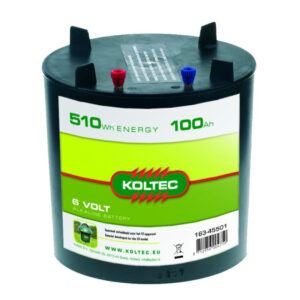
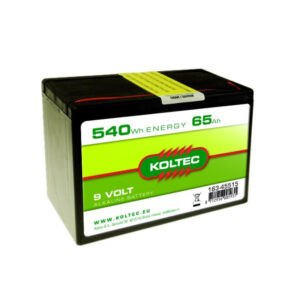
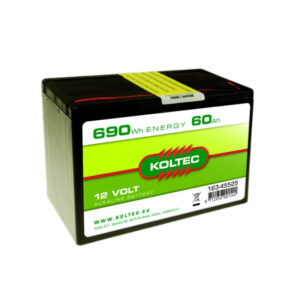
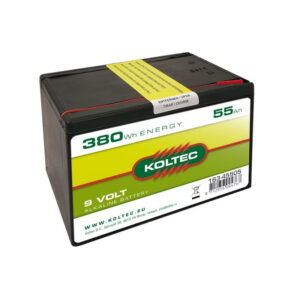
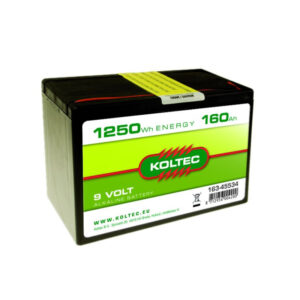
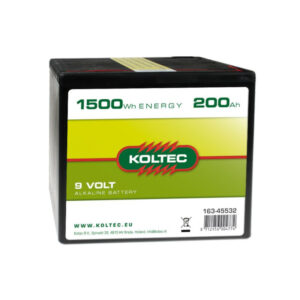
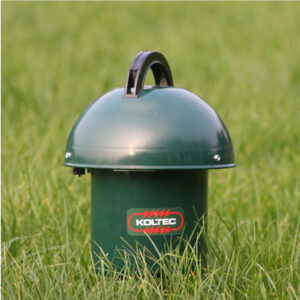
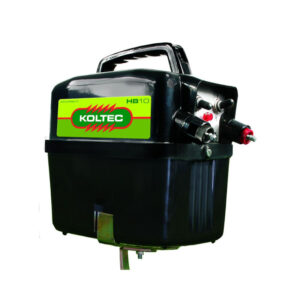
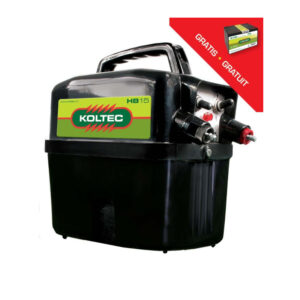
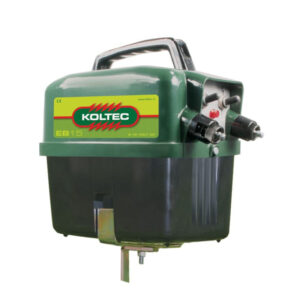
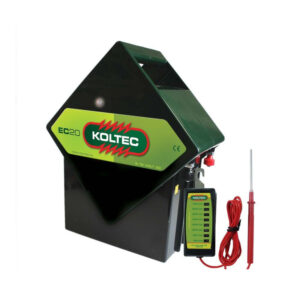
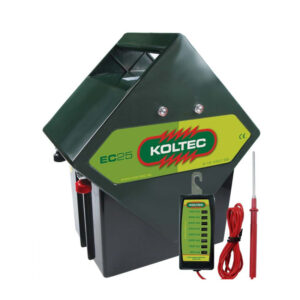
A battery powered electric fence energiser is a device that supplies pulsed voltage using a dedicated battery, designed to maintain live fencing systems without mains electricity. These energisers are key in remote agriculture or forestry settings where stable power sources are not available. They are often rated by voltage and energy output to match livestock containment, wildlife control, or boundary delineation needs.
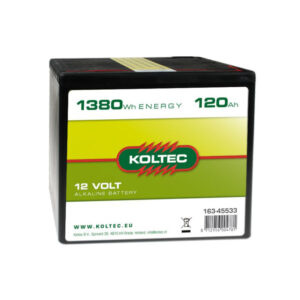
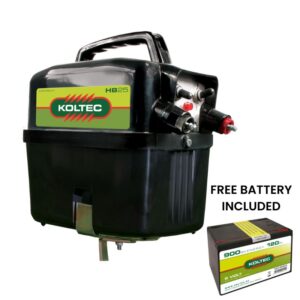
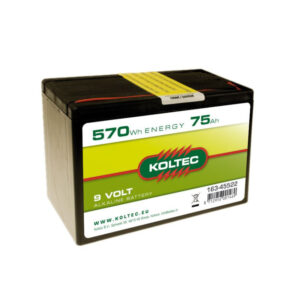
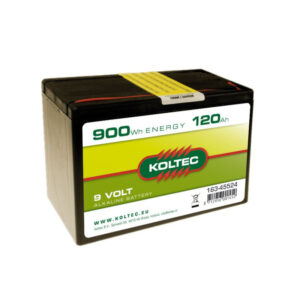
This category features two distinct types of products: batteries used to power electric fence energisers, and the energisers themselves. Batteries are listed with specifications such as voltage (e.g. 6 V, 9 V, 12 V), energy storage in watt-hours, and amp-hour capacity. The energisers are battery-powered units designed for field or portable use, with each model showing voltage and output ratings. Some energisers are labelled with designations like HB, EC, EB, and ST to indicate different performance levels or casing styles.
Battery powered electric fence energisers are used in agricultural operations for securing livestock, controlling grazing areas, and preventing animal intrusion into crops. In forestry, these energisers protect young trees and forest boundaries from wildlife damage. Remote pastures, game reserves, and conservation sites utilize these systems where solar or 230V mains power is unavailable. They require proper voltage regulation and sufficient energy storage to ensure reliable power pulses and animal safety.
In industrial and agricultural settings, a battery powered electric fence energiser functions by releasing high-voltage pulses at intervals to maintain an effective barrier. Key technical characteristics include battery voltage (commonly 6, 9 or 12 volts), watt-hour storage capacity, and amp-hour ratings. Output pulse energy and voltage determine how far the current can travel along fencing wire and through vegetation, affecting containment performance and safety. Variations among energisers include portable vs stationary units, and different output classes indicated by model designations such as HB, EB, EC, ST, each suited to load-handling or environmental durability. Materials include weather-resistant plastic or sealed housings, with internal circuits designed to meet safety standards relevant to high-voltage fencing equipment. Certification for electrical safety, protection against short-circuit and over-charge, and compatibility with earthing systems are important. Selection considerations include climate exposure, fence length, livestock type or wildlife risk, battery recharge cycle, and compatibility with existing fence components.
MEMIDOS offers a global B2B platform connecting industrial buyers directly with verified manufacturers and suppliers, eliminating intermediaries and streamlining procurement. Buyers benefit from secure escrow-based payment handling, where funds are held until order conditions like shipment are met, protecting both buyer and supplier. The catalogue provides access to high-quality industrial fence energisers and batteries without inflated costs. The platform supports transparent sourcing, allows international procurement with technical and specification clarity, and helps procurement professionals ensure efficiency and reliability in their industrial operations.
English
Български (Bulgarian)
Hrvatski (Croatian)
Čeština (Czech)
Dansk (Danish)
Nederlands (Dutch)
Suomi (Finnish)
Français (French)
Deutsch (German)
Ελληνικά (Greek)
Magyar (Hungarian)
Italiano (Italian)
Norsk bokmål (Norwegian Bokmål)
Polski (Polish)
Português (Portuguese (Portugal))
Română (Romanian)
Русский (Russian)
Español (Spanish)
Svenska (Swedish)
Türkçe (Turkish)