
Cart
No products in the cart.
 English
 Български (Bulgarian)
 Hrvatski (Croatian)
 Čeština (Czech)
 Dansk (Danish)
 Nederlands (Dutch)
 Suomi (Finnish)
 Français (French)
 Deutsch (German)
 Ελληνικά (Greek)
 Magyar (Hungarian)
 Italiano (Italian)
 Norsk bokmål (Norwegian Bokmål)
 Polski (Polish)
 Português (Portuguese (Portugal))
 Română (Romanian)
 Русский (Russian)
 Español (Spanish)
 Svenska (Swedish)
 Türkçe (Turkish)
Showing all 6 resultsSorted by popularity
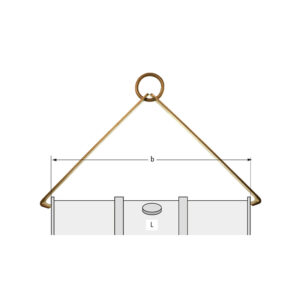
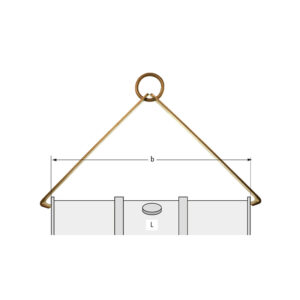
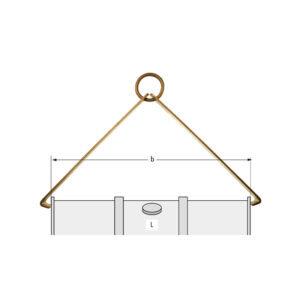
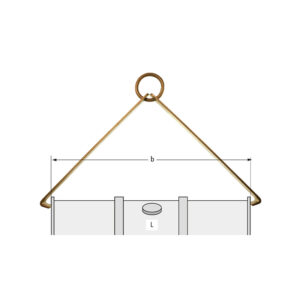
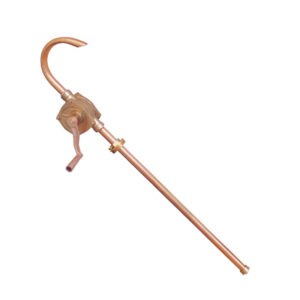
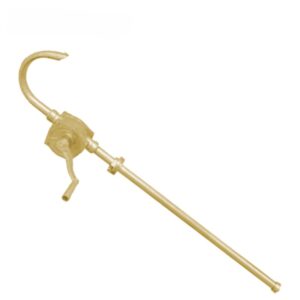
Oil handling tools - non-sparking comprise specialised hand tools designed to safely handle, transfer, and move oil and oil‐containing equipment or vessels in environments with flammable vapors. These tools are made from non-sparking materials such as aluminium bronze and beryllium copper to prevent ignition and combustion risks. They are essential for industrial professionals in sectors like petrochemical processing, refining, marine, and energy production.
This category contains non-sparking oil handling tools in aluminium bronze and beryllium copper. The product types include barrel hooks (fixed or with adjustable chain) and manual portable oil pumps. Each type is available in both non-sparking material options. The selection is limited to tools directly involved in handling oil: lifting or suspending oil barrels, moving oil via hand pumps, and managing oil flow safely.
Non-sparking oil handling tools are used wherever oil barrels need safe positioning, transfer, or dispensing under hazardous conditions. Barrel hooks allow safe lifting, securing or suspending oil drums without generating sparks. Manual oil pumps are used to transfer oil between containers or equipment by hand, avoiding electric or mechanical ignitions. Related equipment includes oil spill containment tools and flammable liquids handling gear.
This product category includes tools whose primary function is to manage oil—lifting, hooking, pumping—while maintaining safety in environments with flammable gases or vapors. Key technical characteristics comprise material selection: aluminium bronze and beryllium copper are chosen for non-sparking and non-magnetic properties. These materials are corrosion-resistant and suitable for petroleum atmospheres. Dimensions of barrel hooks vary by hook opening size and chain length; manual portable pumps are defined by flow rate, hose diameter, stroke type, and compatibility with oil viscosity.
Typical use cases include oil drum handling (lifting and securing), oil transfer via hand pumping, and operation in areas classified hazardous zones. Functional variations include fixed barrel hooks versus chain-adjustable hooks, and pump types suited to oil volume and hand-operated torque. Standards to consider include applicable fire codes and safety regulations governing tools in explosive atmospheres (for example classification of zones and intrinsic safety ratings). Selection requires understanding of environment (temperature, vapor concentration), oil type (viscosity, chemical compatibility), tool capacity (load rating for barrel hooks, pump output), and required durability.
MEMIDOS is a global B2B marketplace offering industrial products including non-sparking oil handling tools. Buyers access direct supply from manufacturers and verified suppliers without intermediaries, enabling procurement that is more efficient. A secure escrow payment system holds funds until key order conditions, such as shipment, are met, ensuring buyer protection and supplier certainty. With MEMIDOS, procurement professionals can source high-quality non-sparking oil barrels hooks, manual oil pumps, and related tools with improved transparency in sourcing and consistent global reach.
English
Български (Bulgarian)
Hrvatski (Croatian)
Čeština (Czech)
Dansk (Danish)
Nederlands (Dutch)
Suomi (Finnish)
Français (French)
Deutsch (German)
Ελληνικά (Greek)
Magyar (Hungarian)
Italiano (Italian)
Norsk bokmål (Norwegian Bokmål)
Polski (Polish)
Português (Portuguese (Portugal))
Română (Romanian)
Русский (Russian)
Español (Spanish)
Svenska (Swedish)
Türkçe (Turkish)