
Cart
No products in the cart.
 English
 Български (Bulgarian)
 Hrvatski (Croatian)
 Čeština (Czech)
 Dansk (Danish)
 Nederlands (Dutch)
 Suomi (Finnish)
 Français (French)
 Deutsch (German)
 Ελληνικά (Greek)
 Magyar (Hungarian)
 Italiano (Italian)
 Norsk bokmål (Norwegian Bokmål)
 Polski (Polish)
 Português (Portuguese (Portugal))
 Română (Romanian)
 Русский (Russian)
 Español (Spanish)
 Svenska (Swedish)
 Türkçe (Turkish)
Showing all 11 resultsSorted by popularity
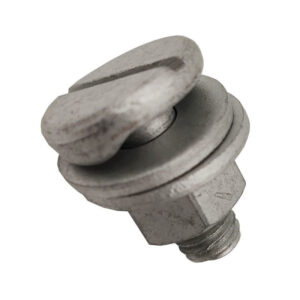
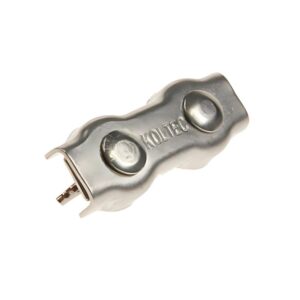
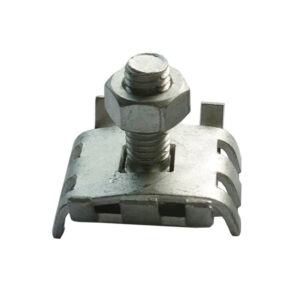
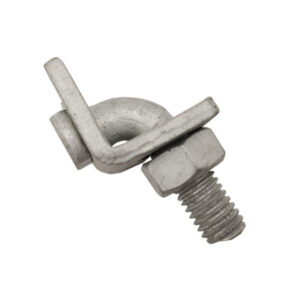
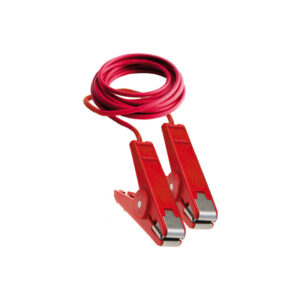
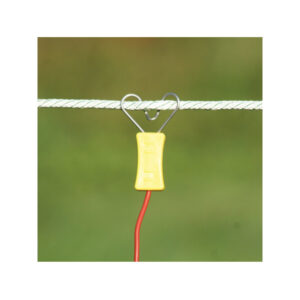
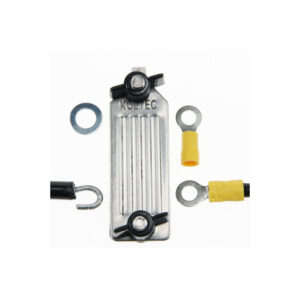
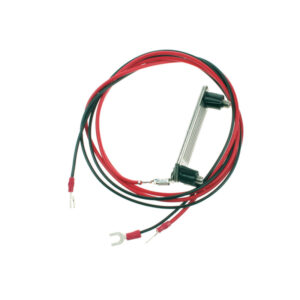
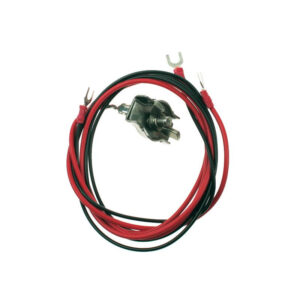
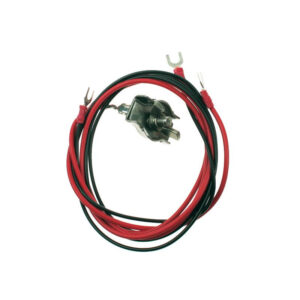
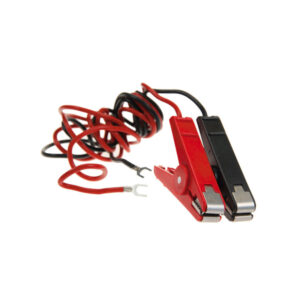
Connection material refers to the components used in electric fencing systems to establish secure electrical links between high-voltage energisers, conductive elements like wire, rope or tape, and grounding devices. Industrial buyers often seek connection materials that meet electrical conductivity standards, corrosion resistance, mechanical strength, and compatibility with fencing conductors. These materials are essential for reliable, safe, and durable performance in agricultural, forestry, and livestock fencing environments.
This category includes a variety of connection materials for electric fence systems, such as stainless steel rope connection clamps sized for 4-8 mm rope, wire clamps in O, L-curved, and W shapes, and full connection kits designed for use with tape, rope, or wire. There are all-round connection sets, heart-shaped connection sets, and stainless steel kits that include cable adapters. Each product is built to interface with conductive elements like high-voltage cable, fence tape, metal wire, or rope.
These connection materials are used to link electric fence energisers to fence conductors and grounding spikes, ensuring continuous current flow. They are applied where conductive tapes, ropes or wires need secure terminations under tension, as in perimeter fencing around livestock, forestry boundaries or agricultural plots. They are specified for high-voltage connections and used as conductive hardware and corrosion-resistant fasteners to deliver reliable performance in outdoor, moisture exposed environments.
Connection materials serve as the electrical junctions between fence energisers, conductive elements (such as rope, tape, or wire), and earthing systems. Their primary function is to maintain low-resistance contact under mechanical stress, tension, and environmental exposure. Key technical characteristics include the material (often stainless steel or galvanized metals), dimensional compatibility (e.g. clamp aperture sized for 4-8 mm rope or wire), mechanical strength, conductivity, resistance to corrosion, and compliance with electrical insulation standards. Typical parameters might cover surface finish, bolt torque tolerances, and the current rating of the conductive path. Variations include kits for tape connections (which may use washers and connection eyes), rope kits, wire clamps in various shapes (O, L, W), and combination or all-round connection sets. Considerations include matching conductor type (rope, tape, wire), environmental conditions (humidity, corrosion risk), mechanical load (tension, vibration), and electrical compatibility (high-voltage, grounding). Certified CE marking is present on many components, indicating conformity with European electrical safety requirements. Selection requires assessing conductor size, weather exposure, tensile load and whether stainless steel or galvanized metal is needed for durability.
MEMIDOS is a global B2B platform specialising in industrial equipment and parts. Buyers source connection materials directly from verified manufacturers and suppliers, eliminating middlemen, which improves procurement efficiency and can reduce cost margins. Orders are protected via secure, escrow-style payments: funds are held until agreed conditions such as shipment are met, safeguarding both buyer interests and supplier reliability. High-quality industrial products are available with transparent sourcing, simplifying international procurement and generating trust in specifications, material data, and supplier credentials.
English
Български (Bulgarian)
Hrvatski (Croatian)
Čeština (Czech)
Dansk (Danish)
Nederlands (Dutch)
Suomi (Finnish)
Français (French)
Deutsch (German)
Ελληνικά (Greek)
Magyar (Hungarian)
Italiano (Italian)
Norsk bokmål (Norwegian Bokmål)
Polski (Polish)
Português (Portuguese (Portugal))
Română (Romanian)
Русский (Russian)
Español (Spanish)
Svenska (Swedish)
Türkçe (Turkish)