
Cart
No products in the cart.
 English
 Български (Bulgarian)
 Hrvatski (Croatian)
 Čeština (Czech)
 Dansk (Danish)
 Nederlands (Dutch)
 Suomi (Finnish)
 Français (French)
 Deutsch (German)
 Ελληνικά (Greek)
 Magyar (Hungarian)
 Italiano (Italian)
 Norsk bokmål (Norwegian Bokmål)
 Polski (Polish)
 Português (Portuguese (Portugal))
 Română (Romanian)
 Русский (Russian)
 Español (Spanish)
 Svenska (Swedish)
 Türkçe (Turkish)
Showing all 15 resultsSorted by popularity
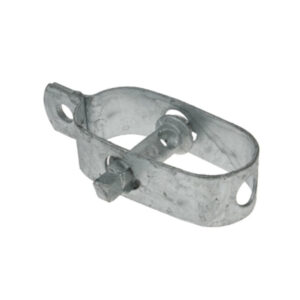
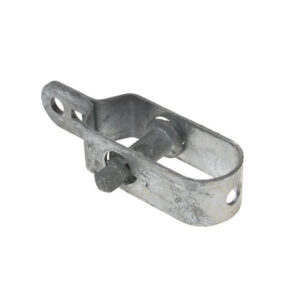
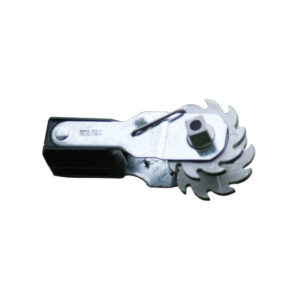
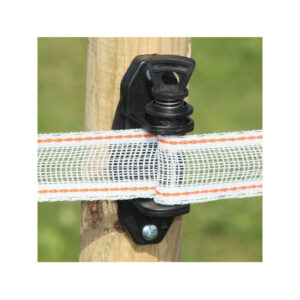
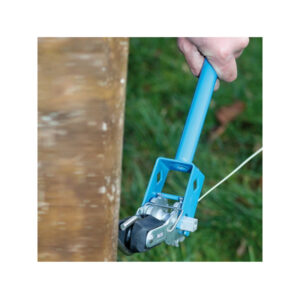
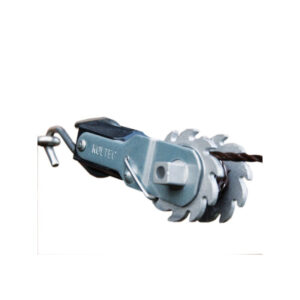
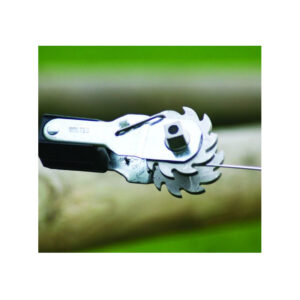
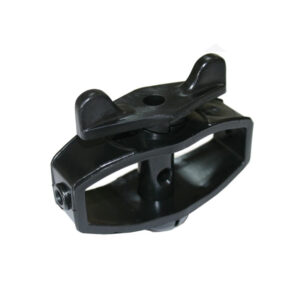
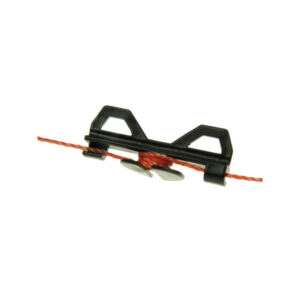
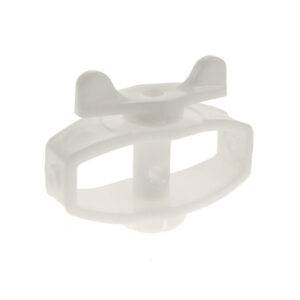
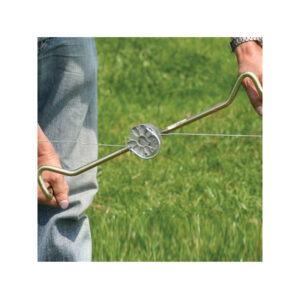
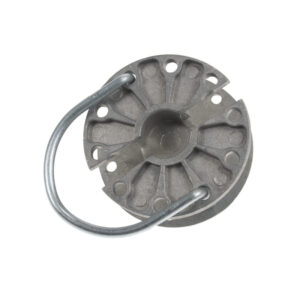
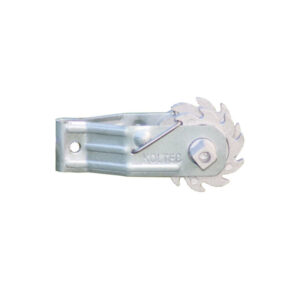
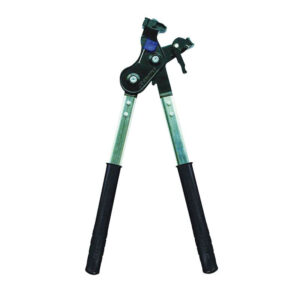
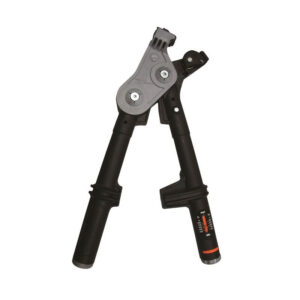
Wire tensioners are mechanical accessories used to maintain proper tension in wires and ropes, particularly in electric fencing systems. These industrial-grade tensioners keep wire taut over varying loads and environmental conditions. They are essential in agricultural, forestry, and fencing applications to control sag, ensure safety, and maintain operational stability.
This category features a selection of wire tensioner designs including solid ratchet tensioners for aluminum and steel wire and models with integrated insulators. There are stainless steel tensioners meant for ropes or wires up to specific diameters, and rotor tensioners that can be added without interrupting the wire. Also available are tensioning tools designed for installers. Materials include galvanized steel, stainless steel, and reinforced plastic.
These wire tensioners are used in electric fencing systems to secure metal wire, poly wire, or rope across posts in pastures, farms, and forest perimeters. They are also available in configurations like rope tensioners and models with integrated insulators for situations where the wire serves as a conductor or boundary. Installers will use tensioning tools during fence construction or repair. Stainless steel models are suitable for high-humidity or corrosive environments.
Wire tensioners are devices designed to apply and maintain a specific tension force in wire or rope between support points. Key technical characteristics include wire type compatibility (steel, aluminum, poly wire), dimension limits (wire diameter or rope thickness), material properties (galvanized steel for corrosion resistance; stainless steel for higher durability; reinforced plastic for lighter loads), and mechanism type (ratchet, rotor or solid tensioning systems). Performance parameters cover maximum tension capacity and ability to accommodate oscillation or temperature-induced expansion. Common variations include ratchet tensioners with integrated insulators (providing insulation where the wire passes through fence posts), rotor tensioners that allow winding without disconnecting the wire, and tools for installers facilitating torque control. In many cases conformity with CE marking is indicated, reflecting compliance with relevant safety standards. Selection considerations should include environmental exposure (e.g., moisture, corrosive conditions), wire type and size, mechanical loads due to wind or animal impact, compatibility with existing fence components, and operating conditions (temperature range, vibration). Tolerances may relate to wire stretch under load and fatigue life under cyclic tensioning.
MEMIDOS operates as a global B2B platform for industrial products, enabling procurement professionals to work directly with verified manufacturers and suppliers without intermediaries. The absence of middle men streamlines procurement processes and supports access to competitive pricing. Payment handling is secure and escrow-based, meaning funds are held until order conditions such as shipment are confirmed, protecting buyers and assuring suppliers of payment reliability. The platform offers a broad selection of quality industrial wire tensioners from trusted sources, simplifying international sourcing and enhancing transparency in supplier–buyer relationships.
English
Български (Bulgarian)
Hrvatski (Croatian)
Čeština (Czech)
Dansk (Danish)
Nederlands (Dutch)
Suomi (Finnish)
Français (French)
Deutsch (German)
Ελληνικά (Greek)
Magyar (Hungarian)
Italiano (Italian)
Norsk bokmål (Norwegian Bokmål)
Polski (Polish)
Português (Portuguese (Portugal))
Română (Romanian)
Русский (Russian)
Español (Spanish)
Svenska (Swedish)
Türkçe (Turkish)