
Cart
No products in the cart.
 English
 Български (Bulgarian)
 Hrvatski (Croatian)
 Čeština (Czech)
 Dansk (Danish)
 Nederlands (Dutch)
 Suomi (Finnish)
 Français (French)
 Deutsch (German)
 Ελληνικά (Greek)
 Magyar (Hungarian)
 Italiano (Italian)
 Norsk bokmål (Norwegian Bokmål)
 Polski (Polish)
 Português (Portuguese (Portugal))
 Română (Romanian)
 Русский (Russian)
 Español (Spanish)
 Svenska (Swedish)
 Türkçe (Turkish)
Showing all 8 resultsSorted by popularity
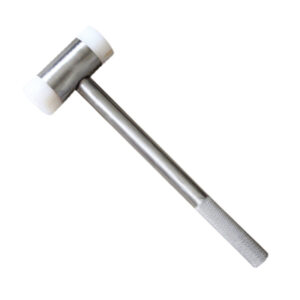
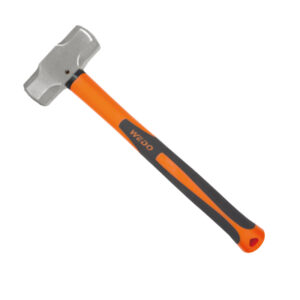
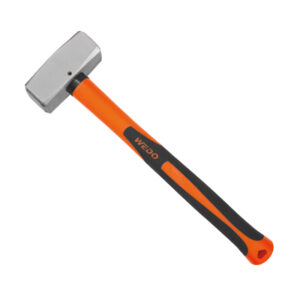
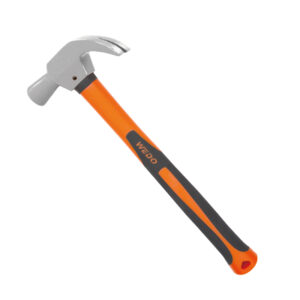
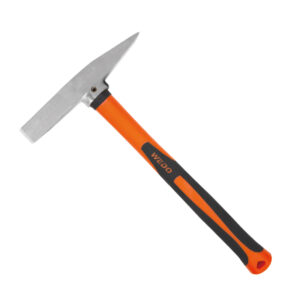
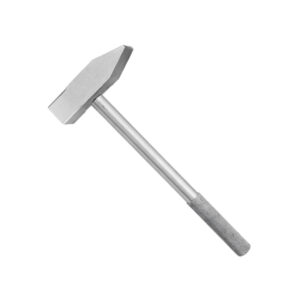
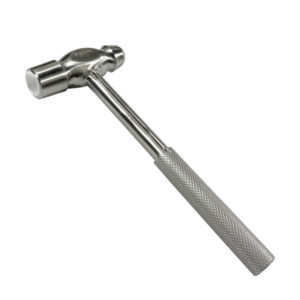
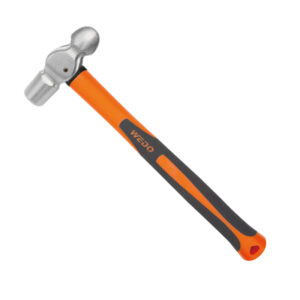
Hammers - stainless steel refers to striking tools whose heads and handles are made from stainless steel, often grade 304, designed for demanding industrial environments. These tools resist corrosion, oxidization, and chemical exposure, making them suitable for stainless hand tools, steel maintenance, marine, chemical, or food handling industries. They are commonly used in applications requiring corrosion resistance and sanitary conditions.
This category includes various types of stainless steel hammers. You’ll find ball pein hammers, engineers’ hammers, claw hammers, sledgehammers (standard and German-type), scaling hammers, and nylon head hammers — every variant built with stainless steel components. Some models offer soft striking heads (nylon), while others are designed for heavy impact. Sizes vary widely, and some tools are designed for precision work, others for demolition or shaping tasks.
Stainless steel hammers are used in industries where hygiene, corrosion resistance, or clean surface finish are essential — for example in food processing, pharmaceuticals, and marine maintenance. They are also used in metalworking and engineering applications for shaping, striking chisels, or peening purposes. Secondary applications include use in construction and automotive workshops for heavy-duty demolition or precise striking tasks. These tools suit professionals needing cleanroom tools, clean surface impact, stainless material compatibility, or non-rusting toolsets.
A stainless steel hammer comprises a striking head and often a matching handle made from stainless material, typically type 304. Key technical characteristics include hardness, weight (ranging from light scaling hammer to heavy-duty sledgehammer mass), head style (flat face, ball pein, claw, soft head), and striking surface. Tempering, hardness rating (e.g., ≤90 HRB for some models), and finish (polished or satin) affect performance. Variations differ in head design: ball pein for shaping and rounding metal, claw for pulling nails, sledgehammer for large-scale impact, scaling hammer for removing scale or weld splatter, nylon head for non-marring strikes.
Typical industrial applications include metal fabrication, maintenance, pit repair, weld cleaning, and assembly. Compliance with standards like DIN, ASME, or equivalent is relevant for tool safety, material composition, and manufacturing tolerances. When selecting a stainless steel hammer, consider operating environment (wet, corrosive, hygienic), load (impact energy required), handle length, compatibility with safety equipment (gloves, barriers), and maintainability (surface cleaning, storage) to avoid damage or reduced service life.
MEMIDOS offers a global B2B marketplace where buyers source industrial tools directly from verified manufacturers and suppliers. With no intermediaries, procurement of stainless steel hammers is more transparent, efficient, and cost-competitive. Payment is handled securely via escrow, holding funds until order conditions such as shipment are confirmed, protecting purchasers and ensuring supplier reliability. Buyers gain access to high-quality industrial products that conform to relevant material and safety standards, streamlining international sourcing and improving traceability.
English
Български (Bulgarian)
Hrvatski (Croatian)
Čeština (Czech)
Dansk (Danish)
Nederlands (Dutch)
Suomi (Finnish)
Français (French)
Deutsch (German)
Ελληνικά (Greek)
Magyar (Hungarian)
Italiano (Italian)
Norsk bokmål (Norwegian Bokmål)
Polski (Polish)
Português (Portuguese (Portugal))
Română (Romanian)
Русский (Russian)
Español (Spanish)
Svenska (Swedish)
Türkçe (Turkish)