
Cart
No products in the cart.
 English
 Български (Bulgarian)
 Hrvatski (Croatian)
 Čeština (Czech)
 Dansk (Danish)
 Nederlands (Dutch)
 Suomi (Finnish)
 Français (French)
 Deutsch (German)
 Ελληνικά (Greek)
 Magyar (Hungarian)
 Italiano (Italian)
 Norsk bokmål (Norwegian Bokmål)
 Polski (Polish)
 Português (Portuguese (Portugal))
 Română (Romanian)
 Русский (Russian)
 Español (Spanish)
 Svenska (Swedish)
 Türkçe (Turkish)
Showing 1–16 of 31 resultsSorted by popularity
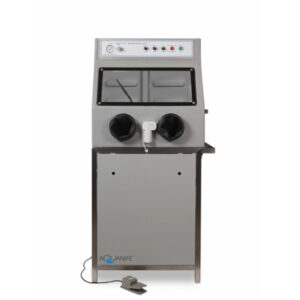
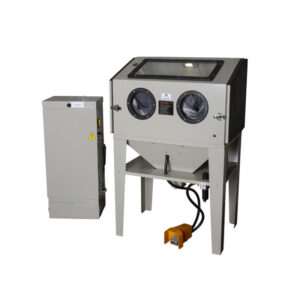
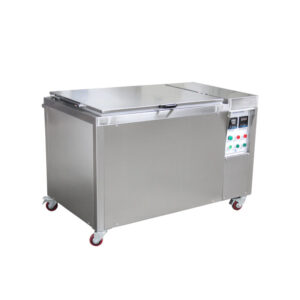
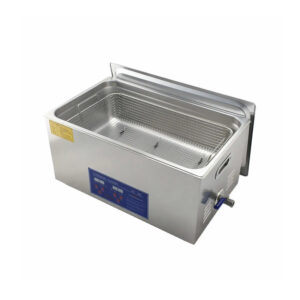





Surface treatment refers to a category of industrial machinery and consumables designed to alter, clean, finish, or protect material surfaces. Professionals seeking surface treatment equipment look for sandblasting, water polishing, ultrasonic cleaning, and blasting media to achieve precise surface finishes. These products cater to industrial cleaning, finishing, and preparation processes where durability, consistency, and performance matter.
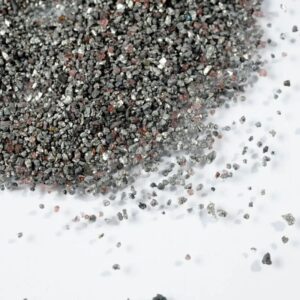
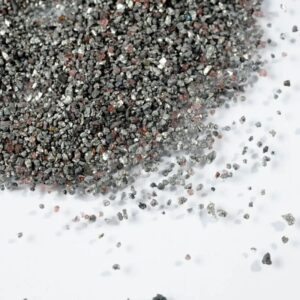
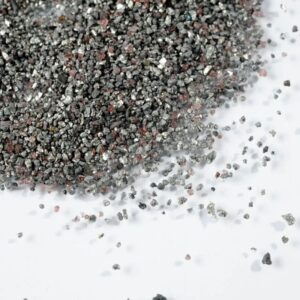
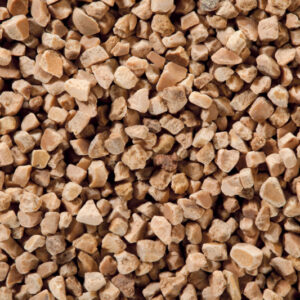
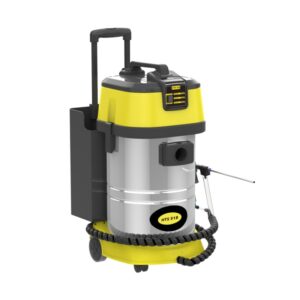
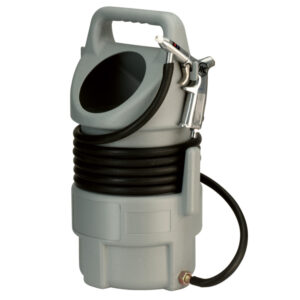
The product range in this surface treatment category includes sandblasting units, water polishing equipment, ultrasonic cleaners, and various blasting materials used in sandblasting operations. Items range from large-capacity ultrasonic baths to handheld or benchtop polishing systems as well as abrasive media such as glass beads, aluminium oxide grains, and natural walnut shells. There are also wet blasting cabinets and blasting machines to accommodate different scales of operation and surface finishing needs.
Surface treatment equipment is used across industries such as manufacturing, automotive, aerospace, and metal fabrication. Sandblasting and blasting materials remove scale, rust, and coatings before painting or welding, while water polishing equipment refines finishes on metal or composite surfaces. Ultrasonic cleaners are essential for precision cleaning of machined parts, removing contaminants like oils, fines, or oxides. This includes industrial cleaning equipment and finishing and polishing systems.
Surface treatment systems serve primary functions: cleaning, surface preparation, and finishing of material surfaces to specific texture or cleanliness levels. Key technical characteristics include media composition and granulometry (e.g., size ranges of glass beads or aluminium oxide), equipment capacity (liters for ultrasonic cleaners; chamber size for blasting units), material hardness (media hardness vs. substrate hardness), flow rate or pressure for abrasive blasting, and power ratings for ultrasonic cleaning (frequency and wattage). Typical use cases are removing scale, preparing weld seams, cleaning molds or dies, and applying matte or polished finishes on metals or composites.
Common variations include dry sandblasting vs. wet blasting (water-assisted), ultrasonic immersion cleaners vs. spray types, and abrasive media types (natural vs. synthetic; coarse vs. fine). Functionally, wet polishing systems reduce dust and heat compared to dry blasting. Selection considerations revolve around environment (e.g., ventilation and moisture control), compatibility of media with substrate material, operating conditions such as temperature and chemical exposure, and regulatory or safety standards for particle emissions or chemical handling. Relevant standards or compliance may include health and safety regulations related to airborne dust, water discharge, and equipment electrical safety. Acceptable tolerances depend on industry—e.g., metalwork may require surface roughness Ra values under certain limits.
MEMIDOS is a global B2B platform connecting industrial buyers with verified manufacturers and suppliers without intermediaries. Direct purchasing helps reduce costs and streamlines procurement for sandblasting systems, ultrasonic cleaners, polishing equipment, and compatible blasting materials. Payments are handled through secure escrow: funds are held until order conditions — such as shipment or delivery — are met, providing protection and ensuring reliability. Buyers benefit from access to high-quality surface treatment equipment from certified suppliers, increased transparency, and simplified international sourcing across product categories.
English
Български (Bulgarian)
Hrvatski (Croatian)
Čeština (Czech)
Dansk (Danish)
Nederlands (Dutch)
Suomi (Finnish)
Français (French)
Deutsch (German)
Ελληνικά (Greek)
Magyar (Hungarian)
Italiano (Italian)
Norsk bokmål (Norwegian Bokmål)
Polski (Polish)
Português (Portuguese (Portugal))
Română (Romanian)
Русский (Russian)
Español (Spanish)
Svenska (Swedish)
Türkçe (Turkish)