
Cart
No products in the cart.
 English
 Български (Bulgarian)
 Hrvatski (Croatian)
 Čeština (Czech)
 Dansk (Danish)
 Nederlands (Dutch)
 Suomi (Finnish)
 Français (French)
 Deutsch (German)
 Ελληνικά (Greek)
 Magyar (Hungarian)
 Italiano (Italian)
 Norsk bokmål (Norwegian Bokmål)
 Polski (Polish)
 Português (Portuguese (Portugal))
 Română (Romanian)
 Русский (Russian)
 Español (Spanish)
 Svenska (Swedish)
 Türkçe (Turkish)
Showing all 5 resultsSorted by popularity
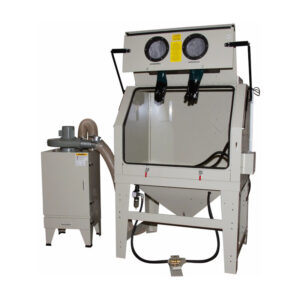
Sandblasting refers to the process of using high-pressure air to project abrasive material (such as steel sand, aluminum oxide, or glass beads) against a surface to clean, strip, or finish it. In industrial machinery and parts procurement, sandblasting is applied in surface preparation, removing coatings, rust, or contaminants. Typical components and considerations are blasting cabins, abrasive media, blast pressure, and exhaust filtration to ensure safety and performance.
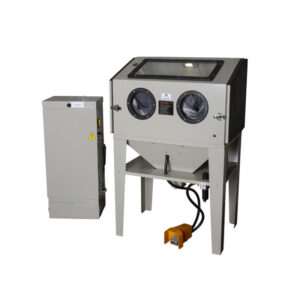
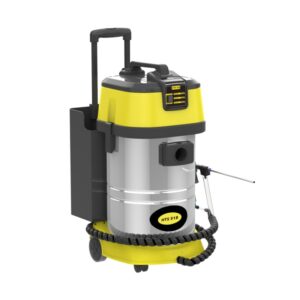
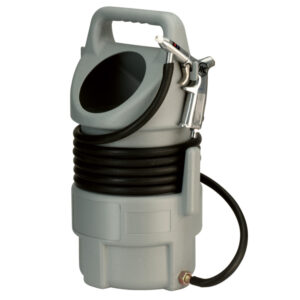
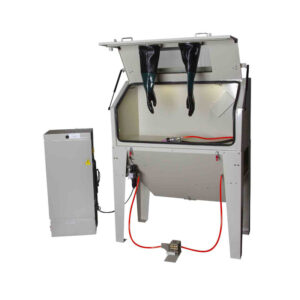
This category features several types of sandblasting equipment. The lineup includes sandblasting cabins of different sizes and access styles: standard cabins with side access, those with front opening, and an industrial-scale cabin built for larger operations. Also included is a blasting machine that uses walnut shell media for delicate or sensitive surface work.
Sandblasting cabins are used in workshops and fabrication environments to remove rust, paint, old coatings, or surface layer residues from metals, wood, or glass. They are essential in automotive restoration, metal finishing, and maintenance shops. The walnut shell blasting machine is suited for delicate cleaning such as engine parts or aluminium components, where softer media are needed. Common applications include surface preparation, abrasive cleaning, and dust extraction in industrial finishing.
Sandblasting systems are built to deliver controlled abrasive flow, typically through a blast gun. Key technical characteristics include material compatibility (metal, wood, glass), pressure ratings (e.g., up to 8 bar / 125 psi), air flow requirements (several hundred litres per minute), and filtration/tolerances for dust removal. Cabins vary in external and internal dimensions to suit workpiece size and operator access—side-opening or front-opening designs, along with extraction systems. Media types include steel sand, aluminium oxide, glass beads, or softer media like walnut shell, each producing different surface finishes. Blast media size and type drive finish quality and surface profile. Equipment must comply with standards for safety, such as effective dust extraction, filtration (e.g. micron level filters), and pressure regulation. Selection considerations include: whether workpieces are large or small, how delicate surfaces are, ambient environmental factors (dust and debris containment), compressor capacity and air quality, and whether integrated lighting or gloves and foot-pedal controls are needed for operator safety and precision.
MEMIDOS operates as a global B2B platform connecting industrial buyers to manufacturers and suppliers directly. Without intermediaries, procurement is more efficient and produces competitive pricing. Payments are secured through escrow, which means funds are held until order conditions—such as shipment—are met. The platform ensures access to industrial-grade products from verified suppliers, simplifying international procurement and enhancing transparency in sourcing for procurement professionals, engineers and workshop managers.
English
Български (Bulgarian)
Hrvatski (Croatian)
Čeština (Czech)
Dansk (Danish)
Nederlands (Dutch)
Suomi (Finnish)
Français (French)
Deutsch (German)
Ελληνικά (Greek)
Magyar (Hungarian)
Italiano (Italian)
Norsk bokmål (Norwegian Bokmål)
Polski (Polish)
Português (Portuguese (Portugal))
Română (Romanian)
Русский (Russian)
Español (Spanish)
Svenska (Swedish)
Türkçe (Turkish)