
Cart
No products in the cart.
 English
 Български (Bulgarian)
 Hrvatski (Croatian)
 Čeština (Czech)
 Dansk (Danish)
 Nederlands (Dutch)
 Suomi (Finnish)
 Français (French)
 Deutsch (German)
 Ελληνικά (Greek)
 Magyar (Hungarian)
 Italiano (Italian)
 Norsk bokmål (Norwegian Bokmål)
 Polski (Polish)
 Português (Portuguese (Portugal))
 Română (Romanian)
 Русский (Russian)
 Español (Spanish)
 Svenska (Swedish)
 Türkçe (Turkish)
Showing all 15 resultsSorted by popularity
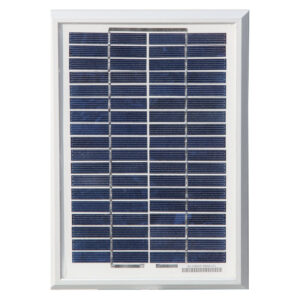
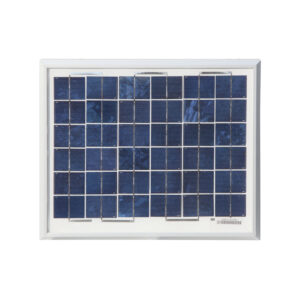
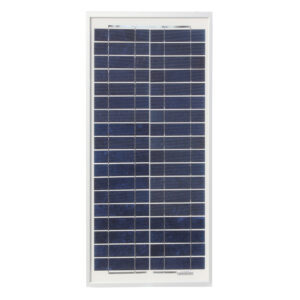
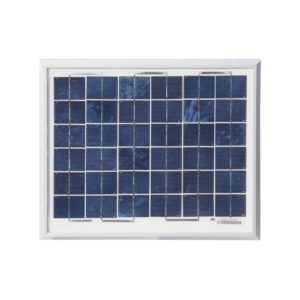
This category includes solar panels for electric fence systems—panels designed to convert solar energy into electrical power to energise fencing units. It also contains accessories related to those solar panels. Industrial professionals seeking durable electric fencing power solutions, renewable power components, or solar energy equipment for fencing will find relevant industrial machinery parts and power inputs in this category.
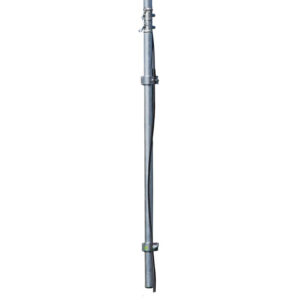
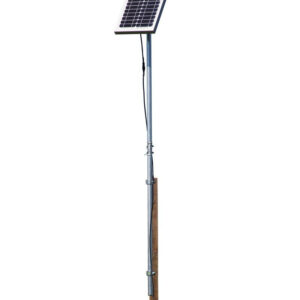
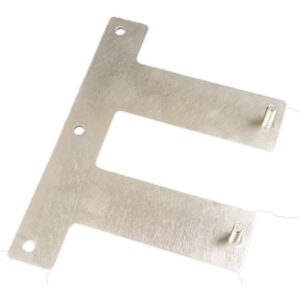
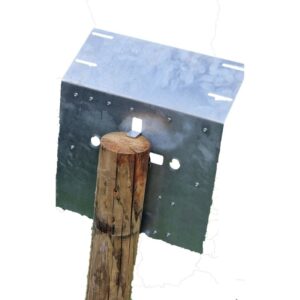
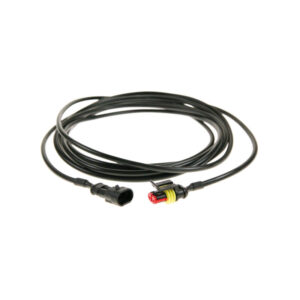
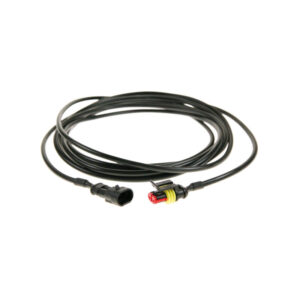
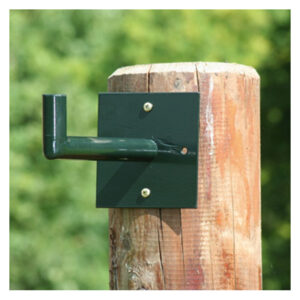
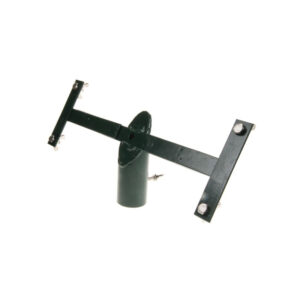
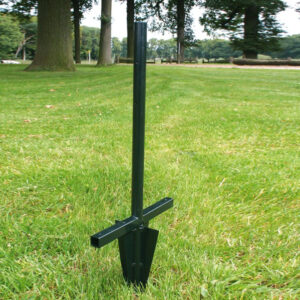
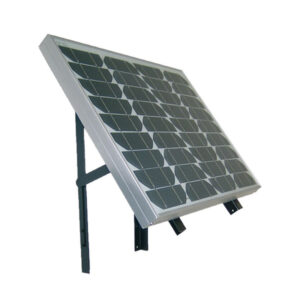
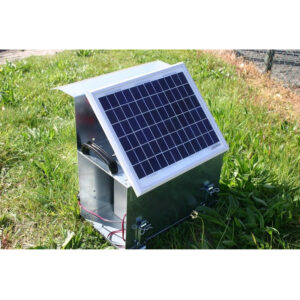
Within this category you will find solar panels of various wattages (for example 5 W, 10 W, 20 W) built for powering electric fences. Alongside the panels themselves, there are various accessories, such as extension cables in different lengths, installation posts and brackets, steel mounting plates, T-shaped and double mounting plates, frames for panel mounting, battery-box brackets, and full installation kits. These items support mounting, positioning, and connecting the solar panels in field conditions.
Products in this category are used in agricultural, forestry and livestock management settings where electric fencing is required in remote areas without reliable grid power. Items in this category include solar fence energiser accessories and solar fence mounting hardware and are used in contexts including perimeter security, pasture division, wildlife control, and rotational grazing systems. Electric fencing powered by solar panels supports energy-efficient, sustainable fencing installations, reducing operating costs and reliance on mains electricity in rural, remote, or off-grid locations.
Solar panels for electric fence are photovoltaic modules sized to deliver sufficient voltage and current to energisers compatible with electric fences. Key technical characteristics include watt rating (e.g. 5 W, 10 W, 20 W), output voltage, mounting angle, frame material (such as steel mounting plates, frames, brackets), and cable gauge for extension leads. Accessories like posts, brackets, double plates, and frames provide mechanical support and alignment to optimize solar incidence angles. Installations must consider environmental conditions—wind load, corrosion, exposure to moisture—and temperature tolerances for panels and fittings.
Variations within this category include standalone panels versus panels supplied with mounting kits, and accessories such as extension cables of varying lengths (5 m, 10 m) versus structural hardware like posts and T-shaped or double-mounting plates. Functionally, panels differ by output power, and accessories differ by compatibility with the fencing energiser, battery box, or mounting infrastructure. Standards and compliance considerations may involve photovoltaic module safety ratings, UV resistance of mounting materials, weather sealing for cable connections, and structural durability under load. Selection considerations include matching panel wattage to energiser load, mounting height and orientation, compatibility of mounting hardware, site exposure to sun, and cable run distance to minimise voltage drops.
MEMIDOS operates as a global B2B platform for industrial products, enabling procurement professionals to source solar panels and accessories directly from verified manufacturers and suppliers. Because there are no middle men, procurement processes are more efficient and pricing more transparent. Payments on the platform are escrow-based, meaning funds are held until order conditions such as shipment are met, which provides protection for buyers and payment assurance for suppliers. Access is provided to industrial-grade products meeting technical requirements, simplifying international sourcing and bringing greater clarity in component specifications and fit-for-purpose planning.
English
Български (Bulgarian)
Hrvatski (Croatian)
Čeština (Czech)
Dansk (Danish)
Nederlands (Dutch)
Suomi (Finnish)
Français (French)
Deutsch (German)
Ελληνικά (Greek)
Magyar (Hungarian)
Italiano (Italian)
Norsk bokmål (Norwegian Bokmål)
Polski (Polish)
Português (Portuguese (Portugal))
Română (Romanian)
Русский (Russian)
Español (Spanish)
Svenska (Swedish)
Türkçe (Turkish)