
Cart
No products in the cart.
 English
 Български (Bulgarian)
 Hrvatski (Croatian)
 Čeština (Czech)
 Dansk (Danish)
 Nederlands (Dutch)
 Suomi (Finnish)
 Français (French)
 Deutsch (German)
 Ελληνικά (Greek)
 Magyar (Hungarian)
 Italiano (Italian)
 Norsk bokmål (Norwegian Bokmål)
 Polski (Polish)
 Português (Portuguese (Portugal))
 Română (Romanian)
 Русский (Russian)
 Español (Spanish)
 Svenska (Swedish)
 Türkçe (Turkish)
Showing all 7 resultsSorted by popularity
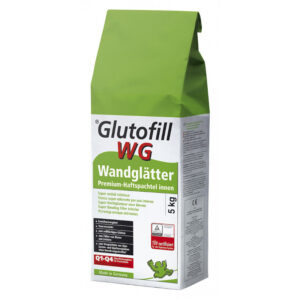
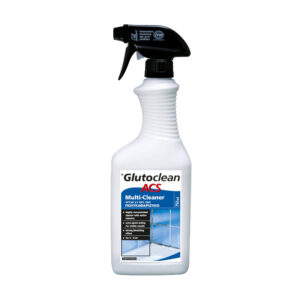
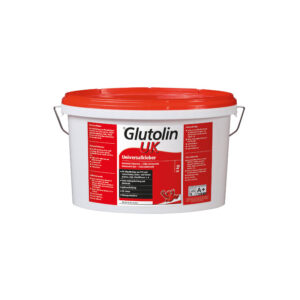
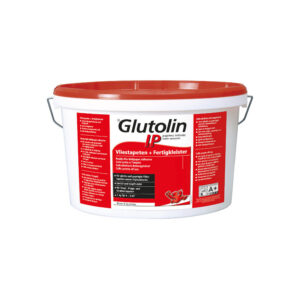
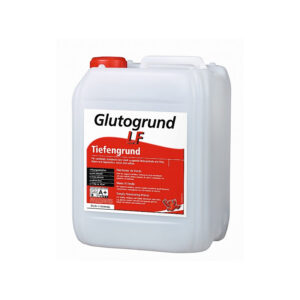
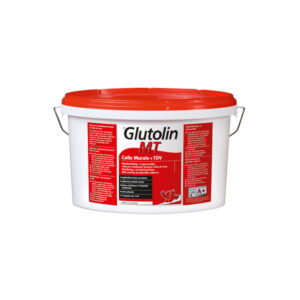
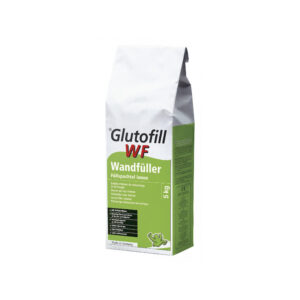
Building materials refer to chemical and compound-based supplies used in construction, renovation, and surface finishing. This includes masonry consumables, primers, wall patching compounds and plaster, glue and adhesives, and chemicals and detergents. These materials are essential for structural repair, surface preparation, bonding, and cleanliness in industrial and commercial building works, aimed at procurement professionals and construction engineers sourcing high-quality components.
Within this selection you will find masonry consumables suitable for brick, stone, or block work; primers for sealing or preparing surfaces; wall patching compounds and plaster for repair or finishing; glue and adhesives for bonding various substrates; and chemicals and detergents for cleaning, surface treatment, or preparation. These products appear in pallet-full quantities and multiple variants, addressing different project scales and usage needs.
These materials are commonly used in industrial environments involving renovation, new build construction, or maintenance of buildings where surfaces require priming, repair, adhesion or cleaning. Engineers, facility maintenance teams, and contractors rely on wall patching compounds and plaster to smooth surfaces and correct defects; primers to promote adhesion and reduce porosity; glue and adhesives to bond plasterboards, tile, or decorative elements; and detergents or chemical agents to remove contaminants or prepare surfaces prior to coating or sealing.
The primary function of these building materials is to provide structural integrity, surface protection, adhesion, and aesthetic finish in construction applications. Key technical characteristics include material composition—such as gypsum-based compounds, latex or solvent-based primers and adhesives, and various surfactants or cleaning agents—and physical forms, ranging from powders or pastes (e.g. patching compounds, plaster), to liquids (primers, adhesives, detergents). Performance parameters often involve drying or curing time, adhesion strength, coverage rate, compatibility with substrate types (e.g. concrete, wood, plasterboard), durability under moisture or chemical exposure, and pH or VOC ratings for chemical products.
Typical use cases include filling gaps and cracks in masonry or plasterwork, smoothing wall surfaces before painting or tiling, bonding panels or decorative features, and degreasing or cleaning surfaces prior to further treatment. Variations within the category differ by base formulation (gypsum filler vs plaster), adhesive bonding method (wet-set vs drying adhesives), or chemical strength and concentration (mild detergents vs stronger cleaners). Compliance considerations may include standards for VOC emissions, fire resistance, and compatibility with building codes for moisture and health safety. Common selection factors include substrate type, environmental conditions like humidity or temperature, required finish texture, curing or drying constraints, and any regulatory or safety requirements for chemical use or disposal.
MEMIDOS operates as a global B2B platform for industrial products, connecting procurement professionals directly with manufacturers and suppliers. By removing intermediaries, MEMIDOS enables more efficient sourcing and competitive pricing. Payment processing is secure and escrow-based: funds are held by the platform until order conditions such as shipment are fulfilled, giving protection to buyers while assuring suppliers. Buyers gain access to industrial-grade building materials from verified suppliers, simplifying international procurement and enhancing transparency of supply chains.
English
Български (Bulgarian)
Hrvatski (Croatian)
Čeština (Czech)
Dansk (Danish)
Nederlands (Dutch)
Suomi (Finnish)
Français (French)
Deutsch (German)
Ελληνικά (Greek)
Magyar (Hungarian)
Italiano (Italian)
Norsk bokmål (Norwegian Bokmål)
Polski (Polish)
Português (Portuguese (Portugal))
Română (Romanian)
Русский (Russian)
Español (Spanish)
Svenska (Swedish)
Türkçe (Turkish)