
Cart
No products in the cart.
 English
 Български (Bulgarian)
 Hrvatski (Croatian)
 Čeština (Czech)
 Dansk (Danish)
 Nederlands (Dutch)
 Suomi (Finnish)
 Français (French)
 Deutsch (German)
 Ελληνικά (Greek)
 Magyar (Hungarian)
 Italiano (Italian)
 Norsk bokmål (Norwegian Bokmål)
 Polski (Polish)
 Português (Portuguese (Portugal))
 Română (Romanian)
 Русский (Russian)
 Español (Spanish)
 Svenska (Swedish)
 Türkçe (Turkish)
Showing 1–16 of 20 resultsSorted by popularity
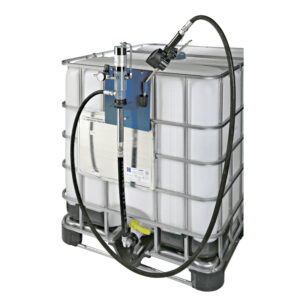
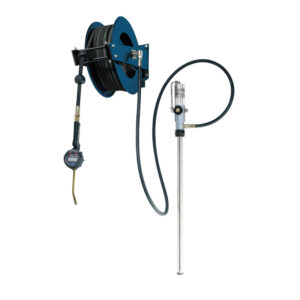
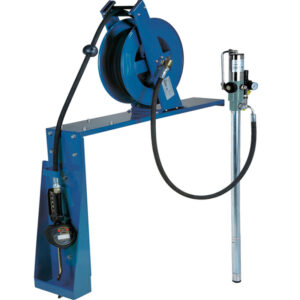
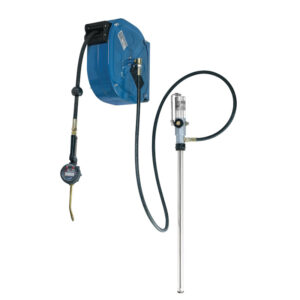
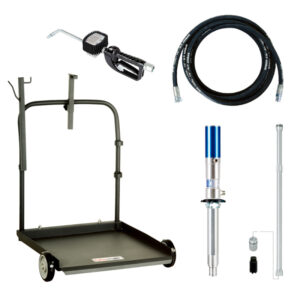
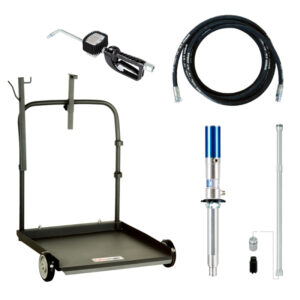
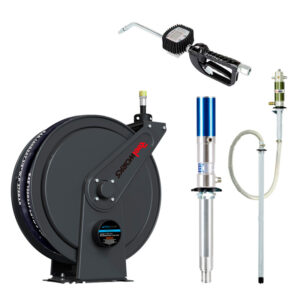
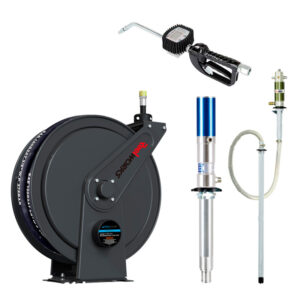
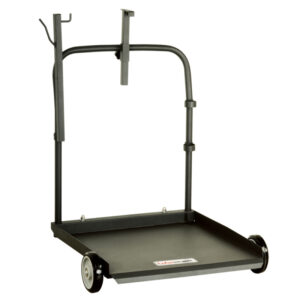
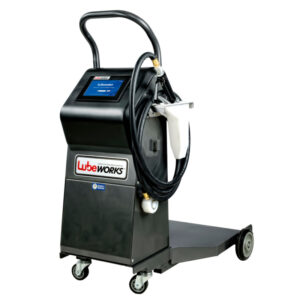
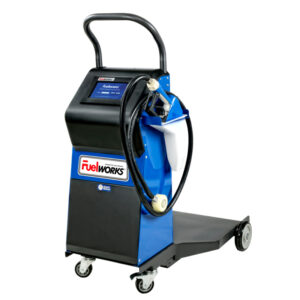
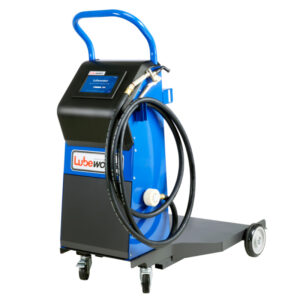
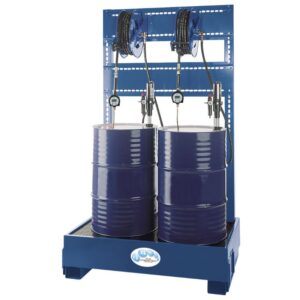
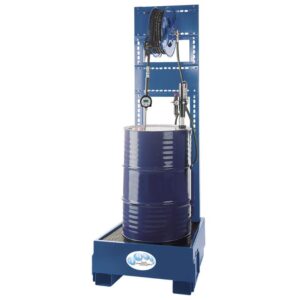
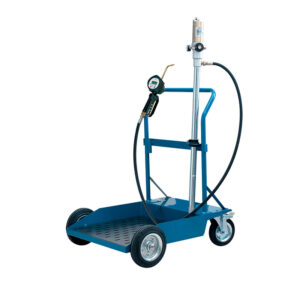
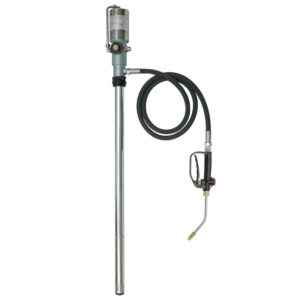
Oil and fluid dispensing system refers to equipment used in automotive workshops and repair shops to transfer, measure, and dispense oils, coolants, AdBlue, windshield washer fluid, antifreeze, and other industrial fluids. These systems include devices such as dispensing guns, meters, and various types of pumps—hand-operated, air-operated, and electric—all designed to deliver precise volumes to meet technical and safety specifications.
In this category you will find oil dispensing guns constructed with different inlet sizes, automatic anti-drip nozzles and rigid or flexible outlets; oil and fluid meters that accurately measure flow rates; hand-operated pumps including rotary, single-acting, and piston designs for drum or mobile units; air-operated pumps suitable for compressor-driven fluid delivery; electric pumps fitted with control boxes for automated or high-volume operations; and mobile dispensing trolleys for oils, antifreeze, or AdBlue with hoses and outlets for easy maneuvering.
These dispensing systems are used in automotive repair shops, maintenance facilities, and industrial service centres to handle fluid change-overs, lubrication tasks, coolant replacement, emission control liquids, and chemical dosing. They must support fluid transfer efficiency and precise oil flow control to reduce waste. Users may also require chemical-compatible dispensing for handling fluids like antifreeze or AdBlue in compliance with environmental regulations.
An oil and fluid dispensing system comprises tools and machines whose primary function is to transport, control, and dispense liquids under workflow conditions demanding accuracy, safety, and repeatability. Key technical characteristics include material compatibility (e.g. aluminium, stainless steel, polypropylene, Teflon seals), outlet diameter (e.g. Ø16 mm, Ø20 mm), inlet type (e.g. BSP threads), flow rate (from fractional litres per minute up to high-flow capacities, e.g. 35 L/min or more), and pressure rating (for pressure-driven systems). Capacity relates to drum sizes (60-220 L) or mobile reservoir volumes. Variations include dispensing guns vs. metering units vs. pumps driven by hand, air, or electric power. In some cases, meter accuracy (±0.5 %), automatic anti-drip features, or dosing memory functions are included. Standards and compliance may involve CE marking, fluid safety, and chemical compatibility requirements especially when handling strong acids, bases, or corrosive fluids. Selection depends on the type of fluid (viscosity, corrosivity), environmental conditions (temperature, exposure), required flow rate, hose length, and whether mobility or fixed installation is needed.
MEMIDOS is a global B2B platform specialising in industrial equipment. It connects procurement professionals with manufacturers and verified suppliers directly, eliminating intermediaries. Payment handling is secure and escrow-based: funds are held by MEMIDOS until shipment or other order conditions are fulfilled. This structure provides protection for buyers while ensuring reliability for suppliers. Through this platform buyers have access to quality oil and fluid dispensing systems sourced from verified manufacturers, transparent product data, and streamlined international procurement.
English
Български (Bulgarian)
Hrvatski (Croatian)
Čeština (Czech)
Dansk (Danish)
Nederlands (Dutch)
Suomi (Finnish)
Français (French)
Deutsch (German)
Ελληνικά (Greek)
Magyar (Hungarian)
Italiano (Italian)
Norsk bokmål (Norwegian Bokmål)
Polski (Polish)
Português (Portuguese (Portugal))
Română (Romanian)
Русский (Russian)
Español (Spanish)
Svenska (Swedish)
Türkçe (Turkish)