
Cart
No products in the cart.
 English
 Български (Bulgarian)
 Hrvatski (Croatian)
 Čeština (Czech)
 Dansk (Danish)
 Nederlands (Dutch)
 Suomi (Finnish)
 Français (French)
 Deutsch (German)
 Ελληνικά (Greek)
 Magyar (Hungarian)
 Italiano (Italian)
 Norsk bokmål (Norwegian Bokmål)
 Polski (Polish)
 Português (Portuguese (Portugal))
 Română (Romanian)
 Русский (Russian)
 Español (Spanish)
 Svenska (Swedish)
 Türkçe (Turkish)
Showing all 6 resultsSorted by popularity
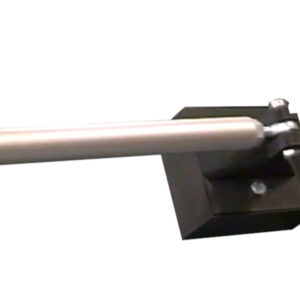
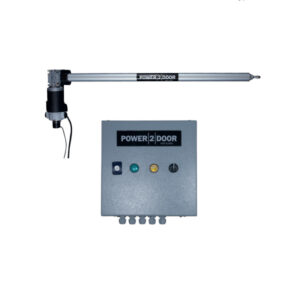
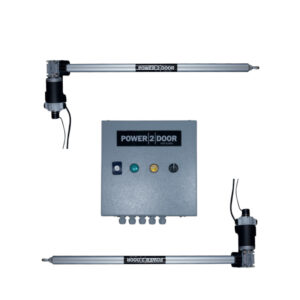
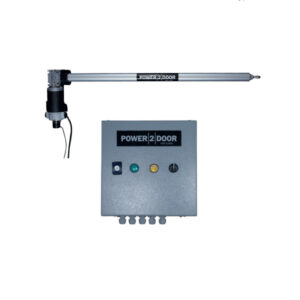
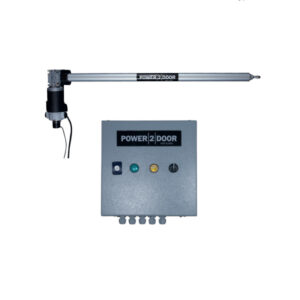
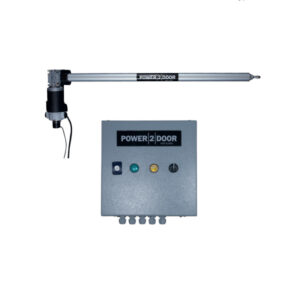
The category “automatic doors for CNC machine” includes motorised door systems designed specifically for numerical control (CNC) equipment. These automatic door systems and door automation solutions for CNC doors enhance machine safety, operator efficiency, and compliance with industrial safety directives. They are used to improve access control and protect personnel around CNC equipment.
This category offers a range of automatic door systems for CNC machines, all under a consistent product line. You will see single‐door automatic door systems available in several door opening widths—specifically 700 mm, 800 mm, 900 mm, and 1000 mm. There is also an option for double-door automation, which pairs matched actuators for twin CNC machine doors. The products include all necessary components such as actuators, controllers, encoders, mounting brackets, and cabling to automate the opening and closing of CNC doors.
These automatic doors are used in machining and metalworking environments where CNC machines are operated manually or in tandem with robots. They contribute to machinery safety and function as machine tool guards. Use cases include integrating door automation to allow safe, hands-free access for operators and robots, enhancing cycle throughput, and implementing safety guards that comply with the Machinery Directive and ISO standards. Another use is retrofitting existing CNC enclosures to enhance safety measures and reduce manual intervention in production workflows.
Automatic doors for CNC machines are attachments or add-ons that mechanically open and close CNC equipment doors. Their primary function is to act as safety guards and access control, reducing manual handling, protecting operators from hazards, and allowing robot-assisted operations. Key technical characteristics include maximum opening stroke or width (700-1000 mm for single doors; matched actuators for double doors), motor force (e.g. able to exert forces up to 400 N), motor power ratings, voltage specifications (often 24 VDC for actuator; controller may accept 100-240 VAC), speed of operation (e.g. up to ~350 mm/sec), and environmental protection (IP rating such as IP20 for indoor use). Typical use cases include installation in CNC machine tools where doors are used frequently or where parts loading/unloading is automated. Common variations include single-door systems versus double-door systems; differences in stroke length affect the size of doors they can move. Standards and compliance considerations include EU Machinery Directive 2006/42/EC, ISO 12100 for general safety principles, ISO 13849-2 for safety-related control systems, and ISO 14120 for guards and enclosure safety. Selection considerations include compatibility of door size and weight, electrical supply constraints, installation environment (indoor, dust, coolant exposure), duty cycle (frequency of opening/closing), and safety interlock integration.
MEMIDOS is a global B2B platform supplying verified industrial equipment directly from manufacturers and suppliers, eliminating intermediaries. This direct procurement stream enables more efficient sourcing and transparent pricing. Payment is handled via a secure escrow system, with funds held until order conditions—such as shipment—are fulfilled, providing protection for both buyers and reliability for suppliers. Industrial and procurement professionals benefit from access to quality products, simplified international transactions, and clear visibility in sourcing when selecting CNC machine door automation components.
English
Български (Bulgarian)
Hrvatski (Croatian)
Čeština (Czech)
Dansk (Danish)
Nederlands (Dutch)
Suomi (Finnish)
Français (French)
Deutsch (German)
Ελληνικά (Greek)
Magyar (Hungarian)
Italiano (Italian)
Norsk bokmål (Norwegian Bokmål)
Polski (Polish)
Português (Portuguese (Portugal))
Română (Romanian)
Русский (Russian)
Español (Spanish)
Svenska (Swedish)
Türkçe (Turkish)