
Cart
No products in the cart.
 English
 Български (Bulgarian)
 Hrvatski (Croatian)
 Čeština (Czech)
 Dansk (Danish)
 Nederlands (Dutch)
 Suomi (Finnish)
 Français (French)
 Deutsch (German)
 Ελληνικά (Greek)
 Magyar (Hungarian)
 Italiano (Italian)
 Norsk bokmål (Norwegian Bokmål)
 Polski (Polish)
 Português (Portuguese (Portugal))
 Română (Romanian)
 Русский (Russian)
 Español (Spanish)
 Svenska (Swedish)
 Türkçe (Turkish)
Showing all 15 resultsSorted by popularity
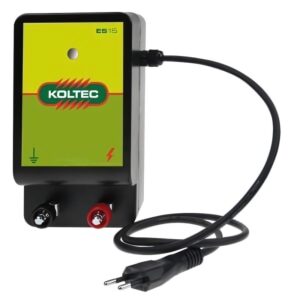
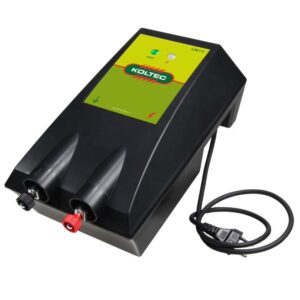
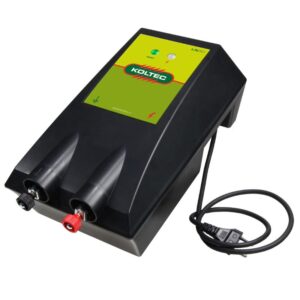
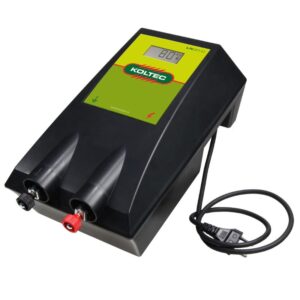
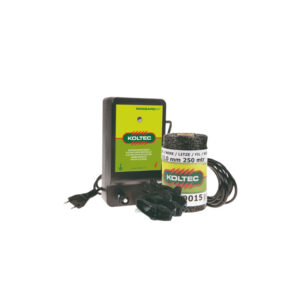
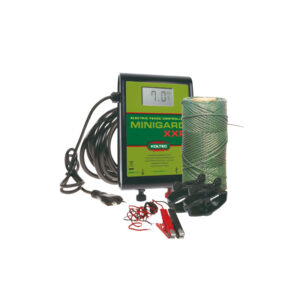
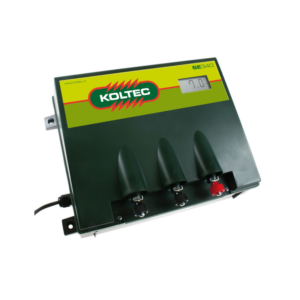
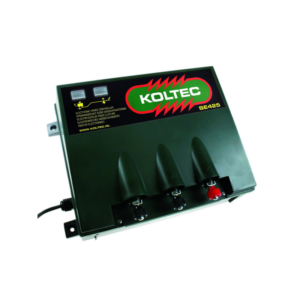
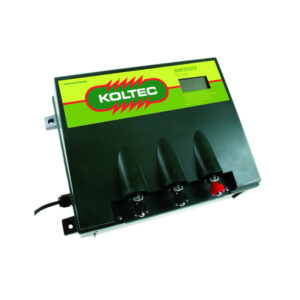
230 V energisers for electric fence are mains-powered devices that supply high-voltage pulses to electrified fencing systems. They are designed to deliver stored energy and peak voltage to maintain fence effectiveness for security or livestock containment in agriculture, forestry, or similar industrial settings. These energisers ensure reliable pulse output, impulse energy, and compatibility with professional or heavy-duty electric fencing infrastructure.
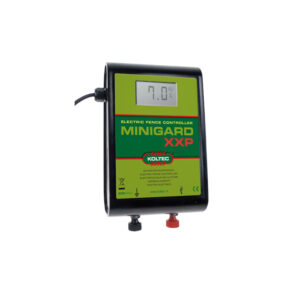
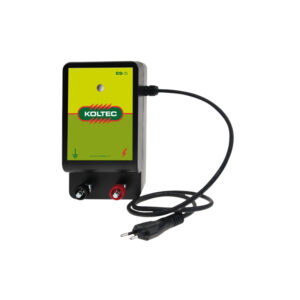
This category includes high-voltage, mains-powered electric fence energisers, mainly from the Koltec SE and LN series. Models listed range from entry-level units like ES-5 and ES-10, suitable for short fences or paddocks, up to powerful units such as SE-440 and SE-500 designed for long, multi-wire fences and demanding conditions. Some energisers include features such as digital displays or paddle-compatible outputs, while others focus on robust construction and wide electrical pulses for reliable performance in difficult environments. Impulse energy rating, peak output voltage, and fence length capability are specified for each model.
These energisers are used in agricultural fencing, perimeter security in forestry work, and containment systems for livestock. In environments with vegetation, wet or frozen soil, units with wide pulse transmission (e.g., SE-series) are useful. Smaller models from the ES-series are suited to hobby farms, paddocks, or temporary fencing. Important specifications include stored energy (joules) and peak voltage output. They are suitable for negative environmental impacts minimised by durable housing, international field conditions, and compliance with IEC or EN standards where CE marking is required.
230 V electric fence energisers rely on mains supply at 230 volts to generate high-voltage pulses, measured in peak voltage and impulse energy (in joules). Key technical characteristics include stored energy max, impulse energy, voltage under load (e.g., at 500 Ω), fence length ratings (with and without accretion), and power consumption. Devices differ by series: for example, entry-level models deliver low stored energy (approximately 0.5-2 J), suitable for short fences; professional models provide higher stored and impulse energy (5-10 J or more) for long, multi-wire or high-wire installations. Variations include models with or without digital displays, alarms, extra outputs or terminals for small paddocks. Construction features often include splash-proof housing for outdoor use. Compliance includes CE marking. When selecting such units, considerations include expected fence length, soil condition (wet, dry, frozen), vegetation growth, load conditions (whether impedance will drop during use), required peak output voltage, and environmental protection rating.
MEMIDOS is a global B2B platform that offers direct purchasing from verified manufacturers and suppliers of industrial equipment. Without intermediaries, procurement processes are more efficient and pricing more transparent. All payments are handled via secure escrow: funds are held by MEMIDOS until agreed conditions such as shipment are satisfied, protecting both buyer and supplier. The platform simplifies international sourcing by providing detailed product specifications, verified supplier credentials, and visible conformity to relevant standards, helping industrial buyers make informed decisions with confidence.
English
Български (Bulgarian)
Hrvatski (Croatian)
Čeština (Czech)
Dansk (Danish)
Nederlands (Dutch)
Suomi (Finnish)
Français (French)
Deutsch (German)
Ελληνικά (Greek)
Magyar (Hungarian)
Italiano (Italian)
Norsk bokmål (Norwegian Bokmål)
Polski (Polish)
Português (Portuguese (Portugal))
Română (Romanian)
Русский (Russian)
Español (Spanish)
Svenska (Swedish)
Türkçe (Turkish)