
Cart
No products in the cart.
 English
 Български (Bulgarian)
 Hrvatski (Croatian)
 Čeština (Czech)
 Dansk (Danish)
 Nederlands (Dutch)
 Suomi (Finnish)
 Français (French)
 Deutsch (German)
 Ελληνικά (Greek)
 Magyar (Hungarian)
 Italiano (Italian)
 Norsk bokmål (Norwegian Bokmål)
 Polski (Polish)
 Português (Portuguese (Portugal))
 Română (Romanian)
 Русский (Russian)
 Español (Spanish)
 Svenska (Swedish)
 Türkçe (Turkish)
Showing all 12 resultsSorted by popularity
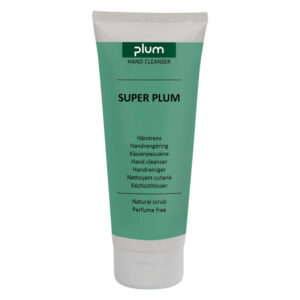
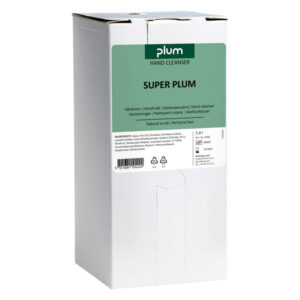
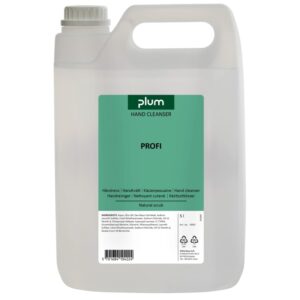
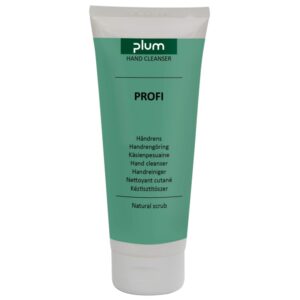
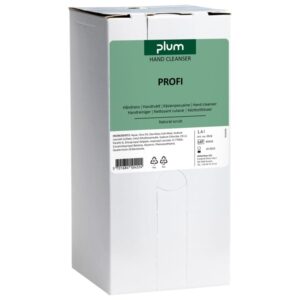
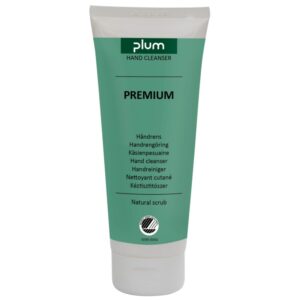
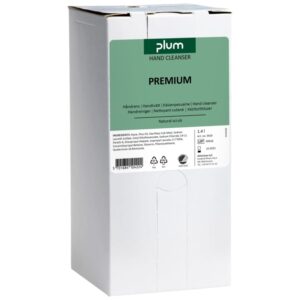
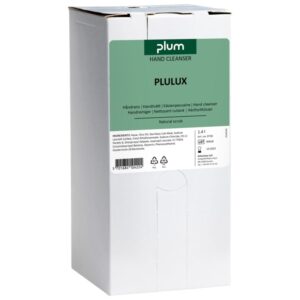
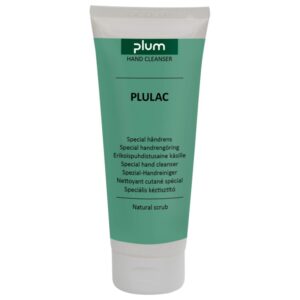
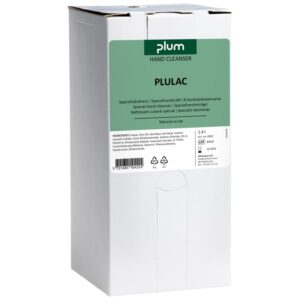
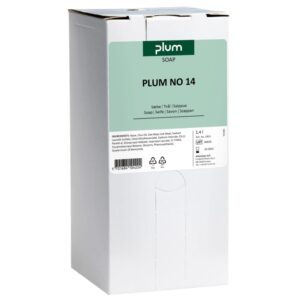
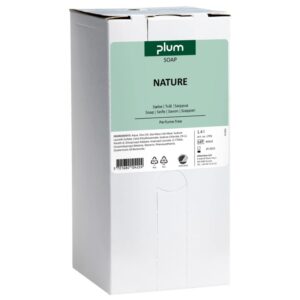
The hand soap and skin cleaners category includes industrial-grade cleansing pastes, cream soaps, and liquid formulations designed to remove contaminants like oil, paint, resin, grease, soot, and other workshop residues from human skin. These products often include abrasives, solvents, or re-greasing agents and are suited for industrial hygiene, manufacturing maintenance, print shops, repair workshops, and facility maintenance environments.
Within this category you will find various industrial hand cleaners: abrasive hand cleaning pastes formulated to tackle stubborn contaminants like paint, varnish, resin, glue, and oil; solvent-free cleaners based on vegetable oils for lighter soils and water-based inks; eco-friendly cream soaps that are fragrance-free, colour-free and paraben-free; and versions with re-greasing additives to help restore skin balance after heavy duty cleaning. Packaging formats include tubes, jugs, and large bag-in-box dispensers.
These hand soap and skin cleaners are used in industrial operations where workers frequently deal with oils, hydraulic fluids, paints, printing inks, resins or adhesives. Typical applications include automobile repair and servicing, metal fabrication and foundries, printing and packaging plants, construction sites, woodworking, forestry, and maintenance workshops. Product listings commonly reference product type and attributes used in procurement systems.
Industrial hand soap and skin cleaners serve the essential function of removing difficult contaminants safely while maintaining skin integrity. Key technical characteristics include abrasive content (such as ground plant material), solvent or solvent-free carrier systems, regreasing or moisturizing agents, viscosity and ability to be wiped or washed off. Physical form factors vary — pastes, cream soaps, liquids — and packaging sizes range from small tubes (~250 ml) to bulk formats (bag-in-box or jug) to meet usage scale demands.
Material compatibility is important: solvents may interact with protective gloves or coatings, while fragrances or dyes may interfere in cleanroom environments or with sensitive skin. Performance parameters include the cleaner’s effectiveness on oil, resin, paint or adhesive soils, its skin tolerance, rinse-off ease, and residue. Standards such as CE marking are noted in some product specifications. Selection considerations involve operating environment (e.g. exposure to heavy oil vs light stains), frequency of use, skin sensitivity or regulatory hygiene requirements, and the need for added skin protection or re-greasing after cleaning.
MEMIDOS is a global B2B platform that connects industrial buyers directly with manufacturers and suppliers, eliminating intermediaries. Buyers benefit from more efficient procurement and competitive pricing. Payment is handled via a secure escrow system, where funds are held until order conditions—such as shipment—are met. Suppliers are verified, ensuring product quality. International procurement is simplified, with better transparency in sourcing industrial hand soap and skin cleaners and related hygiene products.
English
Български (Bulgarian)
Hrvatski (Croatian)
Čeština (Czech)
Dansk (Danish)
Nederlands (Dutch)
Suomi (Finnish)
Français (French)
Deutsch (German)
Ελληνικά (Greek)
Magyar (Hungarian)
Italiano (Italian)
Norsk bokmål (Norwegian Bokmål)
Polski (Polish)
Português (Portuguese (Portugal))
Română (Romanian)
Русский (Russian)
Español (Spanish)
Svenska (Swedish)
Türkçe (Turkish)