
Cart
No products in the cart.
 English
 Български (Bulgarian)
 Hrvatski (Croatian)
 Čeština (Czech)
 Dansk (Danish)
 Nederlands (Dutch)
 Suomi (Finnish)
 Français (French)
 Deutsch (German)
 Ελληνικά (Greek)
 Magyar (Hungarian)
 Italiano (Italian)
 Norsk bokmål (Norwegian Bokmål)
 Polski (Polish)
 Português (Portuguese (Portugal))
 Română (Romanian)
 Русский (Russian)
 Español (Spanish)
 Svenska (Swedish)
 Türkçe (Turkish)
Showing all 13 resultsSorted by popularity
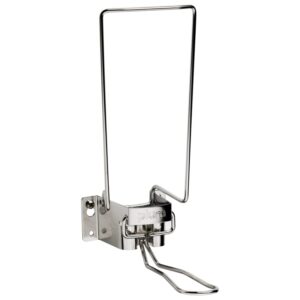
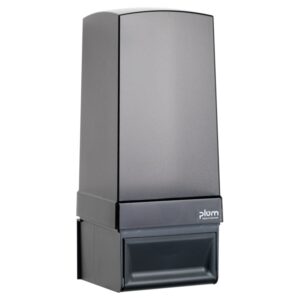
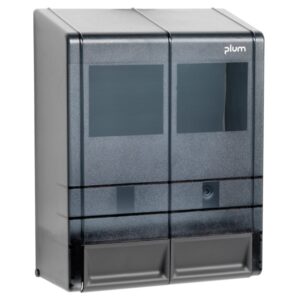
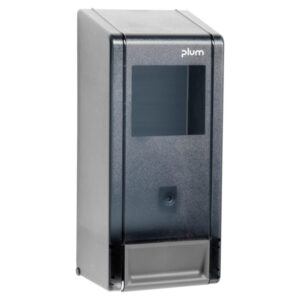
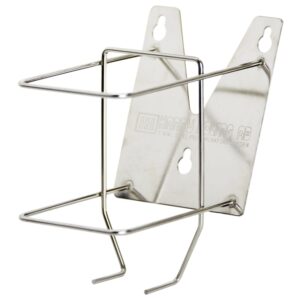
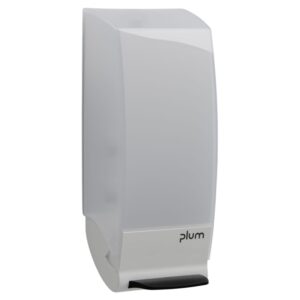
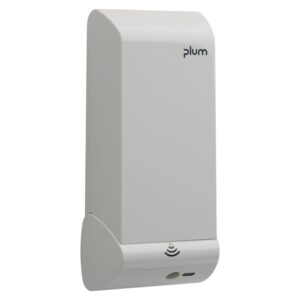
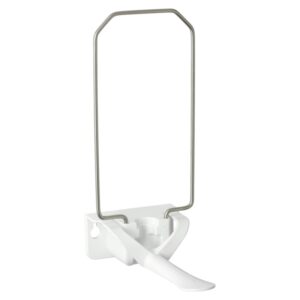
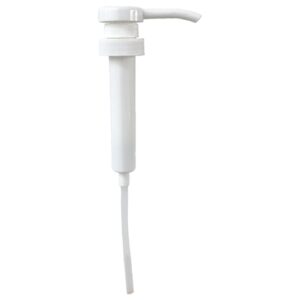
Disinfectant dispensers are industrial-grade devices designed to deliver disinfectant or hand-sanitizing liquids and gel via manual lever, elbow action, or touchless electric mechanisms. They are built to meet hygiene and safety requirements in sterile or high-traffic environments. These units often use materials like stainless steel, ABS plastic, or transparent plastic to ensure durability and visibility of contents.
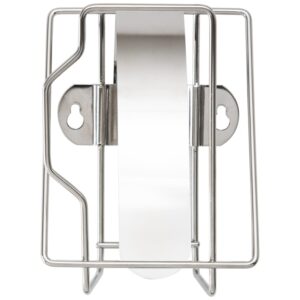
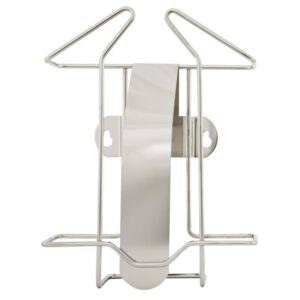
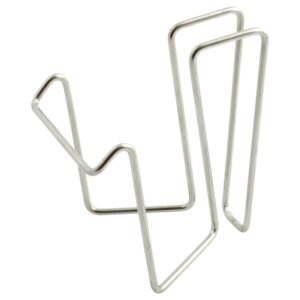
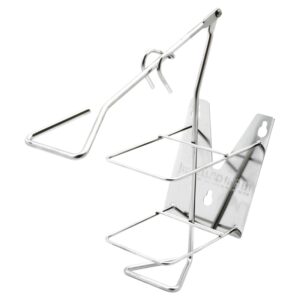
This category features a range of dispensers and related mounting accessories. There are manual ABS-plastic models, stainless steel dispensers with elbow levers or white plastic handles designed to use 1.0 liter sachets, as well as electric contactless dispensers powered by batteries. In addition, there are wall mounts and holders for pump-type containers (e.g. 600 ml), dosage pumps for larger canisters (5.0 l), and accessory parts like stainless steel baskets or wall holders for wipes and cleaning cloths.
Disinfectant dispensers are commonly deployed in healthcare facilities, food processing plants, laboratories, clean rooms, and industrial kitchens, where stringent hygiene is essential. Secondary industries such as pharmaceuticals, hospitality, and educational institutions also rely on them to control contamination. Key terms relevant here include “contactless dispenser”, “bag-in-box dispensing”, and “wall-mount with elbow arm”, reflecting variations in usage and touch points for hygiene-critical environments.
These dispensers serve the primary function of delivering measured doses of disinfectant, gel, or sanitizing liquid to minimize microbial spread. Technical characteristics include capacity—sachets or bag-in-box containers of 0.7 l, 1.0 l, or 1.4 l are typical—alongside materials: stainless steel for corrosion resistance and frequent use; ABS for strength and impact resistance; transparent plastic for content visibility. Electric contactless versions feature motion sensors or infrared activation, run on batteries, and reduce touchpoints.
Other functional variations are manual dispensers operated via elbow lever, white plastic handle, or traditional push with lockable lids, as well as wall mounts for external pump units. Key performance parameters include dispensing volume per activation, compatibility with pouch sizes, chemical resistance ratings, and ease of cleaning surfaces to meet hygiene standards such as CE marking. Installation environment should be considered—wet or sterile zones may require fully sealed or stainless configurations, while mounting type (surface, wall-mounted, or bracketed) affects placement. Where relevant, alignment with local safety and hygiene certifications or compliance to medical facility guidelines is necessary.
MEMIDOS is a global B2B marketplace specialising in industrial equipment. Purchasers gain direct access to manufacturers and verified suppliers without intermediaries. This structure helps ensure procurement is more efficient, transparent, and competitively priced. MEMIDOS handles payment securely with escrow-based systems, holding funds until order conditions such as shipment or delivery are met, protecting both buyer and supplier. By sourcing from verified industrial sources, professional buyers can obtain high-quality disinfectant dispensers with assured compliance and simplified international procurement.
English
Български (Bulgarian)
Hrvatski (Croatian)
Čeština (Czech)
Dansk (Danish)
Nederlands (Dutch)
Suomi (Finnish)
Français (French)
Deutsch (German)
Ελληνικά (Greek)
Magyar (Hungarian)
Italiano (Italian)
Norsk bokmål (Norwegian Bokmål)
Polski (Polish)
Português (Portuguese (Portugal))
Română (Romanian)
Русский (Russian)
Español (Spanish)
Svenska (Swedish)
Türkçe (Turkish)