
Cart
No products in the cart.
 English
 Български (Bulgarian)
 Hrvatski (Croatian)
 Čeština (Czech)
 Dansk (Danish)
 Nederlands (Dutch)
 Suomi (Finnish)
 Français (French)
 Deutsch (German)
 Ελληνικά (Greek)
 Magyar (Hungarian)
 Italiano (Italian)
 Norsk bokmål (Norwegian Bokmål)
 Polski (Polish)
 Português (Portuguese (Portugal))
 Română (Romanian)
 Русский (Russian)
 Español (Spanish)
 Svenska (Swedish)
 Türkçe (Turkish)
Showing all 10 resultsSorted by popularity
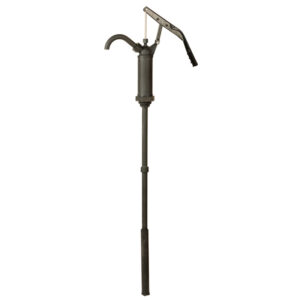
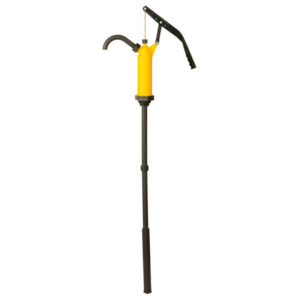
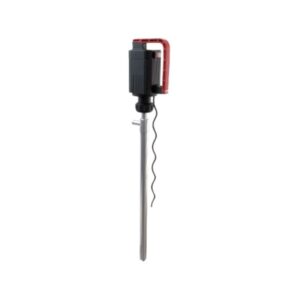
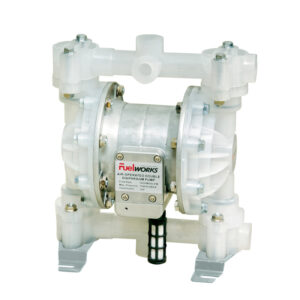
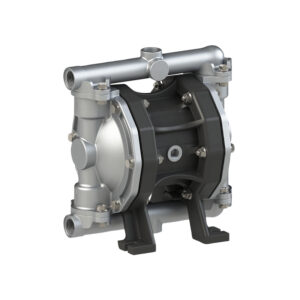
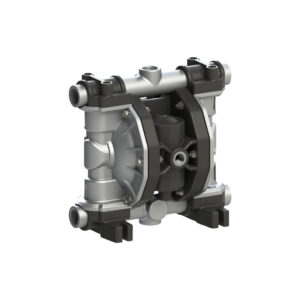
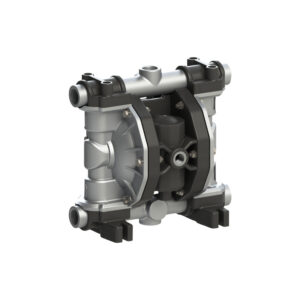
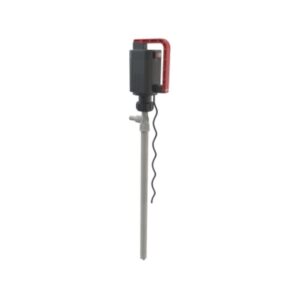
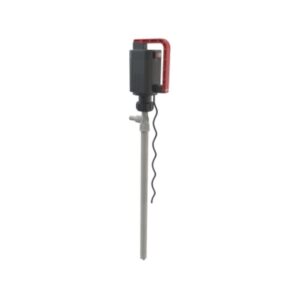
The “Pumps for chemicals” category is a collection of industrial-grade chemical transfer and handling equipment designed for safely moving corrosive, viscous, or hazardous liquids. It includes manual piston pumps, pneumatic double diaphragm pumps, and electric transfer pumps—used by engineers, safety managers, and procurement professionals seeking rated fluid pumps for acids, bases, strong chemicals, viscous liquids, and industrial transfer applications.
This category features manual piston pumps engineered for strong chemicals and acids, ideal for drum dispensing with materials like Teflon seals and polypropylene components. Pneumatic double diaphragm pumps are available in several flow capacities—such as 55 L/min, 100 L/min, and 165 L/min—these are self-priming, dry-running capable, and constructed with materials including aluminium housings, Hytrel®/PTFE diaphragms, and Viton® seals. Also included are electric transfer pumps for chemicals with suction pipes made from polypropylene, stainless steel (AISI 316), or PVDF. These electric models are designed for use in drums or IBC tanks and include suitable safety features.
Pumps for chemicals are applied in chemical processing plants for transferring acids, bases, or aggressive solvents between containers. In laboratory and pharmaceutical environments, manual piston pumps are used for precise dosing of strong chemicals, nitric acid or other reagents. Pneumatic double diaphragm pumps are commonly deployed in industrial washing, abrasive mixing, or where fluids contain particulates, due to their dry-running capability and robust construction. Electric transfer pumps serve fluid transfer from drums or IBCs in manufacturing, water treatment, or agrochemical sectors, where viscosity or compatibility of wetted materials—like PVDF or stainless steel—is critical.
Pumps for chemicals are designed to transport or lift liquids that may be corrosive, viscous, or laden with particulates. Key parameters include flow rate (e.g., 55 L/min, 100 L/min, 165 L/min for double diaphragm types), maximum suction lift (often around 5 m), and viscosity handling up to certain thresholds (~900 cps for some electric transfer models). Wetted materials—such as PTFE, Viton®, Hytrel®, stainless steel (AISI 316), polypropylene, or PVDF—are selected based on chemical compatibility.
Pneumatic double diaphragm pumps are air-powered, self-priming, and capable of dry running, useful when electricity is not available or fluids are flammable. Electric transfer pumps use impellers driven by motors (230 VAC or 12/24 VDC versions), often with safety switches to prevent accidental activation after power loss. The manual piston pump is operated by hand, suitable for drums 60–220 litres, using chemical-resistant seals and polypropylene components.
Standards and certifications play roles: e.g., ATEX 2014/34/EU compliance for pneumatic diaphragm pumps intended for use in explosive atmospheres; CE marking for electric pumps. Selection considerations include fluid viscosity, solids content, chemical aggressiveness, temperature limits, safety classification of environment (hazardous area or not), required flow rate, suction lift, and power supply availability. Material compatibility, pump type (manual, pneumatic, electric), and background environment (indoor lab vs plant floor) all impact performance.
MEMIDOS is a global B2B platform connecting industrial buyers directly with verified manufacturers and suppliers of chemical handling pumps. Without intermediaries, the procurement process becomes more efficient and pricing more transparent. Payment is secure and escrow-based: MEMIDOS holds funds until agreed order conditions—such as product dispatch—are met, protecting buyers while ensuring payment reliability for suppliers. The platform simplifies international sourcing, delivering access to chemical-compatible pump equipment with detailed specifications from trusted sources.
English
Български (Bulgarian)
Hrvatski (Croatian)
Čeština (Czech)
Dansk (Danish)
Nederlands (Dutch)
Suomi (Finnish)
Français (French)
Deutsch (German)
Ελληνικά (Greek)
Magyar (Hungarian)
Italiano (Italian)
Norsk bokmål (Norwegian Bokmål)
Polski (Polish)
Português (Portuguese (Portugal))
Română (Romanian)
Русский (Russian)
Español (Spanish)
Svenska (Swedish)
Türkçe (Turkish)