
Cart
No products in the cart.
 English
 Български (Bulgarian)
 Hrvatski (Croatian)
 Čeština (Czech)
 Dansk (Danish)
 Nederlands (Dutch)
 Suomi (Finnish)
 Français (French)
 Deutsch (German)
 Ελληνικά (Greek)
 Magyar (Hungarian)
 Italiano (Italian)
 Norsk bokmål (Norwegian Bokmål)
 Polski (Polish)
 Português (Portuguese (Portugal))
 Română (Romanian)
 Русский (Russian)
 Español (Spanish)
 Svenska (Swedish)
 Türkçe (Turkish)
Showing all 6 resultsSorted by popularity
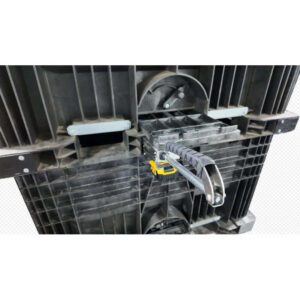
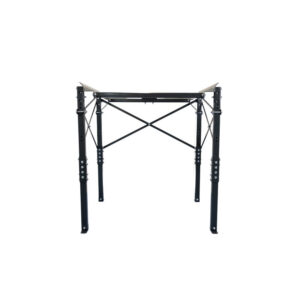
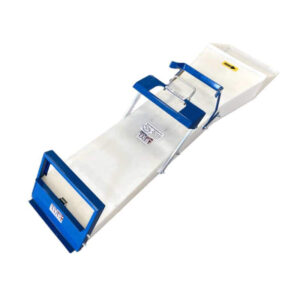
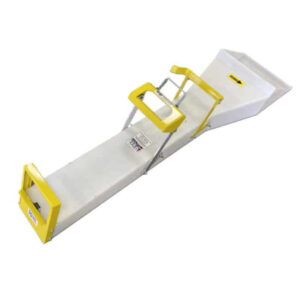
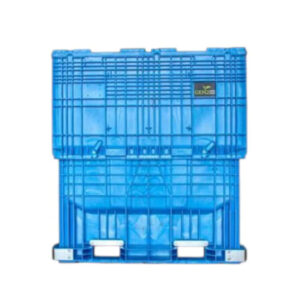
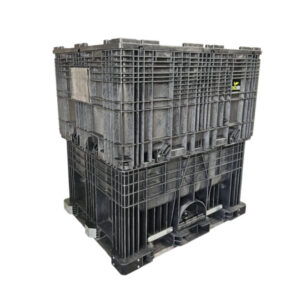
Transport and storage boxes are industrial-grade containers designed for moving and storing materials such as seeds, pellets, salts, or other bulk substances. These products include storage boxes, discharge frames, automated damper actuators, and unloading chutes. They serve key functions in production logistics, material handling, bulk transport, and warehouse operations, delivering durability, containment, and precise flow control.
On this category page you will see several types of transport and storage solutions. These include storage and transport boxes, especially large-capacity units designed for bulk materials. There are also discharge frames used for emptying containers, unloading chutes with differing spout widths, and automated damper actuators for controlling flow. Accessories for transport boxes are also included, supporting integration or modification of the boxes.
These transport and storage boxes are used in industries handling bulk solids—agriculture, food processing, chemical or mineral industries—where safe storage of seeds, pellets, or salts is critical. Unloading chutes and discharge frames are employed in facilities needing controlled discharge of material into conveyors, hoppers, or processing lines. Automated damper actuators help regulate flow automatically in production logistics. Supporting accessories ensure compatibility with transport systems or handling equipment in operational plants and warehouses.
Transport and storage boxes are load-bearing containers built to hold bulk material volumes. One example capacity shown is 1,650 liters. Key technical characteristics include material compliance for food or chemical contact (such as “FDA” rating), structural integrity to handle static and dynamic loads, flow control components like damper actuators, and various discharge geometries (e.g. chute widths of about 190.5 mm and 254 mm). Variations include solid storage and transport box units versus chute attachments or frame-only assemblies. These products must meet tolerances for dimensional accuracy, sealing when storage is required, and regulatory standards where relevant—e.g., food safety, chemical resistance. When selecting, consider the environmental conditions (temperature, humidity, exposure to chemicals), the load type (bulk solid type, moisture content), compatibility with existing material handling equipment (e.g., discharge chutes, conveyors), and compliance with hygiene or safety requirements in the process chain.
MEMIDOS is a global B2B platform connecting industrial buyers and suppliers worldwide. You can purchase transport and storage boxes directly from manufacturers and verified suppliers without intermediaries. This removes extra layers in the supply chain and supports more efficient procurement with competitive pricing. Payments are handled securely and escrow-based, so funds are held by MEMIDOS until order conditions—such as shipment—are met, protecting buyers while ensuring reliability for suppliers. Access to high-quality industrial products is maintained through supplier verification. The platform simplifies international procurement and brings transparency into sourcing.
English
Български (Bulgarian)
Hrvatski (Croatian)
Čeština (Czech)
Dansk (Danish)
Nederlands (Dutch)
Suomi (Finnish)
Français (French)
Deutsch (German)
Ελληνικά (Greek)
Magyar (Hungarian)
Italiano (Italian)
Norsk bokmål (Norwegian Bokmål)
Polski (Polish)
Português (Portuguese (Portugal))
Română (Romanian)
Русский (Russian)
Español (Spanish)
Svenska (Swedish)
Türkçe (Turkish)