
Cart
No products in the cart.
 English
 Български (Bulgarian)
 Hrvatski (Croatian)
 Čeština (Czech)
 Dansk (Danish)
 Nederlands (Dutch)
 Suomi (Finnish)
 Français (French)
 Deutsch (German)
 Ελληνικά (Greek)
 Magyar (Hungarian)
 Italiano (Italian)
 Norsk bokmål (Norwegian Bokmål)
 Polski (Polish)
 Português (Portuguese (Portugal))
 Română (Romanian)
 Русский (Russian)
 Español (Spanish)
 Svenska (Swedish)
 Türkçe (Turkish)
Showing all 9 resultsSorted by popularity
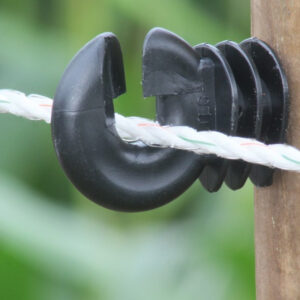
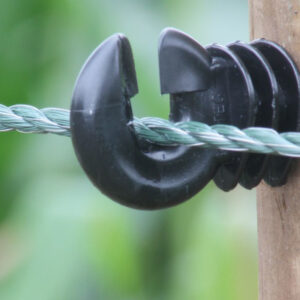
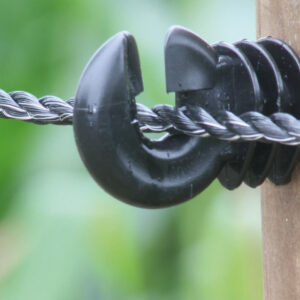
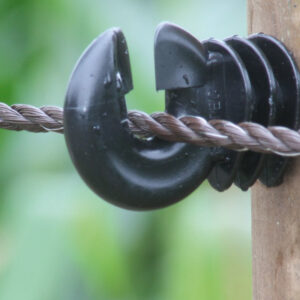
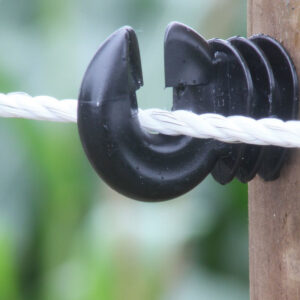
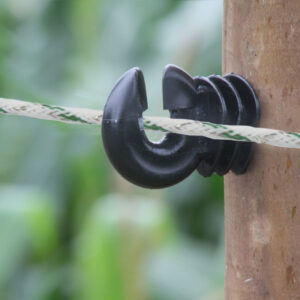
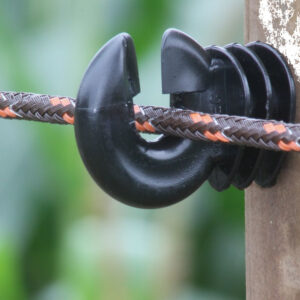
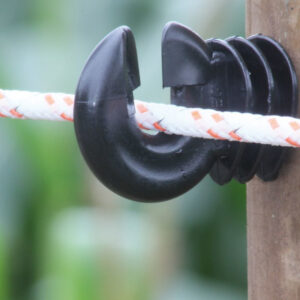
“Rope for electric fence” refers to industrial-grade ropes designed to carry electrical current as part of a fencing system for containment and control. These ropes feature embedded conductors and are made from insulating polymers such as polypropylene or polyethylene. Engineers and procurement professionals often search for specifications such as diameter in millimeters, tensile strength, conductor type, weather resistance, and conductor resistance when selecting rope for electric fence applications.
This category includes rope for electric fence in various colors, thicknesses, and polymer materials. Visible types include white rope made of polypropylene at 5 mm diameter; ropes in polyethylene at 6 mm diameter in green, black, brown, or white; mixed‐colour rope (white & green) at diameters such as 4 mm and 6 mm; and other variations with the same base material and differing non-metallic insulation. Each product variant is differentiated by material, colour, and diameter.
Industrial buyers in agriculture, livestock management, or property enclosure use this rope in electric fencing to restrain or guide animals, protect perimeters, and subdivide land. Common product names and variations include electric fencing rope, energised fence rope and conductor rope. Typical use cases include temporary or permanent fencing systems, pasture division, rotational grazing, and boundary protection where visible, electrically conductive rope is required.
These ropes combine an insulating polymer jacket—commonly polypropylene or polyethylene—with internal conductors (often stainless steel strands) to ensure electric continuity while resisting environmental damage. Diameters observed range around 4 mm to 6 mm, with thicker variants offering greater mechanical strength. Key technical characteristics include conductor resistance per metre, breaking strength in kilograms, number of conductors, and maximum advised fence length. Colour choice (white, green, brown, black, or mixed colours) affects visibility for animals and landscape aesthetics. Polypropylene tends to be lighter-weight and more flexible; polyethylene offers higher UV and abrasion resistance. Standards such as CE marking may indicate compliance with EU safety and electrical insulation requirements. Selection should consider operating conditions—such as exposure to sunlight, tension applied, expected load, weather extremes and the compatibility of rope size with clip-on fittings and electric energiser output.
MEMIDOS serves as a global B2B platform focusing on industrial products and technical supplies. Buyers access ropes directly from verified manufacturers and suppliers without intermediaries, improving procurement efficiency and cost transparency. All transactions on the platform are protected by escrow: funds are held securely until order conditions, such as shipment or delivery, are confirmed. This arrangement provides protection for buyers and ensures reliable payment for suppliers. Industrial purchasers benefit from consistent quality and technical specification details, simplifying international sourcing and ensuring compatibility with existing systems.
English
Български (Bulgarian)
Hrvatski (Croatian)
Čeština (Czech)
Dansk (Danish)
Nederlands (Dutch)
Suomi (Finnish)
Français (French)
Deutsch (German)
Ελληνικά (Greek)
Magyar (Hungarian)
Italiano (Italian)
Norsk bokmål (Norwegian Bokmål)
Polski (Polish)
Português (Portuguese (Portugal))
Română (Romanian)
Русский (Russian)
Español (Spanish)
Svenska (Swedish)
Türkçe (Turkish)