
Cart
No products in the cart.
 English
 Български (Bulgarian)
 Hrvatski (Croatian)
 Čeština (Czech)
 Dansk (Danish)
 Nederlands (Dutch)
 Suomi (Finnish)
 Français (French)
 Deutsch (German)
 Ελληνικά (Greek)
 Magyar (Hungarian)
 Italiano (Italian)
 Norsk bokmål (Norwegian Bokmål)
 Polski (Polish)
 Português (Portuguese (Portugal))
 Română (Romanian)
 Русский (Russian)
 Español (Spanish)
 Svenska (Swedish)
 Türkçe (Turkish)
Showing all 10 resultsSorted by popularity
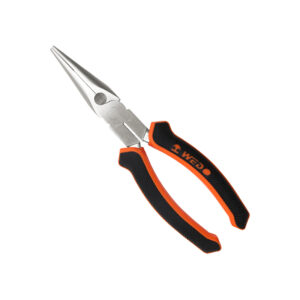
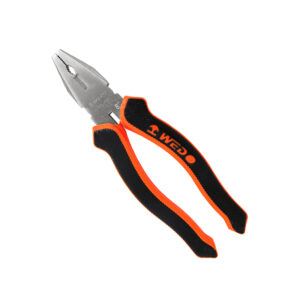
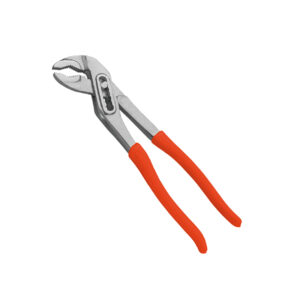
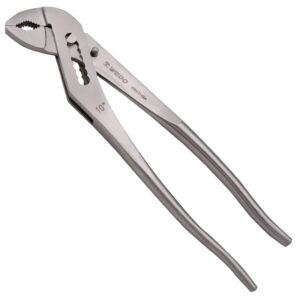
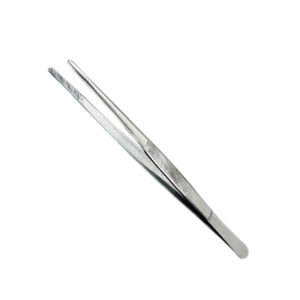
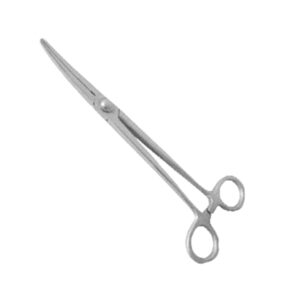
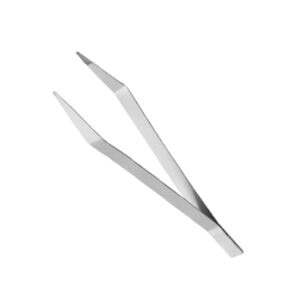
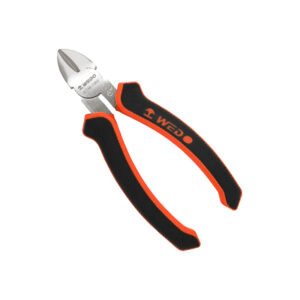
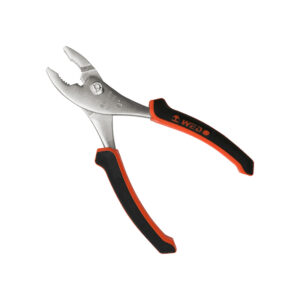
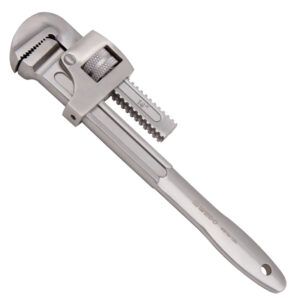
Pliers - stainless steel refers to hand tools made entirely or primarily from stainless steel, designed for gripping, cutting, bending, and manipulating materials in industrial environments. These tools offer corrosion resistance, durability, and precision for tasks in demanding settings. Stainless steel pliers are essential in corrosion-sensitive sectors, maintenance, precision work, and wherever hygiene or long-term exposure to moisture or chemicals is involved.
In this category you’ll find several types of stainless steel pliers and related tools. Long nose or pointed pliers are included for reaching into narrow or tight spaces. Diagonal cutting pliers (also called side cutters or bidet pliers) offer sharp cutting capabilities. Combination pliers or universal pliers provide a mix of cutting and gripping. Flat nose tweezers and general tweezers are suited for precision handling. There are also waterpump-type adjustable pliers (polygrip or multi-pliers) and the British-type adjustable pipe wrenches for working with pipes and fittings. In addition, you’ll see forceps and specialized tweezers for fine and technical work.
Stainless steel pliers are used in industries like food processing, pharmaceutical manufacture, marine and offshore maintenance, laboratory work, and sanitation where corrosion resistance and hygienic materials are required. They serve in electrical work when cutting wires or stripping insulation, in piping and plumbing for tightening or loosening pipe fittings using adjustable pipe wrenches, and in precision fields such as electronics and watchmaking where pointed or flat-nose tweezers are essential. They are also selected for tasks requiring precision tools and high corrosion resistance.
Pliers in stainless steel are valued for their primary function: applying mechanical leverage to grip, cut, or manipulate materials. Key technical characteristics include material grade (commonly 304 stainless steel), which determines corrosion resistance, hardness, and wear resistance. Sizes range from small tweezers and forceps (around 100-200 mm) to larger adjustable pipe wrenches up to 900 mm. Performance parameters include jaw opening span, cutting edge angle and sharpness (for cutting pliers), tensile strength of pivot and handle joints, and whether handles or surfaces are polished or passivated to resist contamination or rust.
Common variations include long-nose (pointed) pliers for access in tight spaces, diagonal cutters for wire cutting, combination pliers that blend cutting and gripping, waterpump/multi-pliers for large or irregular objects, and pipe wrenches specifically designed to grip cylindrical surfaces. Stainless steel pliers must often meet standards such as DIN, ASME, or GB depending on geography. Certifications may include CE marking or equivalent for tool safety. When selecting these tools, considerations include ambient environment (corrosive, wet, hygienic), operating conditions (temperature, chemical exposure), required size, and compatibility with materials to be cut or gripped.
MEMIDOS is a global B2B platform providing access to industrial products including stainless steel pliers directly from manufacturers and verified suppliers without intermediaries. Buyers benefit from procurement efficiency and competitive pricing by avoiding middle-men. Payment is handled securely via escrow, where funds are held until order conditions such as shipment are met; this protects buyers and ensures payment reliability for suppliers. The platform simplifies international sourcing with transparent product data and quality assurances from verified sources, helping procurement professionals obtain high-quality tools with confidence.
English
Български (Bulgarian)
Hrvatski (Croatian)
Čeština (Czech)
Dansk (Danish)
Nederlands (Dutch)
Suomi (Finnish)
Français (French)
Deutsch (German)
Ελληνικά (Greek)
Magyar (Hungarian)
Italiano (Italian)
Norsk bokmål (Norwegian Bokmål)
Polski (Polish)
Português (Portuguese (Portugal))
Română (Romanian)
Русский (Russian)
Español (Spanish)
Svenska (Swedish)
Türkçe (Turkish)