
Cart
No products in the cart.
 English
 Български (Bulgarian)
 Hrvatski (Croatian)
 Čeština (Czech)
 Dansk (Danish)
 Nederlands (Dutch)
 Suomi (Finnish)
 Français (French)
 Deutsch (German)
 Ελληνικά (Greek)
 Magyar (Hungarian)
 Italiano (Italian)
 Norsk bokmål (Norwegian Bokmål)
 Polski (Polish)
 Português (Portuguese (Portugal))
 Română (Romanian)
 Русский (Russian)
 Español (Spanish)
 Svenska (Swedish)
 Türkçe (Turkish)
Showing all 14 resultsSorted by popularity
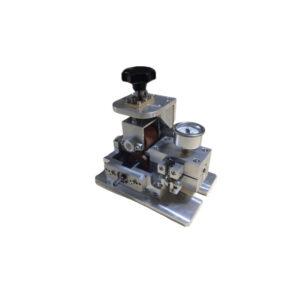
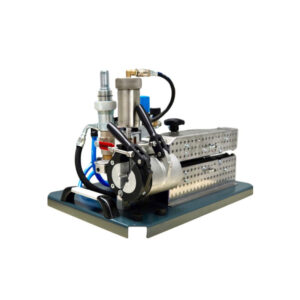
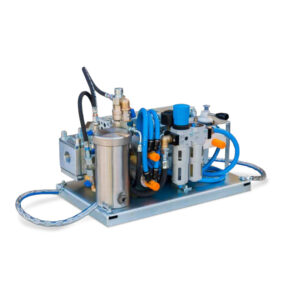
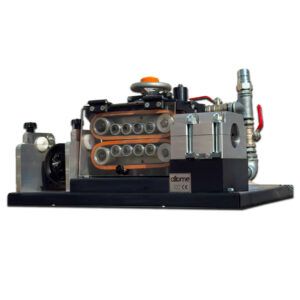
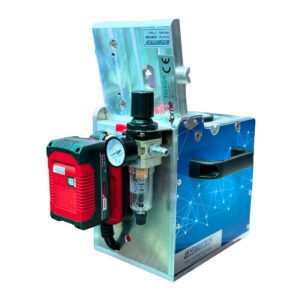
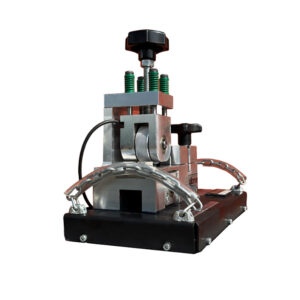
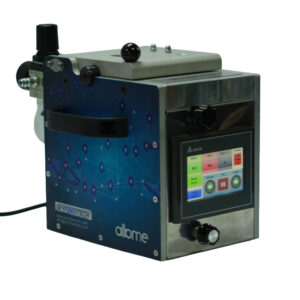
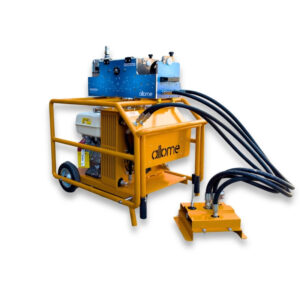
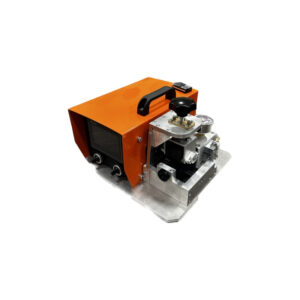
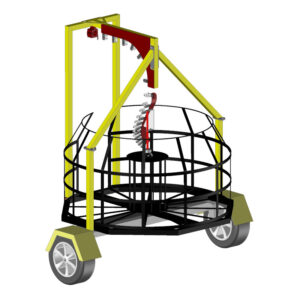
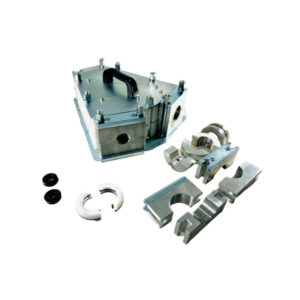
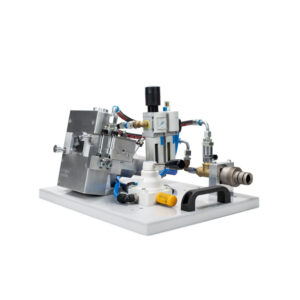
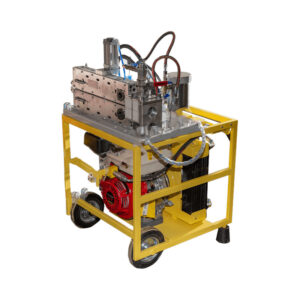
Cable blowing machines are industrial equipment designed for the pneumatic, hydraulic, or mechanised installation of optical fiber, micro cables, or optical cables into ducts or micro-ducts. They are commonly used for fibre optic cable installation and require consideration of cable and duct compatibility, cable blowing speed, hydraulic pushing force, air-powered cable feeding, and corded or cordless drive systems.
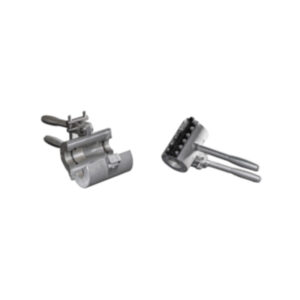
This category includes a range of cable blowing machines and related tools. Examples are compact blowers using compressed air (DrillFOK, MikroFOK), electrically driven pushing machines, and hydraulic cable blowing systems (e.g. HydroSKY) supporting cable sizes from about 1 mm up to 24 mm in diameter. There are also specialised accessories such as cable duct connection tools (split duct couplers) designed to link ducts during cable blowing operations.
These machines are used for deploying fibre optic cables in telecommunications networks, especially for fibre-to-the-home (FTTH), fiber backbone installations, and underground or micro-duct infrastructure. Considerations include duct diameter compatibility and optical cable feeding. Applications often involve tight spaces or long duct runs where precise cable feeding speed and force are necessary. Accessories like duct couplers help maintain system integrity during blowing and linking sections of conduit.
Cable blowing machines serve to install cable into ducts using airflow, hydraulic force, or mechanical drive. Key performance parameters include the outer diameter of cable supported, duct outer diameter, pushing force or air pressure, and cable advance speed. For instance, hydraulic models support cable diameters from 6 mm to 24 mm and ducts up to ~63 mm OD, with pushing velocities up to 180 m/min and pushing force up to 200 kg. Air-powered or compressed-air machines are rated by air inlet pressure (often around 12–16 bar) and air flow rate, and used for smaller cables (1–8 mm) and ducts in the ~8–20 mm range. Mechanical drive variations may use a standard drilling machine to power rollers. Essential technical characteristics include type of drive (hydraulic, pneumatic, electric, or drill-powered), control of speed and direction, cable support components like beds or rollers, alignment tools, sealing systems, and material compatibility (e.g. aluminium, stainless components) to resist corrosion or environmental load. Common compliance includes CE marking for safety, and selection must consider environmental factors (e.g. protection from moisture, field conditions), load (cable diameter and duct structure), compatibility (cable and duct matching, drive unit), and operating conditions (air pressure, hydraulic pressure, speed). Variations differ in size range, drive method, mobility, and control interfaces (manual vs remote control).
MEMIDOS is a global B2B platform where industrial equipment purchasers can buy directly from manufacturers and suppliers without intermediaries. This model reduces overhead and supports more efficient procurement with competitive pricing. All transactions are secured via escrow-based payment handling, where funds are held until order conditions—such as shipment—are met, protecting buyers while ensuring supplier reliability. Verified suppliers offer access to quality industrial cable blowing machines, simplifying international procurement and increasing sourcing transparency for engineers, technicians, and procurement professionals.
English
Български (Bulgarian)
Hrvatski (Croatian)
Čeština (Czech)
Dansk (Danish)
Nederlands (Dutch)
Suomi (Finnish)
Français (French)
Deutsch (German)
Ελληνικά (Greek)
Magyar (Hungarian)
Italiano (Italian)
Norsk bokmål (Norwegian Bokmål)
Polski (Polish)
Português (Portuguese (Portugal))
Română (Romanian)
Русский (Russian)
Español (Spanish)
Svenska (Swedish)
Türkçe (Turkish)