
Cart
No products in the cart.
 English
 Български (Bulgarian)
 Hrvatski (Croatian)
 Čeština (Czech)
 Dansk (Danish)
 Nederlands (Dutch)
 Suomi (Finnish)
 Français (French)
 Deutsch (German)
 Ελληνικά (Greek)
 Magyar (Hungarian)
 Italiano (Italian)
 Norsk bokmål (Norwegian Bokmål)
 Polski (Polish)
 Português (Portuguese (Portugal))
 Română (Romanian)
 Русский (Russian)
 Español (Spanish)
 Svenska (Swedish)
 Türkçe (Turkish)
Showing all 11 resultsSorted by popularity
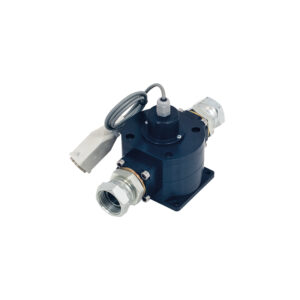
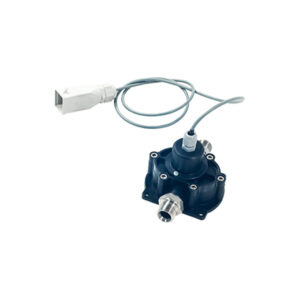
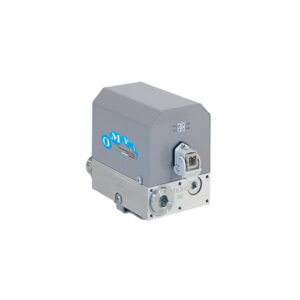
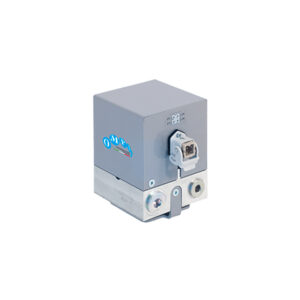
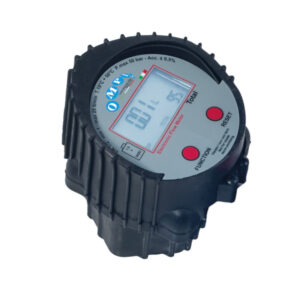
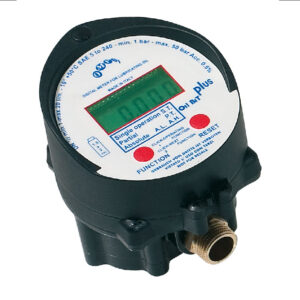
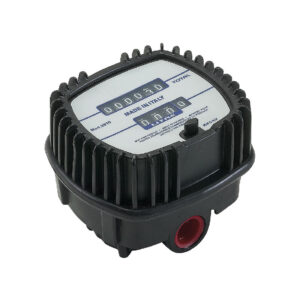
Oil and fluid meters are measurement devices used in industrial and automotive settings to quantify the flow or volume of oils, antifreeze, diesel, AdBlue®, or other fluids. These meters deliver accurate readings under various pressures and temperatures. Ideal for engineers, technicians, and procurement professionals, these fluid flow meters provide critical data in lubrication, dosing, fuel management, and fluid transfer applications.
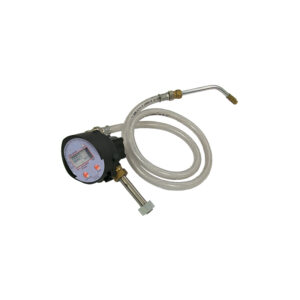
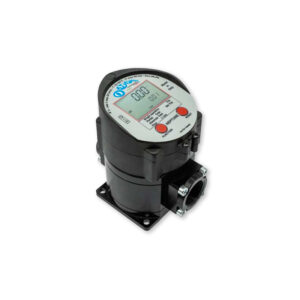
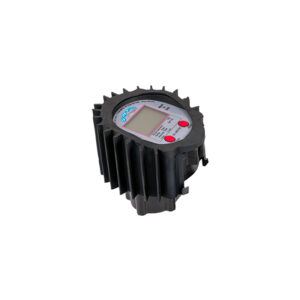
This category features several types of oil and fluid meters. There are electronic turbine flow meters designed for AdBlue® applications. Digital oil/antifreeze meters with backlit displays and maximum flow rates around 1-30 L/min. Mechanical flow meters with oval gears, suitable for oil and antifreeze, often with inline totalizers. Four-digit mechanical diesel oil meters capable of higher flow ranges like 20-120 L/min. Digital oil meters configured for attachment to dispensing guns. All meters include standardized connection types such as ½″ BSP or 1″ BSP and cover pressure ratings up to 70 bar depending on type.
Oil and fluid meters are used broadly across workshops, service stations, industrial plants, and fleet maintenance garages. In lubrication systems, they monitor and control oil or antifreeze flow for machinery. In fuel systems, diesel oil meters measure consumption through dispensing processes. AdBlue® flow meters assist on sites where selective catalytic reduction is used, ensuring precise dosing. These meters also support compliance with fluid handling standards and maintenance routines in automotive repair and manufacturing sectors.
Oil and fluid meters function by measuring volumetric flow through mechanical or electronic means. Key technical characteristics include flow range (e.g. 1-30 L/min or 20-120 L/min), maximum working pressure (often up to 70 bar), temperature tolerances (typically from 0-10 °C up to 50 °C), connection type (such as ½″ BSP or 1″ BSP), and meter accuracy or precision (e.g. ± 0.5 %). Materials include aluminium bodies and rigid or flexible hoses. Variations include mechanical meters (oval gear and totalizer based), digital versions with preset or backlit displays, turbine meters for high flow rates or specific fluids like AdBlue®, and meters designed to attach to dispensing guns. Standards and certifications featured include CE marking. Certifications tied into metrology (e.g. fluid viscosity specifications) may be relevant. Environment and load are important selection factors: fluid type (oil, antifreeze, AdBlue®), operating temperature, pressure profile, flow requirement, connection compatibility, and durability or compatibility with working fluids all affect suitability.
MEMIDOS is a global B2B platform connecting industrial buyers with verified manufacturers and suppliers. By purchasing oil and fluid meters through MEMIDOS, procurement professionals gain direct access to manufacturers without intermediaries, ensuring procurement efficiency and competitive pricing. Secure escrow-based payment handling holds funds until order conditions, such as shipment, are met, offering protection for buyers and assurance for suppliers. The platform simplifies international sourcing by enhancing transparency and granting access to industrial-grade equipment backed by credible suppliers.
English
Български (Bulgarian)
Hrvatski (Croatian)
Čeština (Czech)
Dansk (Danish)
Nederlands (Dutch)
Suomi (Finnish)
Français (French)
Deutsch (German)
Ελληνικά (Greek)
Magyar (Hungarian)
Italiano (Italian)
Norsk bokmål (Norwegian Bokmål)
Polski (Polish)
Português (Portuguese (Portugal))
Română (Romanian)
Русский (Russian)
Español (Spanish)
Svenska (Swedish)
Türkçe (Turkish)