
Cart
No products in the cart.
 English
 Български (Bulgarian)
 Hrvatski (Croatian)
 Čeština (Czech)
 Dansk (Danish)
 Nederlands (Dutch)
 Suomi (Finnish)
 Français (French)
 Deutsch (German)
 Ελληνικά (Greek)
 Magyar (Hungarian)
 Italiano (Italian)
 Norsk bokmål (Norwegian Bokmål)
 Polski (Polish)
 Português (Portuguese (Portugal))
 Română (Romanian)
 Русский (Russian)
 Español (Spanish)
 Svenska (Swedish)
 Türkçe (Turkish)
Showing all 9 resultsSorted by popularity
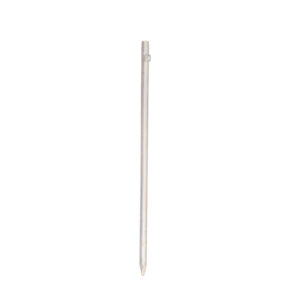
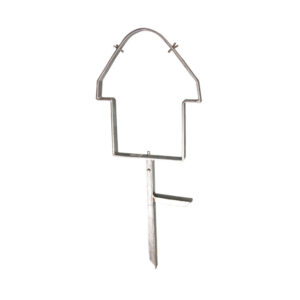
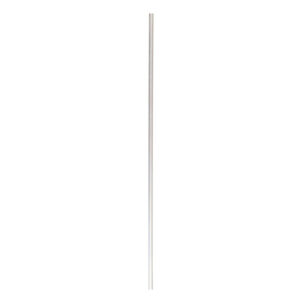
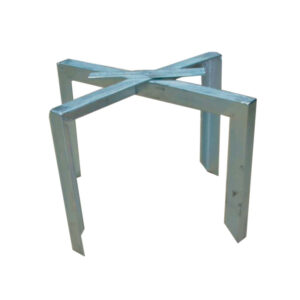
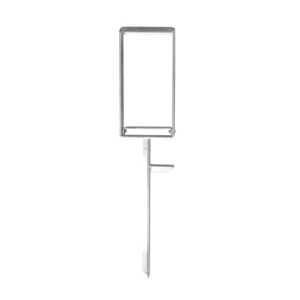
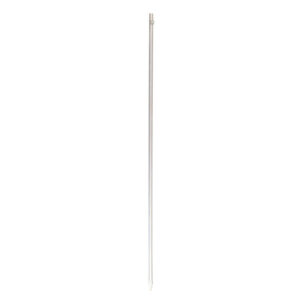
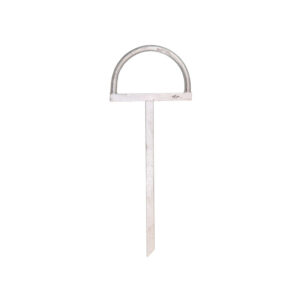
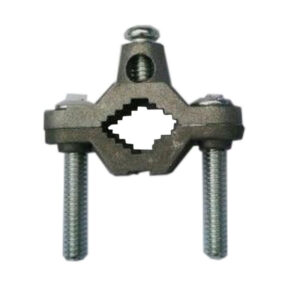
Earthing for electric fence refers to the components essential for grounding an electric fence system to ensure safe and effective operation. This category includes earthing devices like earth spikes, connection clamps, sleeves, mounting frames and bases. These products are designed to provide reliable ground path for fence energisers, helping with surge protection, reducing interference, and maintaining proper voltage performance in livestock or perimeter security systems.
This category offers a range of earthing components including earth spikes in multiple lengths such as short 450 mm and long 1000 mm versions, and a 750 mm spike for mobile installations. There are connection accessories like clamps and sleeves suited to specific spike diameters. Also included are mounting frames and mounting bases engineered for battery electric fence energiser units, sometimes integrating grounding into their design. These items are intended for use together in establishing an effective earthing setup.
Products in this category are used where electric fences need grounded installations for farms, ranches, agricultural boundaries, or security perimeters. Earthing components help ensure fence energisers perform correctly in wet or dry soil conditions, reduce electrical resistance, and prevent dangerous fault currents. Typical uses include grounding spike systems and mounting solutions for electric fence energisers. Additionally, mobile or temporary electric fencing setups make use of specific spikes and clamps to maintain reliable earthing during relocation.
An earthing system in an electric fence setup is responsible for establishing a low-resistance path from the fence energiser to the earth. Key technical characteristics include the material (often hot-dip galvanized steel or durable metal alloys), dimensions (lengths from 450 mm to 1000 mm, and diameter such as Ø 12-14 mm), and the shape (round, angle iron) of earth spikes. Mounting frames and bases must provide structural stability and, where integrated, allow grounding connections. Performance parameters include electrical conductivity, resistance to corrosion, and compliance with typical electrical grounding standards. Variations occur in size (short, long, mobile), shape (solid rod vs angle iron), welding or forging, and accessory compatibility (sleeves for linking multiple spikes, clamps for wire connection). Environmental conditions such as soil type, moisture, frost, and chemical exposure influence spike selection. Standards like CE may apply. Selection considerations involve matching spike length and diameter to soil resistivity, desired depth, compatibility with the energiser’s grounding output, and ensuring connectors match the spike diameter.
MEMIDOS is a global B2B platform connecting industrial buyers with manufacturers and suppliers directly, eliminating intermediaries. Buyers access verified earthing components sourced from producers who design to specification. Procurement is streamlined, secure and transparent through escrow-based payment handling, where funds are held until order conditions are satisfied. This reduces risk in international sourcing while ensuring reliability. Industrial purchasers benefit from consistent product quality, efficient procurement cycles, and competitive pricing due to direct supply relationships.
English
Български (Bulgarian)
Hrvatski (Croatian)
Čeština (Czech)
Dansk (Danish)
Nederlands (Dutch)
Suomi (Finnish)
Français (French)
Deutsch (German)
Ελληνικά (Greek)
Magyar (Hungarian)
Italiano (Italian)
Norsk bokmål (Norwegian Bokmål)
Polski (Polish)
Português (Portuguese (Portugal))
Română (Romanian)
Русский (Russian)
Español (Spanish)
Svenska (Swedish)
Türkçe (Turkish)