
Cart
No products in the cart.
 English
 Български (Bulgarian)
 Hrvatski (Croatian)
 Čeština (Czech)
 Dansk (Danish)
 Nederlands (Dutch)
 Suomi (Finnish)
 Français (French)
 Deutsch (German)
 Ελληνικά (Greek)
 Magyar (Hungarian)
 Italiano (Italian)
 Norsk bokmål (Norwegian Bokmål)
 Polski (Polish)
 Português (Portuguese (Portugal))
 Română (Romanian)
 Русский (Russian)
 Español (Spanish)
 Svenska (Swedish)
 Türkçe (Turkish)
Showing 1–16 of 68 resultsSorted by popularity
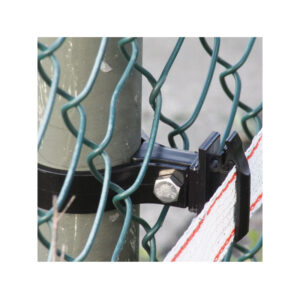
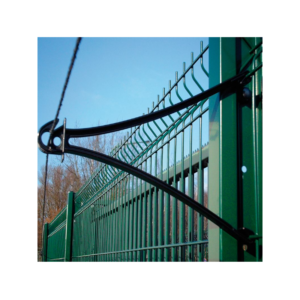
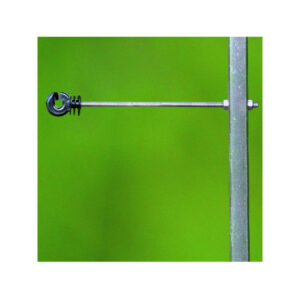
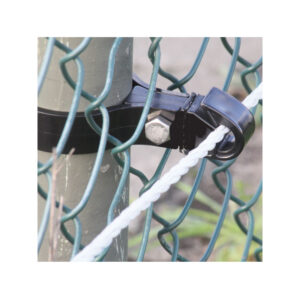
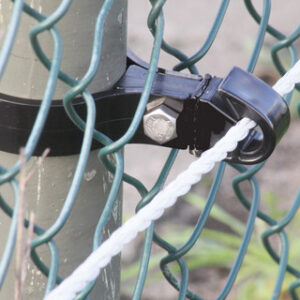
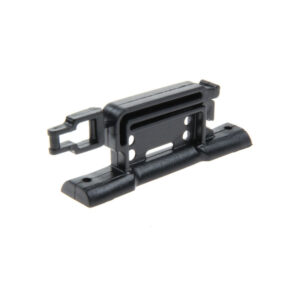
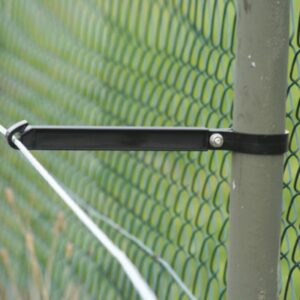

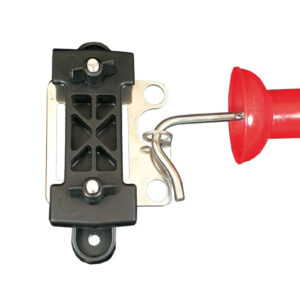
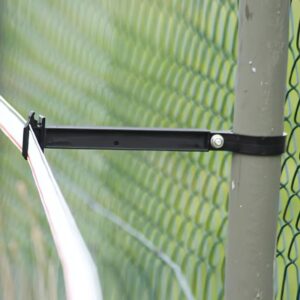
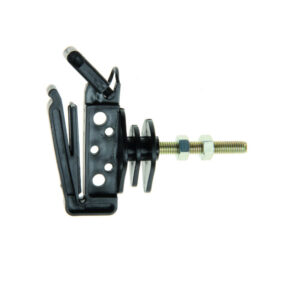
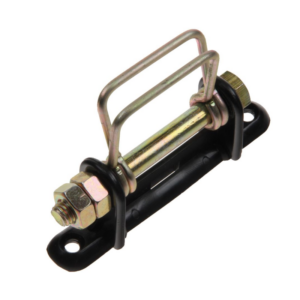
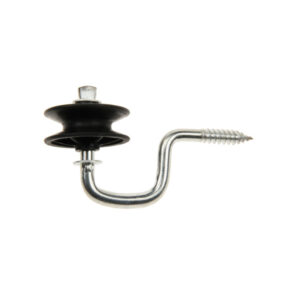
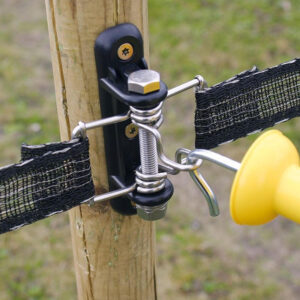
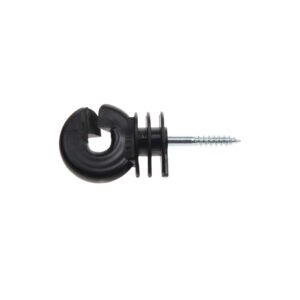
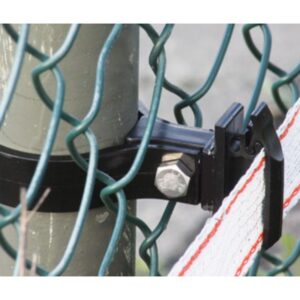
Insulators for electrical fence are components designed to isolate live electric wires or tape from posts and supporting structures in electric fencing systems. These fence insulators play a critical role in insulating charge-carrying elements to maintain safety and efficiency. These components, including ring insulators, tape insulators, and corner insulators, are essential for industrial fence setups, livestock containment, and agriculture fencing systems.
Within this category you will find several product types explicitly listed: offset insulators, various insulators, ring insulators, tape insulators, screwing tools (for installing insulators), corner insulators, and netting and fence insulators. Each serves a distinct function along electric fence installations: offset insulators enable distancing from posts, ring options secure round posts, tape insulators accommodate flat conductor materials, corner insulators support tension changes at angles, and netting/fence insulators integrate with mesh or net fencing. Screwing tools support fastening hardware necessary for installation.
Insulators for electrical fence are used in agriculture, livestock, and farming operations to contain animals safely and restrict wildlife intrusion. They also appear in forestry settings to protect saplings or prevent grazing damage. Secondary use cases include perimeters around sensitive installations where high-voltage isolation is vital, and in renewable energy farms to protect infrastructure. Considerations for selection and specification include fence insulator compatibility, tension management, and ultraviolet resistance.
These products serve to electrically insulate the live conductor—whether tape, wire, or netting—from grounded posts or structural elements. Materials commonly used include durable plastics or polymers, and sometimes ceramics or composites, chosen for dielectric strength, mechanical strength, and environmental resistance such as UV, moisture, and temperature extremes. Key dimensions concern diameter of posts (e.g. round or square), thickness or width of tape, or wire gauge, and distance or offset from post required to prevent arcing. Functional variations include ring insulators (for circular posts), tape insulators (for flat conductor carriers), corner insulators (for changes in run direction), offset insulators (for spacing), and netting/fence insulators that work with mesh structures. Performance parameters include voltage rating (kV rating), insulation resistance, creep distance, and mechanical load (tension in the conductor). Compliance considerations may involve relevant electrical safety standards or regional regulations governing fencing around livestock or public access. Selection depends on environment (exposure to sun, heat, cold), conductor type (wire, tape, netting), post material, operating voltage, and required spacing.
MEMIDOS operates as a global B2B platform connecting industrial purchasers with manufacturers and suppliers directly. By eliminating middlemen, procurement becomes more efficient and pricing more transparent. Purchasing workflows include secure, escrow‐based payment handling, where funds are held by MEMIDOS until order conditions such as shipment are satisfied, providing protection for buyers and assurance for suppliers. The platform offers access to verified suppliers and industrial‐grade products, simplifying international sourcing and enhancing traceability in supply chains.
English
Български (Bulgarian)
Hrvatski (Croatian)
Čeština (Czech)
Dansk (Danish)
Nederlands (Dutch)
Suomi (Finnish)
Français (French)
Deutsch (German)
Ελληνικά (Greek)
Magyar (Hungarian)
Italiano (Italian)
Norsk bokmål (Norwegian Bokmål)
Polski (Polish)
Português (Portuguese (Portugal))
Română (Romanian)
Русский (Russian)
Español (Spanish)
Svenska (Swedish)
Türkçe (Turkish)