
Cart
No products in the cart.
 English
 Български (Bulgarian)
 Hrvatski (Croatian)
 Čeština (Czech)
 Dansk (Danish)
 Nederlands (Dutch)
 Suomi (Finnish)
 Français (French)
 Deutsch (German)
 Ελληνικά (Greek)
 Magyar (Hungarian)
 Italiano (Italian)
 Norsk bokmål (Norwegian Bokmål)
 Polski (Polish)
 Português (Portuguese (Portugal))
 Română (Romanian)
 Русский (Russian)
 Español (Spanish)
 Svenska (Swedish)
 Türkçe (Turkish)
Showing 49–64 of 314 resultsSorted by popularity
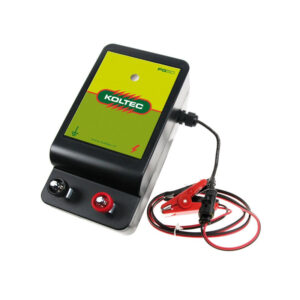

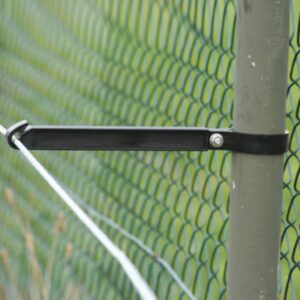
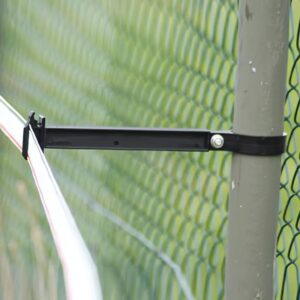
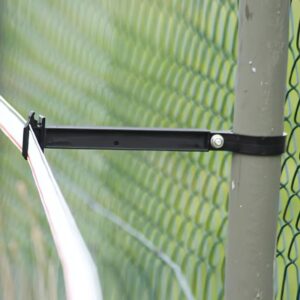
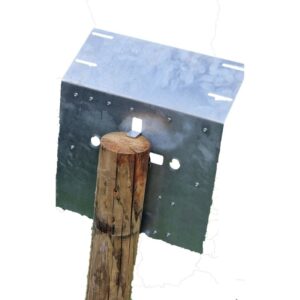
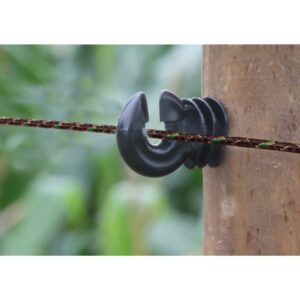
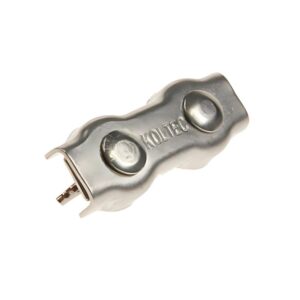
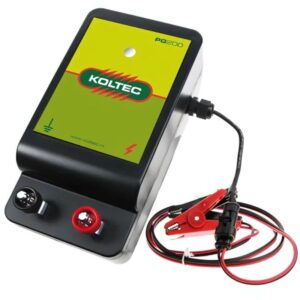
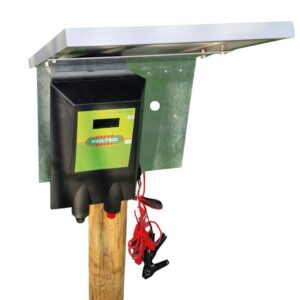
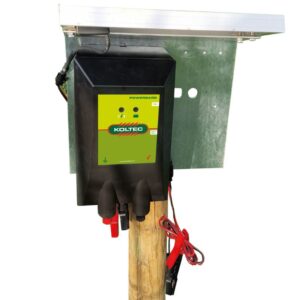
Electric fencing refers to systems and components designed to provide a high-voltage pulse along wires, tapes, or nets to contain livestock or protect property. It includes electrified energisers, conductors such as metal or poly wire, various insulators, gate materials, grounding (earthing) components, and accessories. Industrial buyers often search for electric fence systems, energisers, conductive wires, and insulators meeting safety and durability standards.
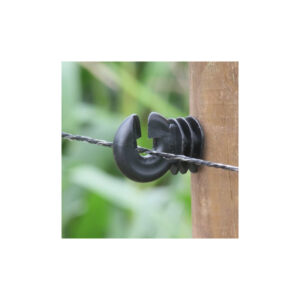
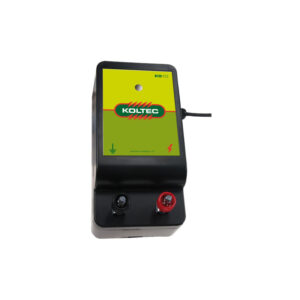
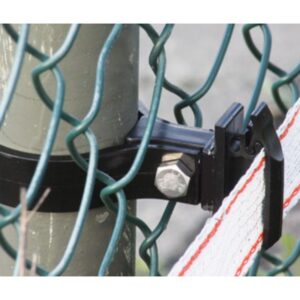
This category offers an array of electric fencing products: gate materials including gate handles, rollgates and complete gate kits; components for grounding or earthing; various conductive elements like poly wire, metal wire, aluminum wire, fence tape, rope and cable; energisers powered by mains (230 V), battery, solar or external sources; insulators in numerous types, such as ring, offset, corner, tape, and more; as well as supplementary accessories including wire tensioners, high-voltage cable, connection material, wire reels, fence testers and measure & test equipment.
Electric fencing systems are used widely in agriculture and livestock management for containing cattle, pigs, sheep, and other animals. They are employed for boundary control, pasture subdivision, predator deterrence and rotational grazing systems. Typical uses include farm fence installation and animal containment systems. The materials are suited for outdoor installations exposed to weather, UV light, moisture, and seasonal temperature variation in farm or forestry environments.
Electric fencing systems function by delivering periodic high-voltage pulses (often several kilovolts) through conductive elements—wires, tapes, nets—powered via energisers. Key technical parameters include voltage output, pulse duration and frequency (usually measured in joules), insulation resistance, and conductor resistance. Conductive materials vary: metal wires (steel, aluminum) offer low resistance and high tensile strength; poly wire or rope include nonmetallic fibers for visibility and flexibility. Insulators isolate the conductor from supporting posts; types differ by geometry (ring, corner, offset) and material (plastic, ceramics) which affects dielectric strength and weather resistance. Gate materials integrate handles and anchors engineered to maintain insulation and continuity. Grounding systems ensure safe return paths with appropriate earth spikes or earthing components. Standards to observe include electrical safety regulations, voltage limits, and compatibility with voltage sources; installation environment (soil type, moisture), load (length of fence, number of animals), and climatic conditions are critical selection considerations.
MEMIDOS is a global B2B platform facilitating direct access between industrial buyers and verified manufacturers and suppliers without intermediaries. This structure allows procurement professionals to secure electric fencing equipment efficiently and transparently. Buyer protection is supported by secure escrow-based payment handling—funds are held until specified order conditions like shipment are met—while verified suppliers maintain product quality. The platform simplifies international sourcing by offering clear product specifications and a wide range of components for electric fencing systems in one place.
English
Български (Bulgarian)
Hrvatski (Croatian)
Čeština (Czech)
Dansk (Danish)
Nederlands (Dutch)
Suomi (Finnish)
Français (French)
Deutsch (German)
Ελληνικά (Greek)
Magyar (Hungarian)
Italiano (Italian)
Norsk bokmål (Norwegian Bokmål)
Polski (Polish)
Português (Portuguese (Portugal))
Română (Romanian)
Русский (Russian)
Español (Spanish)
Svenska (Swedish)
Türkçe (Turkish)