
Cart
No products in the cart.
 English
 Български (Bulgarian)
 Hrvatski (Croatian)
 Čeština (Czech)
 Dansk (Danish)
 Nederlands (Dutch)
 Suomi (Finnish)
 Français (French)
 Deutsch (German)
 Ελληνικά (Greek)
 Magyar (Hungarian)
 Italiano (Italian)
 Norsk bokmål (Norwegian Bokmål)
 Polski (Polish)
 Português (Portuguese (Portugal))
 Română (Romanian)
 Русский (Russian)
 Español (Spanish)
 Svenska (Swedish)
 Türkçe (Turkish)
Showing all 7 resultsSorted by popularity
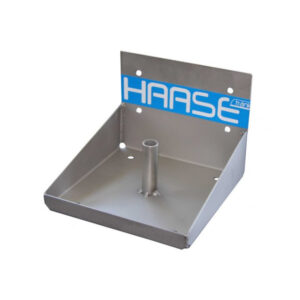
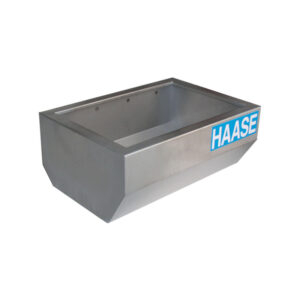
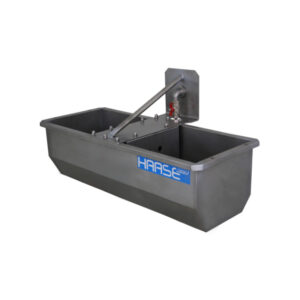
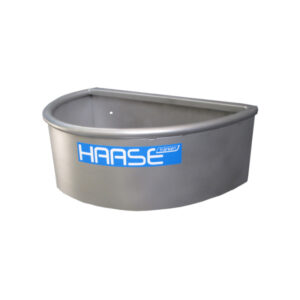
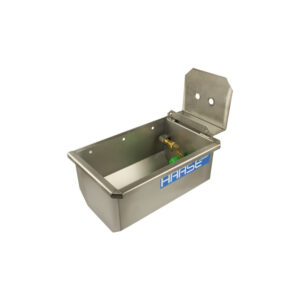
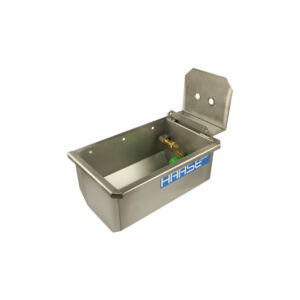
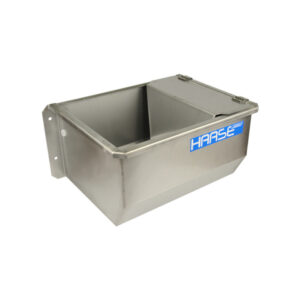
The Horses category refers to livestock equipment designed for feeding and drinking needs of horses. It includes stainless steel feeding and drinking equipment built for industrial scale stable, barn, and pasture use. Typical products include “horse drinking troughs,” “horse feed troughs,” “stainless steel stable equipment,” and “livestock waterers.”
This category includes Horses drinking equipment and Horses feeding equipment items. Under drinking equipment, you will find drinking troughs in various capacities and styles, including wall-mounted troughs, troughs with float valves, hinged covers, and tank-mounted double drinkers. The feeding equipment section features stainless steel feed troughs in semi-circular designs with drain plugs for hygienic cleaning.
These products are used in equine facilities such as stables, paddocks, barns, and mobile water wagon systems. Drinking troughs provide water supply to horses under varying load and environmental conditions, while feed troughs deliver feed in secure, clean access points. Related products include “livestock hydration equipment” and “stable feeding solutions.” These items support animal husbandry operations, supply chain logistics for feed and water, and agricultural infrastructure where equine welfare and hygiene are priorities.
The Horses category encompasses stainless steel feeding and drinking devices made for durable operation in livestock settings. Key materials are generally food-grade stainless steel, offering corrosion resistance and ease of cleaning. Typical parameters include volume capacity (e.g. 16 to 60 litres), valve type (float valves), drain outlets of various diameters (e.g. 1¼″, 2″), wall mounting or wagon mounting, and hinged covers for hygiene. Tolerances for manufacturing will ensure leak protection and robust welds or fastening systems. Standards like CE marking may apply for components such as float valves and materials. Common variations include single drinker versus double drinker troughs, feed-only units versus combined feed-and-water systems, wall-mounted versus tank-mounted versions. Industrial buyers evaluating these items need to consider operating environment (indoor barns, outdoor paddocks), water pressure and supply connection compatibility, load from animal interaction, ease of cleaning for biosecurity, and capacity to meet herd size and water/feed consumption needs.
MEMIDOS is a global B2B platform where industrial buyers procure equipment directly from verified manufacturers and suppliers without intermediaries. In this category, you can source horse feeding and drinking equipment directly, avoiding middle men, which streamlines procurement and supports more competitive pricing. Payments are handled securely and escrow-based: funds are held until order conditions such as shipment are met, thus providing protection for buyers and payment assurance for suppliers. This structure improves transparency in sourcing and simplifies international procurement for equine and livestock facility operators.
English
Български (Bulgarian)
Hrvatski (Croatian)
Čeština (Czech)
Dansk (Danish)
Nederlands (Dutch)
Suomi (Finnish)
Français (French)
Deutsch (German)
Ελληνικά (Greek)
Magyar (Hungarian)
Italiano (Italian)
Norsk bokmål (Norwegian Bokmål)
Polski (Polish)
Português (Portuguese (Portugal))
Română (Romanian)
Русский (Russian)
Español (Spanish)
Svenska (Swedish)
Türkçe (Turkish)