
Cart
No products in the cart.
 English
 Български (Bulgarian)
 Hrvatski (Croatian)
 Čeština (Czech)
 Dansk (Danish)
 Nederlands (Dutch)
 Suomi (Finnish)
 Français (French)
 Deutsch (German)
 Ελληνικά (Greek)
 Magyar (Hungarian)
 Italiano (Italian)
 Norsk bokmål (Norwegian Bokmål)
 Polski (Polish)
 Português (Portuguese (Portugal))
 Română (Romanian)
 Русский (Russian)
 Español (Spanish)
 Svenska (Swedish)
 Türkçe (Turkish)
Showing 33–42 of 42 resultsSorted by popularity
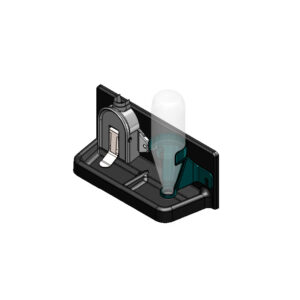
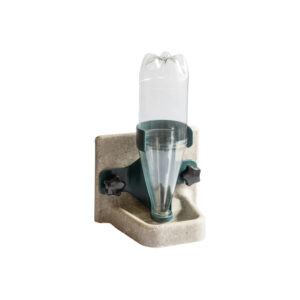
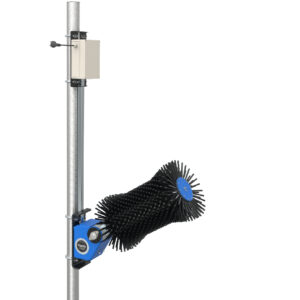
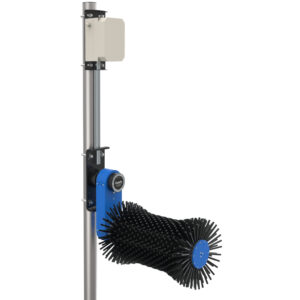
Livestock equipment refers to specialised tools and machinery used in animal husbandry. This includes feeding troughs, drinking troughs, animal brushes, lick stone holders and transport trolleys designed for farm animals. Examples include stainless steel feeding systems, cattle drinking equipment, and animal welfare accessories. These products enable professionals to maintain hygiene, ensure proper nutrition, and reduce handling time.
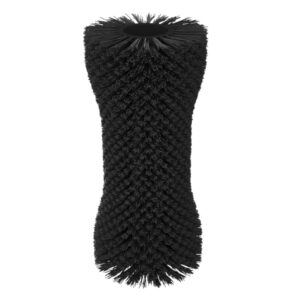
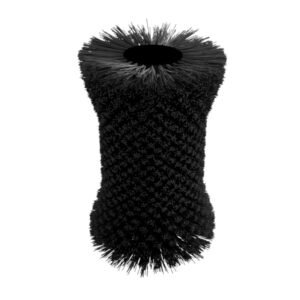
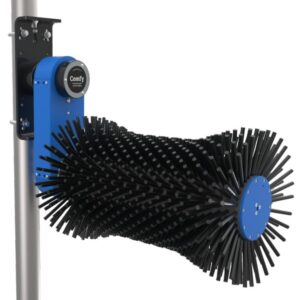
The livestock equipment category features stainless steel feed troughs in various capacities, including large 260-liter troughs for cattle and horses, offering features such as forklift slots and reinforced side panels. Also available are drinking troughs ranging from small 16-liter wall mounted models to larger pasture troughs fitted with float valves and drain outlets. You’ll find animal brushes of both stationary and rotating types, designed for cow comfort. Additional items include lick stone holders, calf transport trolleys—some with integrated scales—and washbasins or sinks suited to livestock hygiene tasks.
These products are used across dairy, beef, equine and mixed farms. Feeding troughs and drinking troughs are essential in barns, pastures or feeding stations to deliver water and feed efficiently, supporting nutrition management and hydration control. Animal brushes are applied for hygiene and welfare routines, reducing stress and promoting skin health. Calf trolleys with scales assist in mobility and weight monitoring. Lick stone holders complement mineral supplementation regimes. Common items include cattle feeding equipment, livestock drinking equipment and animal welfare tools.
Livestock equipment must meet specific technical standards for durability, hygiene, and performance. Materials are commonly stainless steel or galvanized steel to resist corrosion and facilitate cleaning. Capacities range from small troughs of around 16 liters for young animals to large 260-liter pasture troughs. Key performance parameters include float valves size (½″ or ¾″), drain outlet diameters (1¼″ to 2″), wall-mounting versus floor or pasture mounting, and structural integrity via cross-bars or forklift slots. Animal brushes vary by motor type (e.g. 24V brushless), rotation speed, safety sensors, and bristle material. Transport trolleys must support load tolerance for ease of movement. Certifications may include CE marking for safety and hygiene. Environmental and operational compatibility such as indoor/outdoor exposure, temperature ranges, water connection types, and cleaning frequency should be considered, along with load capacity, mounting options and installation constraints.
MEMIDOS operates as a global B2B platform connecting industrial buyers directly with manufacturers and verified suppliers. By eliminating intermediaries, procurement processes become more efficient and cost-effective. Purchase transactions are handled with secure, escrow-based payment where funds are held until order conditions, such as shipment or delivery, are met—ensuring protection for buyers and payment assurance for suppliers. Verified suppliers ensure high quality of industrial livestock equipment. International sourcing is simplified with transparency in product specifications, supplier credentials, and payment security.
English
Български (Bulgarian)
Hrvatski (Croatian)
Čeština (Czech)
Dansk (Danish)
Nederlands (Dutch)
Suomi (Finnish)
Français (French)
Deutsch (German)
Ελληνικά (Greek)
Magyar (Hungarian)
Italiano (Italian)
Norsk bokmål (Norwegian Bokmål)
Polski (Polish)
Português (Portuguese (Portugal))
Română (Romanian)
Русский (Russian)
Español (Spanish)
Svenska (Swedish)
Türkçe (Turkish)