
Cart
No products in the cart.
 English
 Български (Bulgarian)
 Hrvatski (Croatian)
 Čeština (Czech)
 Dansk (Danish)
 Nederlands (Dutch)
 Suomi (Finnish)
 Français (French)
 Deutsch (German)
 Ελληνικά (Greek)
 Magyar (Hungarian)
 Italiano (Italian)
 Norsk bokmål (Norwegian Bokmål)
 Polski (Polish)
 Português (Portuguese (Portugal))
 Română (Romanian)
 Русский (Russian)
 Español (Spanish)
 Svenska (Swedish)
 Türkçe (Turkish)
Showing all 12 resultsSorted by popularity
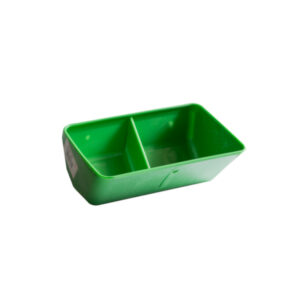
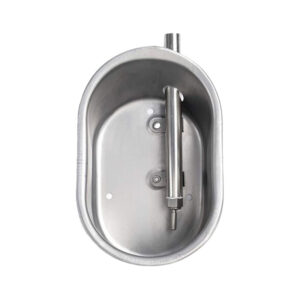
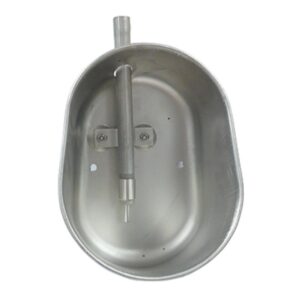
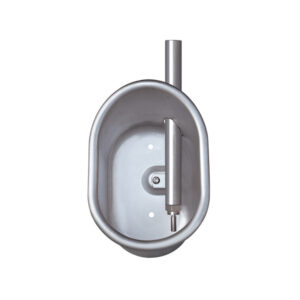
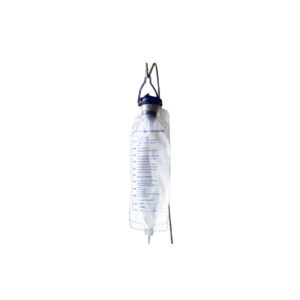
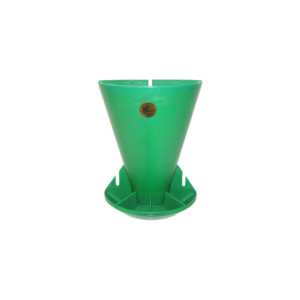
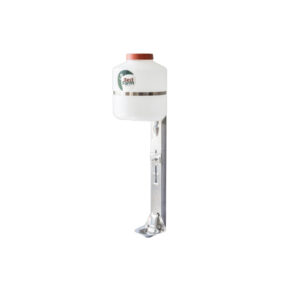
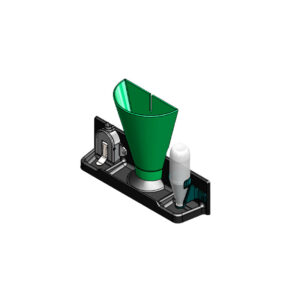
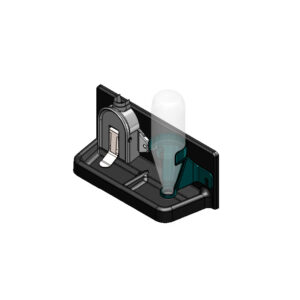
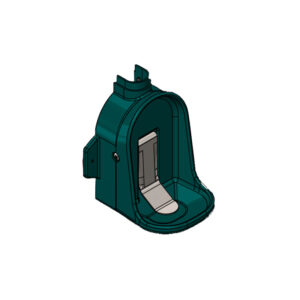
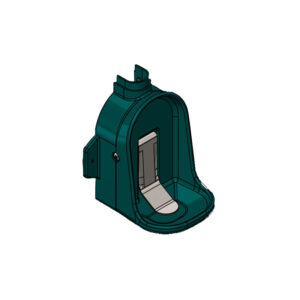
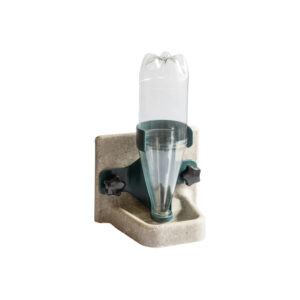
The “pigs” category encompasses equipment and accessories designed for swine production, including piglets and finishing pigs. It features piglet feeding equipment, drinking equipment for pigs, accessories for piglet drinking equipment, and piglet drinking equipment. This group supports industrial livestock operations, helping professionals manage feeding, hydration, and accessory systems for pigs efficiently.
In this category, you will find piglet feeding equipment suited to early growth stages. There are drinking equipment options for pigs, including piglet drinking equipment and accessories tailored to those drinking systems. Piglet drinking equipment is presented alongside accessories specific to those systems, and there are also general drinking equipment solutions for older pigs. All products are built for livestock equipment use in pig husbandry and related agricultural settings.
These products are used in swine barns, pig farms, and livestock production facilities where efficient feeding and drinking systems are essential. Piglet feeding equipment supports weaning and early-stage growth, while drinking equipment for pigs ensures hydration integrity across stages of growth. Accessories for piglet drinking equipment enhance hygiene and operational continuity, reducing downtime. Common applications include pig hydration systems and swine feeding infrastructure.
Equipment in this category must meet technical standards for durability, sanitation, capacity, and compatibility. Materials are typically stainless steel, plastics, or robust alloys resistant to corrosion and animal wear. Piglet feeding equipment must handle small volumes accurately, with feeding capacity and flow rates matched to piglet size. Drinking equipment for pigs often includes bowls, cups, or nipples; key performance parameters include water delivery rate, pressure sensitivity, and sealing to prevent leaks. Accessories for piglet drinking equipment might include mounting fixtures, water regulators, or filters. Functional variations exist between piglet-specific systems (smaller flow, gentle delivery) and finishing pig systems (higher volume, more rugged design). Hygienic standards such as wash-down compatibility and easy clean surfaces are important. Compliance with livestock welfare, food safety, and animal health regulations may affect design choices, especially where water sanitation and feeding hygiene are regulated. When selecting equipment, considerations include environment (temperature, humidity), load (number of animals served), compatibility with existing plumbing or feed systems, operating pressures, and ease of cleaning or maintenance in-line with health standards.
MEMIDOS is a global B2B platform offering industrial livestock equipment directly from verified manufacturers and suppliers. By eliminating intermediaries, procurement becomes more efficient and pricing reflects actual manufacturer costs. Payment is handled through a secure escrow system, where funds are held until order conditions such as shipment are met, offering protection for buyers and payment certainty for suppliers. Buyers gain access to high-quality industrial products with transparency in sourcing, simplifying international procurement without unnecessary delays or hidden costs.
English
Български (Bulgarian)
Hrvatski (Croatian)
Čeština (Czech)
Dansk (Danish)
Nederlands (Dutch)
Suomi (Finnish)
Français (French)
Deutsch (German)
Ελληνικά (Greek)
Magyar (Hungarian)
Italiano (Italian)
Norsk bokmål (Norwegian Bokmål)
Polski (Polish)
Português (Portuguese (Portugal))
Română (Romanian)
Русский (Russian)
Español (Spanish)
Svenska (Swedish)
Türkçe (Turkish)