
Cart
No products in the cart.
 English
 Български (Bulgarian)
 Hrvatski (Croatian)
 Čeština (Czech)
 Dansk (Danish)
 Nederlands (Dutch)
 Suomi (Finnish)
 Français (French)
 Deutsch (German)
 Ελληνικά (Greek)
 Magyar (Hungarian)
 Italiano (Italian)
 Norsk bokmål (Norwegian Bokmål)
 Polski (Polish)
 Português (Portuguese (Portugal))
 Română (Romanian)
 Русский (Russian)
 Español (Spanish)
 Svenska (Swedish)
 Türkçe (Turkish)
Showing 1–16 of 47 resultsSorted by popularity
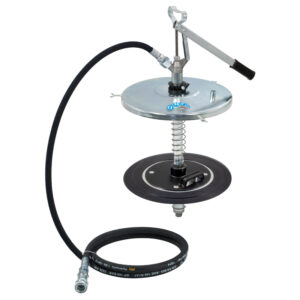
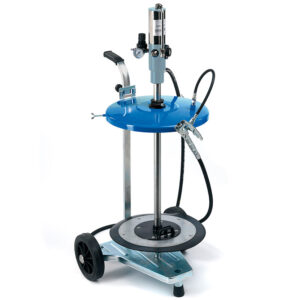
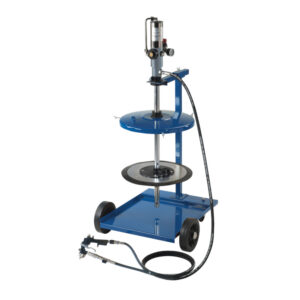
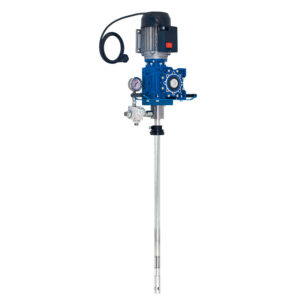
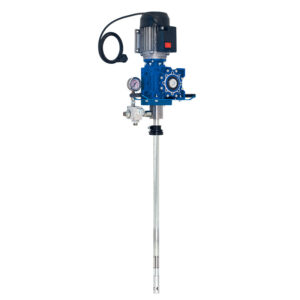
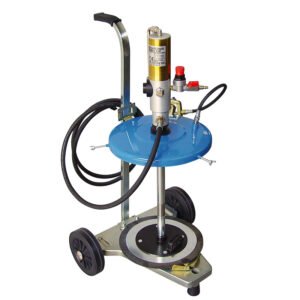
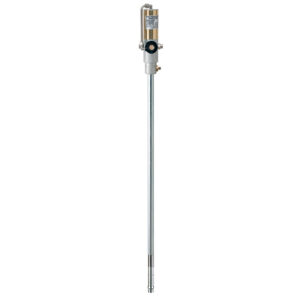
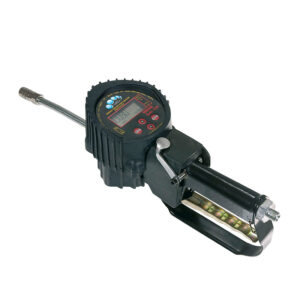
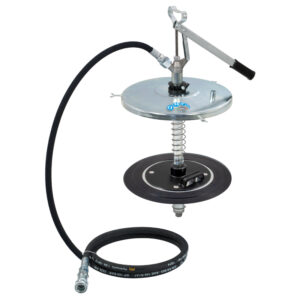
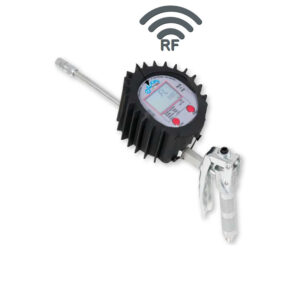
Grease pumps are mechanical devices used to deliver high-viscosity lubricants under pressure in industrial, automotive, or workshop environments. They are essential for ensuring precise grease flow in maintenance, machinery lubrication, and equipment servicing tasks. Common variants include grease dispensing systems, pneumatic grease guns, electric grease pumps, and high-pressure lubrication equipment.
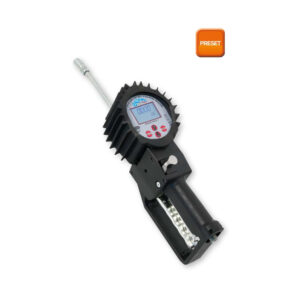
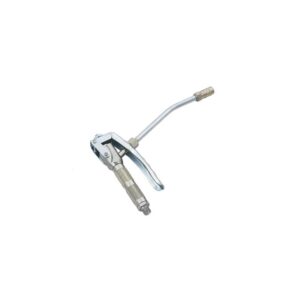
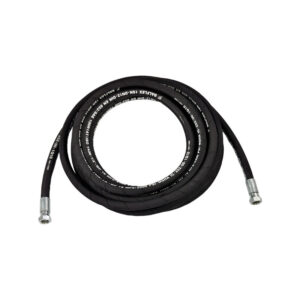
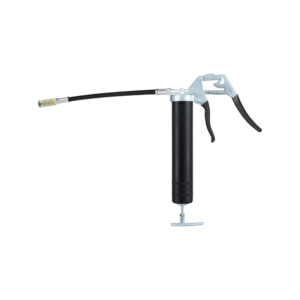
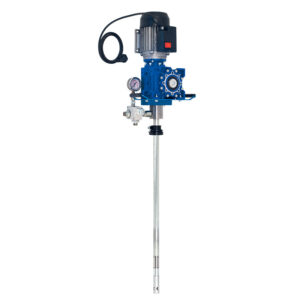
Within the grease pumps category, you will find various types of grease guns—manual, electric, air-operated (pneumatic)—designed for use with cartridges, pails, or large drums. There are heavy-duty electric pumps designed for large-capacity drums, desktop or trolley systems for mobile grease supply, as well as accessories such as control valves with rigid or flexible outlets, rubber hoses meeting SAE standards, and flow or metering tools to monitor grease delivery. Capacity, power supply, and delivery method vary among the items displayed.
These products are used across automotive repair shops, industrial maintenance, and agricultural servicing where lubrication precision and consistency are critical. Electric drum-mounted grease pumps serve high-volume applications such as fleet workshops or manufacturing plants. Pneumatic and hand-operated grease guns are used for equipment servicing, fittings, bearings, chassis and hydraulic joints. Accessories such as control valves and SAE 100 R2AT hoses help in custom setups or retrofit lubrication circuits. They are part of broader lubrication equipment and grease delivery systems.
Grease pumps are designed to overcome resistance in lubrication circuits and deliver grease at controlled pressure and flow rate. Key technical characteristics include working pressure (often measured in bar), flow rate (grams or millilitres per minute), power source (electric voltage or pneumatic supply), capacity of the grease reservoir (e.g., cartridges, pails, drums), hose diameter, and outlet style (rigid or flexible). For example, an electric grease pump for a 180-kg drum may deliver up to 1,200 g/min at 200-bar pressure under 400 V supply. A pneumatic grease gun might offer stroke-dependent supply, such as approximately 4 g per stroke, and pressures around 260 bar. Accessories may comply with SAE standard 100 R2AT for hoses, and working pressures up to 800 bar for control valves. Industrial applications require consideration of ambient temperature range, grease type compatibility (thick-based, lithium, etc.), pressure and flow matching to equipment lubrication points, and material durability (hose reinforcement, seal resistance). Safety certifications like CE marking are relevant when pumps or accessories operate under high pressure.
MEMIDOS is a global B2B platform specialising in industrial equipment, providing access to grease pumps and lubrication devices directly from verified manufacturers. By cutting out intermediaries, MEMIDOS ensures more transparent and efficient procurement with competitive pricing. Payments are handled via secure, escrow-based systems, where funds are held until order conditions such as shipment are fulfilled, safeguarding both buyers and suppliers. Industrial purchasers benefit from reliable sourcing of high-quality grease pumps and accessories, simplified international transactions, and full visibility into specifications and supplier credentials.
English
Български (Bulgarian)
Hrvatski (Croatian)
Čeština (Czech)
Dansk (Danish)
Nederlands (Dutch)
Suomi (Finnish)
Français (French)
Deutsch (German)
Ελληνικά (Greek)
Magyar (Hungarian)
Italiano (Italian)
Norsk bokmål (Norwegian Bokmål)
Polski (Polish)
Português (Portuguese (Portugal))
Română (Romanian)
Русский (Russian)
Español (Spanish)
Svenska (Swedish)
Türkçe (Turkish)